

In the Buckinghamshire volume of Nikolaus Pevsner’s “The Buildings of England” he writes “The Bedford Chapel is the richest storehouse of funeral monuments in any parish church of England.”
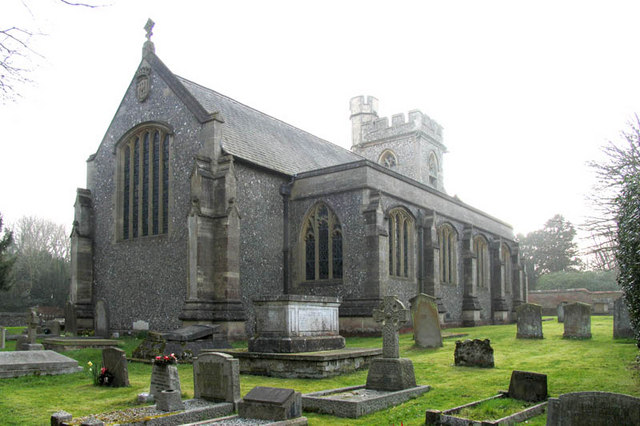
The chapel forms the whole of the north aisle of the church and is the private mausoleum of the Earls and Dukes of Bedford and their families. The chapel is not open to the public or the congregation.
Pevsner apparently had privileged access as he describes the chapel and its monument in considerable detail and his book is recommended to those seeking more detailed information. (Buckinghamshire, Pevsner Architectural Guides: Buildings of England). Pevsner, Nikolaus Published by Yale University Press, 1994 ISBN 10: 0300095848 / ISBN 13: 9780300095845).
The chapel was built in 1556 by Anne Countess of Bedford widow of Sir John Russell who was created the First Earl of Bedford. Extension westward and some rebuilding occurred in the late 19th century. The Countess built it in accordance with the provisions of her late husband’s will and a carved stone tablet, originally placed over the east window of the chapel and now sited at ground level below the window, attests to this and reads as follows:
ANNO DNI 1556
THYS CHAPPEL YS BVYLT TH ANNE
COUNTYSSE OF BEDFORDE WYFE TO
JOHN ERLE OF BEDFORD ACCORDYG TO
YE LAST WYLL OF THE SAYD ERLE
The fact that Bedford is spelt in two different ways within the same sentence reflects the less formalised spelling of the 16th century.
The chapel contains many monuments including:
- The earliest memorial is believed to be that of Sir John Cheyne and his wife dating from the 14th century. For unknown reasons the carving was not completed and his effigy is left in the rough.
- The west end chapel is dominated by an enormous monument to William 5th Earl and 1st Duke of Bedford who died in 1700 and to Anne Carr his wife.
- Lady Frances Bourchier, a grand daughter of the second Earl who died in 1612.
- Lord Arthur Russell who died in 1612. This monument is unlike any of the others, being made of bronze and exhibiting figures of courage, faith, love and truth.
- Lady Elizabeth Long of Shengay who was the wife of William 1st. Baron Russell. He died, we are told in Woburn “sitting upright in a chair, he never lay a day from his first day’s sickness to his last, nor wore so much as a night-cap”. He died in 1613.
- Francis 2nd Earl and Margaret St. John who predeceased her husband. He died in 1585 and she in 1562
- John 1st Earl of Bedford and Anne Sapcote his wife who, as Countess of Bedford, commissioned the building of the chapel.
- Two carved saints which the Royal Commission for Historic Monuments dates them as early 16th century but Pevsner disagrees and suggests late 14th century.
- Amongst the aristocratic Cheynes and Russells there is interred one commoner, with no blood relationship, a Mrs Flora Greene. She had been governess to the German Kaiser’s family at the turn of the 19th century and came later to be governess to the 12th Duke, staying later to become housekeeper/companion to the 11th Duke, whom she predeceased.
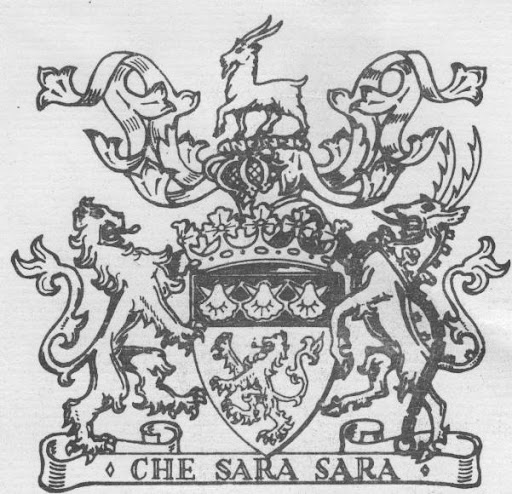
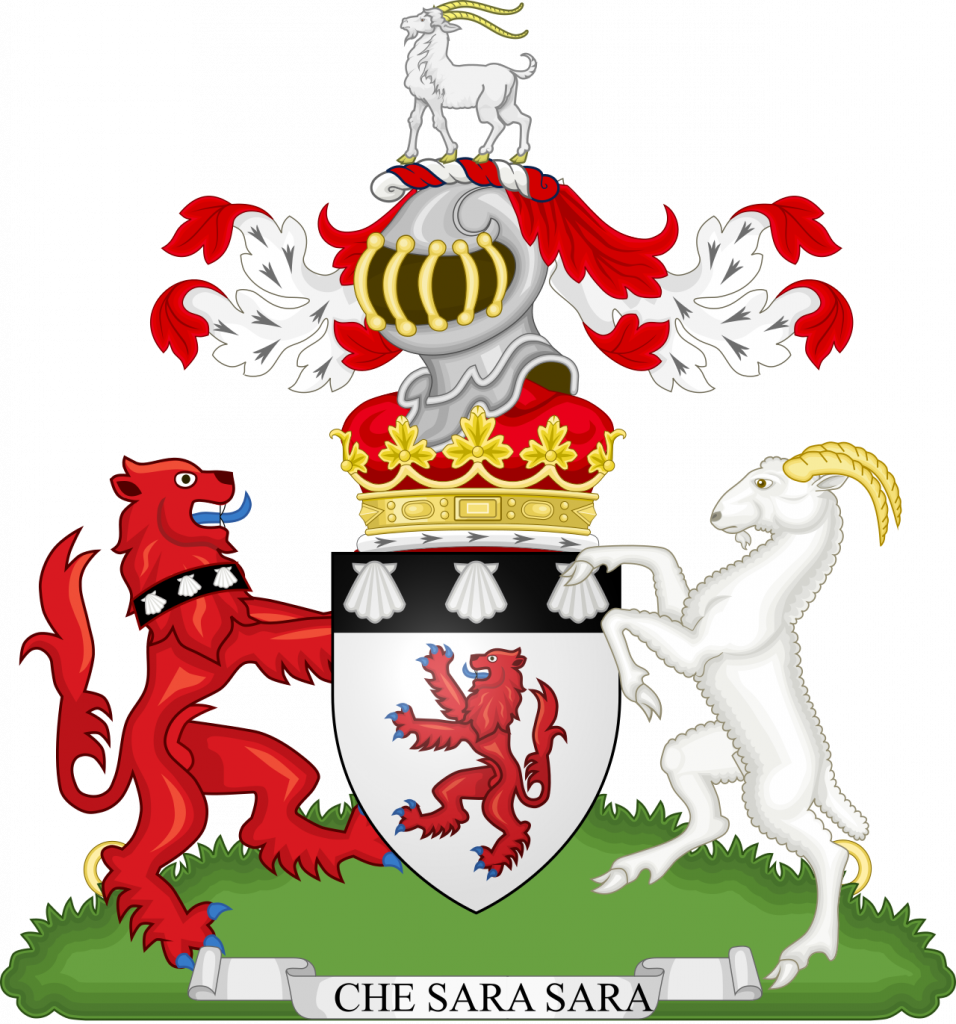
The richly coloured windows of the chapel display coats of arms of the Russell family and were made and installed in the same years and by the same company as those in the church, that is by C.E. Kempe & Co. between 1895 and 1898.
content source: Booklet: St. Michael’s Chenies; Nikolaus Pevsner’s “The Buildings of England”
contributor: Andy Homewood
date published: 01/11/25