

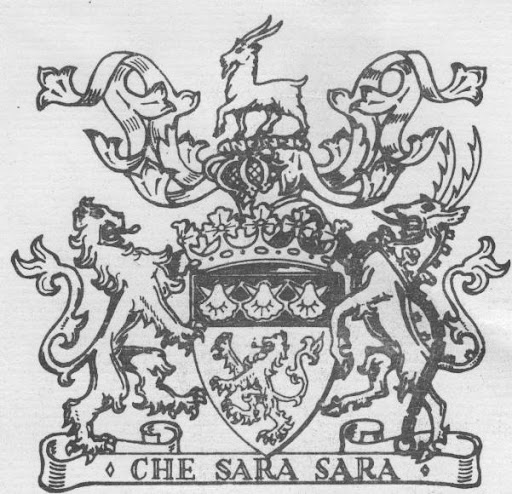
The name Chenies is thought to derive from Cheney; a family of that name once being the Lords of Chenies Manor. In 1526 however, the manor changed hands when John Russell married the heiress to the Cheney estate and became the village’s most notable personality. There followed a succession of Russells, many of whom contributed a great deal to Chenies village and the people that lived here.

The Russell Family Tree
(Click the image below to view a full size version)
Jump to:
- John Russell, 1st Earl of Bedford
- Francis Russell, 2nd Earl of Bedford
- Edward Russell, 3rd Earl of Bedford
- Francis Russell, 4th Earl of Bedford
- William Russell, 5th Earl of Bedford, 1st Duke of Bedford
- Wriothesley Russell, 2nd Duke of Bedford
- Wriothesley Russell, 3rd Duke of Bedford
- John Russell, 4th Duke of Bedford
- Francis Russell, Marquess of Tavistock
- Francis Russell, 5th Duke of Bedford
- John Russell, 6th Duke of Bedford
- Francis Russell, 7th Duke of Bedford
- Reverend Lord Wriothesley Russell
- William Russell, 8th Duke of Bedford
- Francis Charles Hastings Russell, 9th Duke of Bedford
- George William Russell, 10th Duke of Bedford
- Duchess Adeline Marie Russell
- Herbrand Arthur Russell, 11th Duke of Bedford
- Hastings William Russell, 12th Duke of Bedford
- John Ian Russell, 13th Duke of Bedford
John Russell, 1st Earl of Bedford
The Russell family can first be traced to Weymouth in Dorset, where they ran a successful wine trade with Bordeaux in France in the mid-fourteenth century. John Russell, born in c.1485 at the family’s Kingston Russell estate, was a gifted linguist as a result of his travels abroad in search of fine wine which enabled him to assist the sister of Catherine of Aragon, shipwrecked off the Dorset coast, bringing about his change in fortune.
After escorting Joanna and her husband Philip to court, John was presented to Henry VIII, who promptly made him a gentleman usher — his first step to an earldom and the great Bedford fortune.
Under Henry VIII John Russell became Lord High Admiral of England and he served both Edward VI and Queen Mary Tudor as Lord Privy Seal. By the time of his marriage to Anne Sapcote in 1526, he had been knighted, fought in wars in both France and Italy and undertaken diplomatic errands on Henry’s behalf.
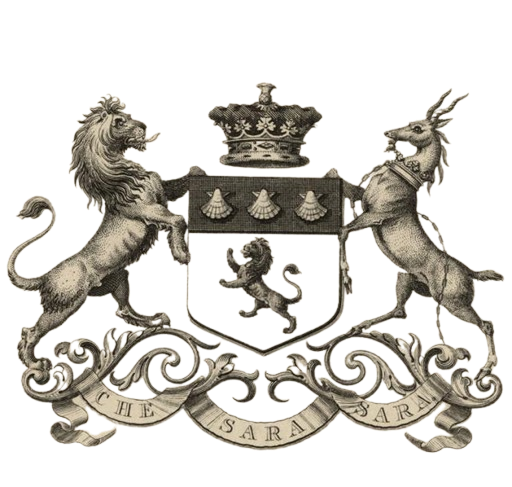
He was with Henry at the Field of the Cloth of Gold in 1520, and lost his right eye at the siege of Morlaix in 1522. He also fought bravely in the Italian War of 1521-26 and after one particularly tricky battle he is said to have adopted the motto “Che Sara Sara” (Whatever will be will be), one which the Bedford family still have today.
He was made knight marshal of the royal household, and undertook a number of secret missions on behalf of Henry VIII, including conducting negotiations with Charles, Duke of Bourbon, who was ready to betray the French king, as well as the Pope. He became a Member of Parliament for Buckingham in 1529 and was appointed the controller of the king’s household in 1537, following which he attained the status of Privy Councillor, Lord High Admiral, High Steward of the Duchy of both Cornwall and Oxford, Knight of the Garter and Keeper of the Privy Seal.
In March of 1539 he was created Baron Russell of Chenies, and in 1545 he was granted command of an army in the west of England. His close relationship with the King meant that he was one of the executors of Henry VIII’s will upon his death in 1547. He continued to serve the crown under Edward VI, and campaigned against the Devonshire rebellion of 1549, winning a decisive victory at Clyst St Mary near Exeter. He also did well out of the dissolution of the monasteries, gaining the former abbeys of Dunkeswell and Tavistock in Devon, and a number of manors held by the former Abbey of Saint Albans. Crucially, Edward VI also granted him Woburn Abbey, later to become the Russell’s main seat. In January of 1550, as a result of his unwavering support for the young Edward VI he was created Earl of Bedford.
John was one of twenty six peers who settled the crown on Lady Jane Grey upon Edward’s death in 1553. He was lucky to survive this, but Mary I did not seem to have marked him out for punishment as he was re-appointed Lord Privy Seal in November 1553, and tasked with bringing King Philip II over from Spain in order for her to marry.
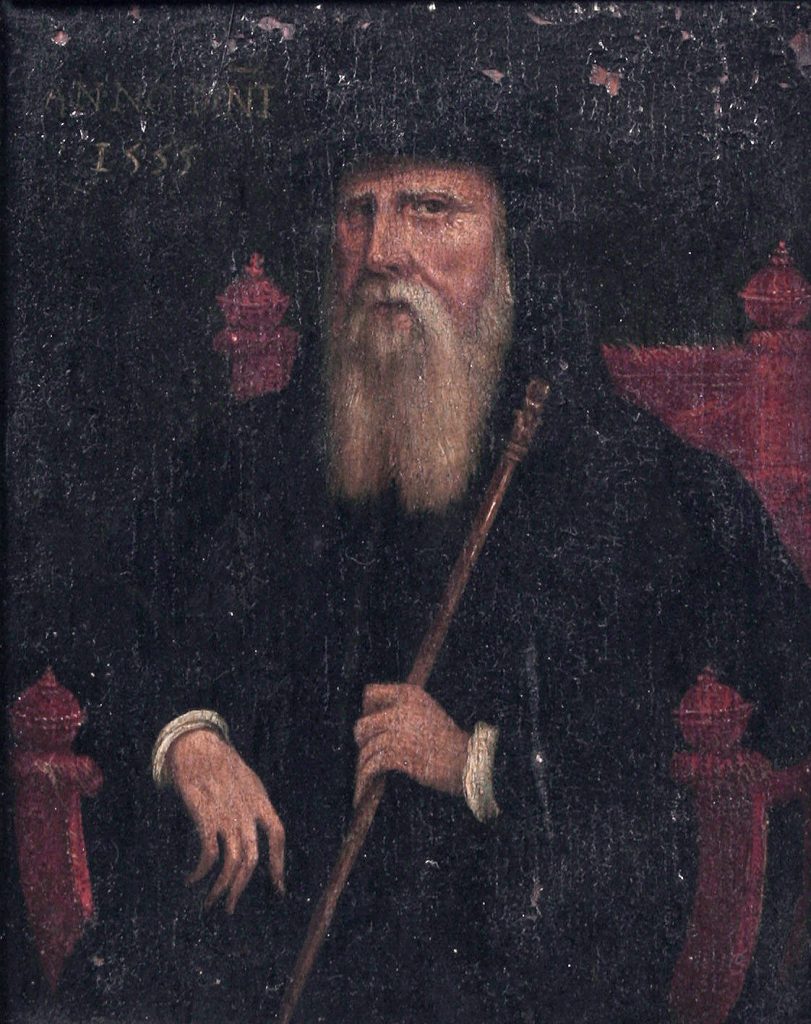
Being so highly thought of by Mary was remarkable since John’s son Francis had briefly been imprisoned by her for his religious views. It is said that his portrait shows a man who was cautious, prudent and thoughtful and this he must indeed have been to serve four Tudor monarchs and to die peacefully in his bed in 1555!
It is clear that John Russell also loved the village of Chenies. He enlarged the manor so that he could entertain Henry VIII who visited in 1534 and 1540 and he expressed the wish to be buried in the village church. Thus his widow arranged and built the Bedford Chapel in which all the subsequent Earls and Dukes have been buried up to the present time. At the same time that the manor was enlarged the village also grew and became considerably bigger than it is today, though there are still several timber-framed cottages dating from this period.
Francis Russell, 2nd Earl of Bedford
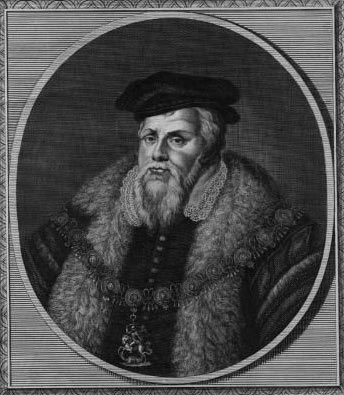
John Russell was succeeded as Earl of Bedford by his son Francis. He had campaigned alongside his father in France, and had been Member of Parliament for Buckinghamshire from 1547 to 1552. Unlike his father, he supported the reformers, as a result of which he was imprisoned during the early years of Mary’s reign, and then spent time in exile in Italy, fighting at the battle of St Quentin in 1557. Fortunately for Francis he had inherited his father’s charm and luck and he managed to regain his position and reputation at court in the latter years of Mary’s reign.
The accession of Elizabeth to the throne saw him returning to court life. He was made a privy councillor, and undertook diplomatic missions to Charles IX of France and Mary Queen of Scots. As well as continuing in his father’s political steps, he was godfather to Francis Drake. He died in London in July 1585, of gangrene. Three of his four sons predeceased him, Edward in 1572, John in July 1584 and their third son, Francis, died in July 1585 in a skirmish on the border with Scotland, just a few hours before his father. Francis was succeeded as the Earl of Bedford by his grandson, Edward Russell.
Edward Russell, 3rd Earl of Bedford
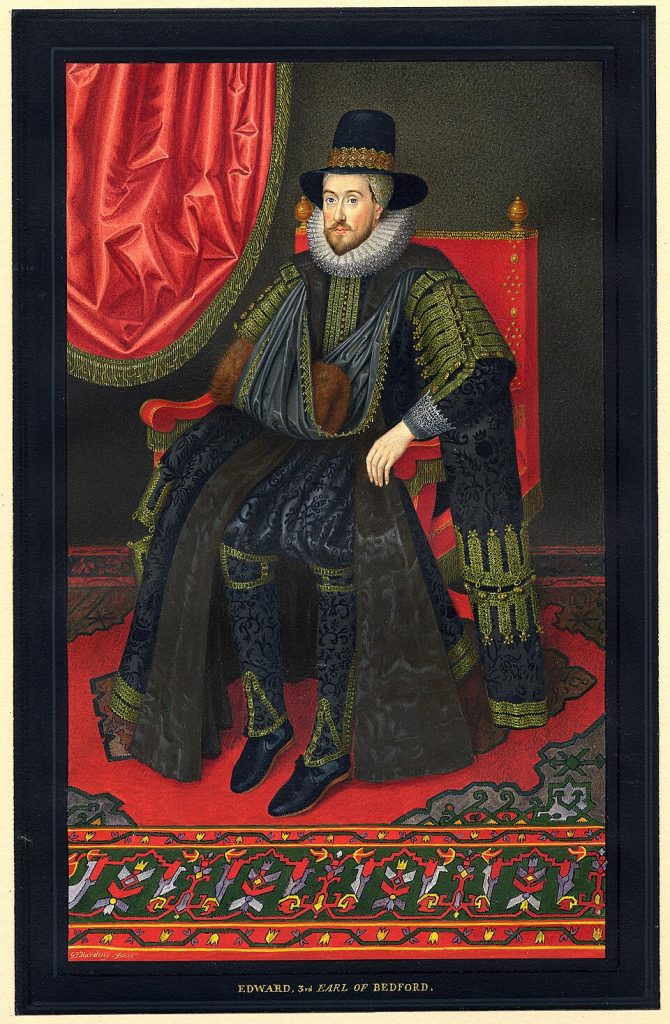
Edward was the only son of Francis Russell, third son of the 2nd Earl, and was just twelve when he inherited the title. He was foolish enough to join the Earl of Essex in his rebellion of 1601 against Queen Elizabeth I and was fined £10,000 and briefly imprisoned, though he was lucky – Essex lost his head. His wife, Lucy Harington, joined him and amongst her visitors was the poet and author John Donne.
It was Edward who seems to have started a fashion for Bedford men to marry especially feisty women. He was 22 and she just 13 when they married in 1594 and even at that young age she already had a reputation for getting her way. For the next few years they were the golden couple at Queen Elizabeth’s court until Edward’s rebellious mistake, which virtually bankrupted them. With the accession of James I to the throne however, the Countess raced to be the first lady to greet the new Queen Anne at Berwick, and thus was made Lady of the Bedchamber. This marked a change in the Russell’s fortunes and Chenies was once more occupied.
She also became patron to some of the greatest writers, poets, artists and architects of the day, including John Donne, but also Ben Jonson, George Chapman and Inigo Jones. More works of poetry and drama were dedicated to or inspired by Lucy Russell than any women living in her day, including the Queen, and Lucy often appeared in the court masques that were so popular in James’ court, occasionally, it was reported, topless. Even a severe bout of smallpox that blinded her in one eye did not stop her posing for portraits.
Sadly a horseback riding accident in 1612 had left Edward partially paralyzed and with impaired speech so he slipped away from court life and wore a sling for the rest of his life, living at Chenies Manor whilst Lucy held court in her Twickenham house.
Unfortunately, Edward & Lucy’s extravagant lifestyle led to some steep debts: Lucy alone owed £50,000, about £9.5 million in today’s money. In 1617, they downsized to the family estate at Moor Park in an attempt to consolidate their finances. They died within a few weeks of each other in May 1627, having managed to spend their entire fortune.
Francis Russell, 4th Earl of Bedford
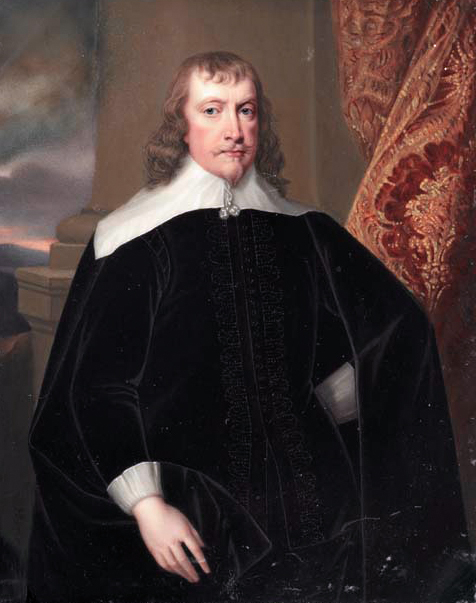
Edward had no children, and so the title passed to Francis Russell, another grandson of the 2nd Earl. Knighted in 1607, Francis and his family quit Chenies for good in 1608, eventually settling at the family’s Woburn seat and leaving the Chenies estate in the hands of a steward. This decision would lead to the slow deterioration of the estate including the manor house and church.
Francis succeeded his father as Baron Russell of Thornhaugh in 1613, and was Lord Lieutenant of Devon from 1623 until his death. In 1630 he began the work of draining the fens in Cambridgeshire, Huntingdonshire, Lincolnshire, Norfolk and Northamptonshire. It is for this reason that parts of The Fens are still known as the Bedford Levels. The project faced opposition from the Fen folk who saw the drainage scheme as removing their way of life which often manifested in the blocking or infilling of the newly cut drains, increasing both the length of time and cost of the works. By 1838, the King took the work into his own hands.
Francis, however, became heavily involved in the growing conflict between King and Parliament. He was a key opponent to the King at the Short Parliament held in April 1640. He was made a privy councillor to Charles I in 1641 but died of smallpox in the midst of the parliamentary struggle on 9th May that year and was duly buried at Chenies. He was succeeded by his son William.
William Russell, 5th Earl of Bedford, 1st Duke of Bedford
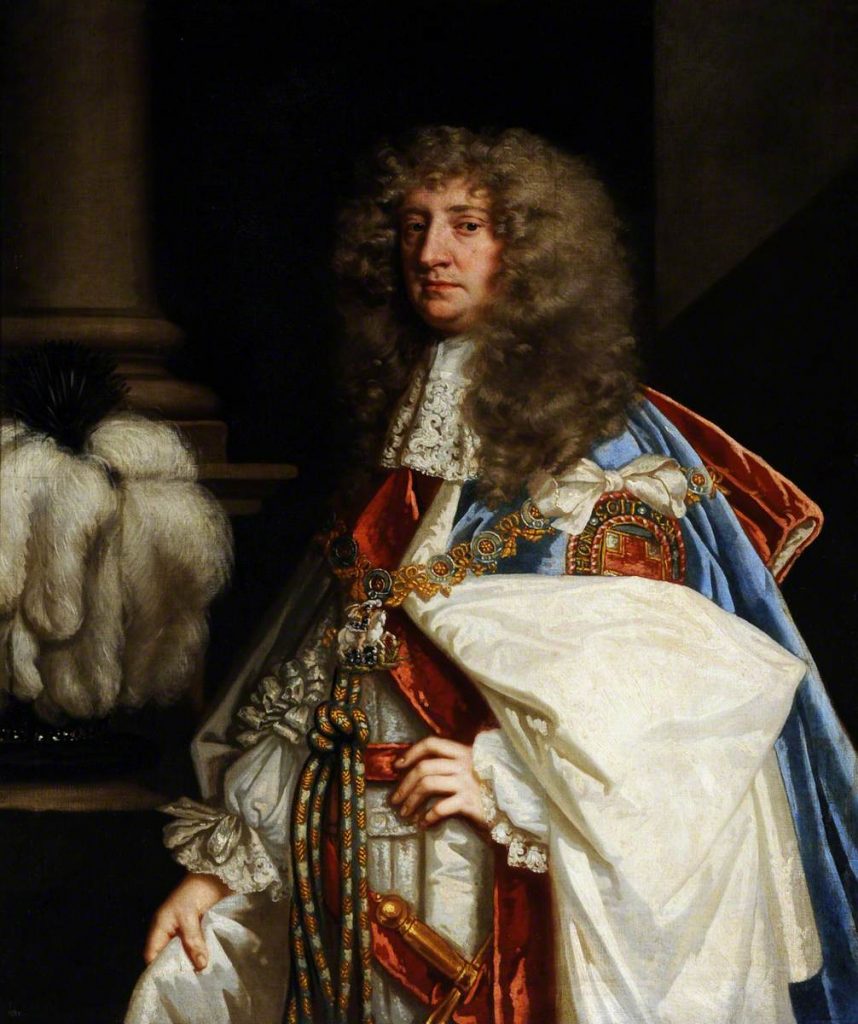
William fought first on the side of the Parliament and then on that of the King during the Civil War between 1642-1646. In 1642 he was made General of the Horse and was present at the first major battle, Edgehill, on 23rd October. His was not a particularly distinguished position as the Parliamentary cavalry at this stage of the war was dismissed as containing “decayed serving men and tapsters” and usually came up short in its clashes with the Royalist cavalry. He led a campaign in the West Country in 1642 against the Marquess of Hertford and, despite outnumbering his opponent found many of his troops deserting and had to return without success, for which he received criticism.
During this time Chenies Manor was garrisoned by the Parliamentarian forces and the Medieval undercroft may have served as a prison, as some of the graffiti inscribed on its walls is thought likely to relate to this period.
William married Anne Carr, in 1637. She had been born in the Tower of London where her mother, the Countess of Essex, was imprisoned in the Tower of London.
In 1643 the Earl sought to mediate between King and Parliament. That year saw a number of military successes for the King in the West Country and he was in no mood for peace. William then changed sides, joining the King and fighting at the siege of Gloucester and the indecisive First Battle of Newbury in September. Despite this the Earl changed sides again in December 1643, probably because the King’s commanders were wary of his allegiances. However, he had now alienated Parliament and he was not allowed to take his seat in the House of Lords.
Disillusioned, he concentrated on the management of his recovered estate and in 1649 became involved in the renewed project started by his father to drain the fens, much of which had been damaged during the Civil War. A new organisation was created to maintain the drainage system, named the Bedford Level Corporation, with William as the first governor. The project continued to face difficulties however, and by the end of the 17th century peat shrinkage and flooding were a constant battle, one which continues to the present day.
The earl took an active part in the Restoration and carried the sceptre at Charles’ coronation. In 1683 however William’s son, Lord William Russell, became a martyr for the Protestant cause after he was executed for his alleged involvement with the Rye House plot, a conspiracy to assassinate King Charles II and his brother to prevent a Catholic succession. William subsequently retired from politics, but rose to prominence once again under King William and Queen Mary, carrying the sceptre of the Queen at her coronation in 1689.
On 11th May 1694, as compensation for the death of his son, he was created both Marquess of Tavistock and the 1st Duke of Bedford because he was “father to the Lord Russell, the ornament of his age, whose great merit it was not enough to transmit by history to posterity”.
The Duke died at Bedford House in September 1700 and was buried in Chenies.
Wriothesley Russell, 2nd Duke of Bedford
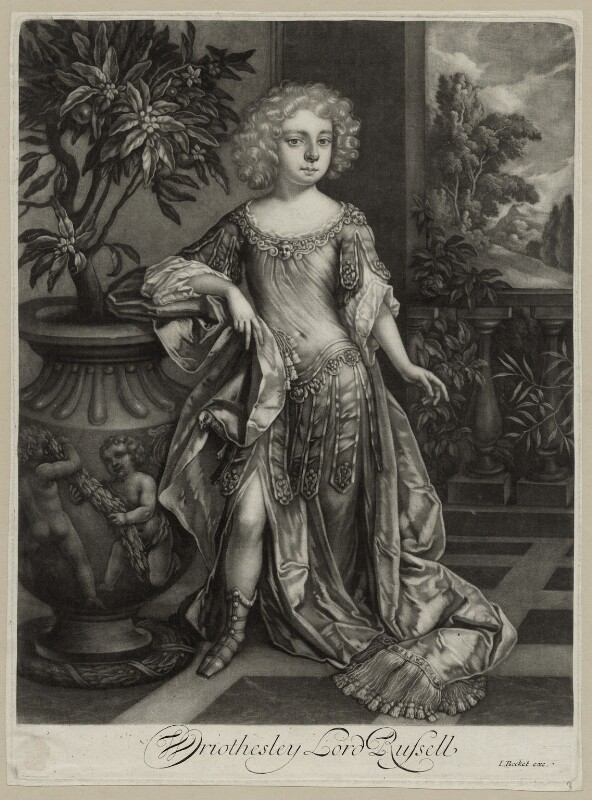
The 1st Duke of Bedford was succeeded by his grandson Wriothesley, son of the executed and disgraced William. He was born on 1st November 1680 and so was just three when his father was executed. He attended Magdalene College, Oxford.
Wriothesley was made Gentleman of the Bedchamber in 1701 and was Lord Lieutenant of Bedfordshire, Cambridgeshire and Middlesex from that year until his death. Like his father he was a Whig. He married Elizabeth Howland when he was just fourteen and she was twelve or thirteen. To mark the occasion his grandfather was given the title Baron Howland, a title which is still held by the son of the Marquess of Tavistock before he becomes Duke of Bedford.
The 2nd Duke did not long enjoy his honours. He died of smallpox on 26th May 1711 aged just 30. He was buried in Chenies on 30th May. His widow also died of smallpox, on 29th July 1724, aged 42. He had two sons who died as infants, both called William. He was succeeded by his eldest son, another Wriothesley.
Wriothesley Russell, 3rd Duke of Bedford
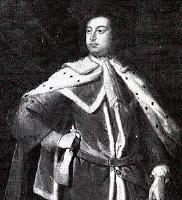
Wriothesley, the third son of the 2nd Duke was born on 25th May 1708. He was three years old when he succeeded to the title. As an adult he was, like his father and grandfather, a Whig. His marriage to Anne Egerton, in 1725, was considered by some to be an unhappy one, and made purely for show. His widow certainly married quickly after his untimely death in Spain in 1732, aged just 24, going on to become an ancestor of Diana Princess of Wales. Wriothesley was buried in Chenies on 14th December. With no heirs, the title passed to his brother, John. By this time, the estate at Chenies was beginning to fall into neglect.
John Russell, 4th Duke of Bedford
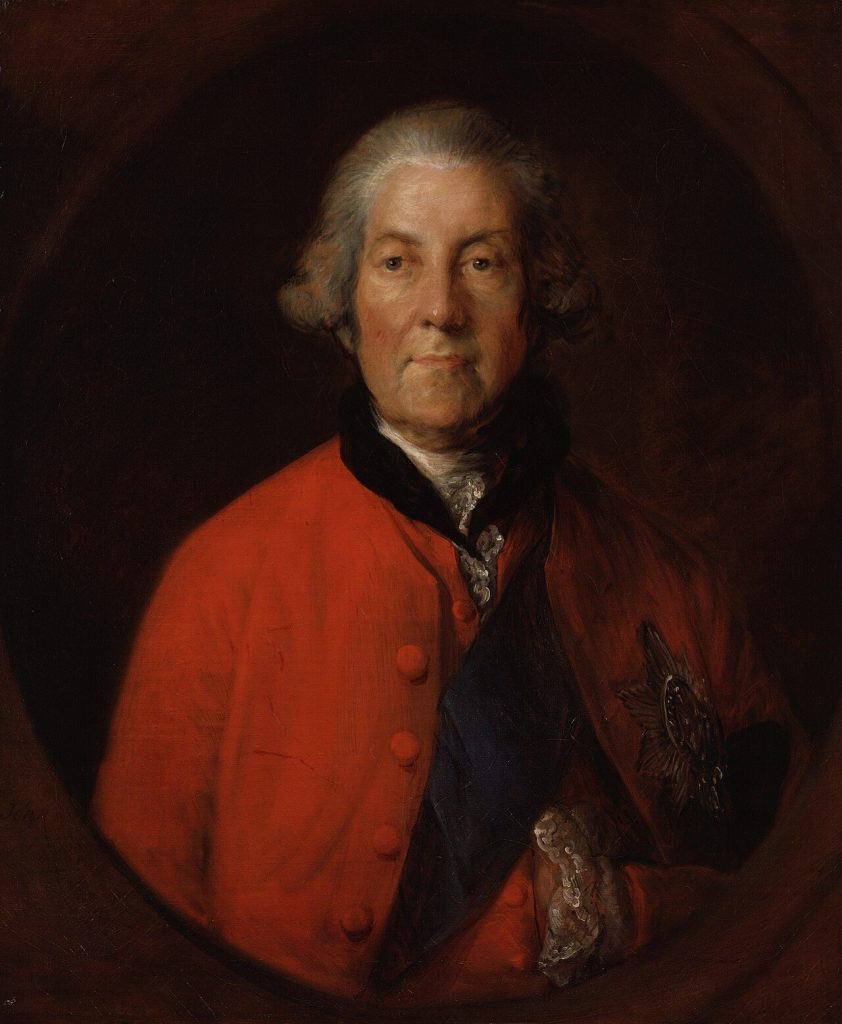
John was born on 30th September 1710. Like his namesake, he accumulated many political appointments including First Lord of the Admiralty, Privy Councillor and Lord Justice. He was also Lord Lieutenant of Bedfordshire from 1745 and Devon from 1751 until his death, and of Ireland between 1756-1761. He was made a major-general in 1755 and lieutenant-general in 1759. From 1747 until his death he was President of the Foundling Hospital, and in 1762 and 1763 served as ambassador to France.
Like all his family he was a Whig and an opponent of Robert Walpole, prime-minister from 1722 to 1742 and leader of a faction of the party known as the Bedford Whigs or Bloomsburg Gang. Walpole’s son, Horace, described the Duke in this way:
“He was a man of inflexible honesty and goodwill to his country: his great economy was called avarice; if it was so, it was blended with more generosity and goodness than that passion will commonly unite with. His parts were certainly far from shining, and yet he spoke readily, and, upon trade, well: his foible was speaking upon every subject, and imagining he understood it, as he must have done, by inspiration. He was always governed; generally by the duchess, though unmeasurably obstinate, when once he had formed or had an opinion instilled into him … If he could have thought less well of himself, the world would probably have thought better of him”.
The duke married his cousin Diana in 1731. She died of consumption in 1735 aged just 25. His second wife was Gertrude, daughter of John, 1st Earl Gower. She was described by Lord Charlemont as: “the most artful and dangerous of women” of whom he was “almost afraid to speak”!
The duke died at Bedford House in January 1771, and was buried in Chenies.
Francis Russell, Marquess of Tavistock
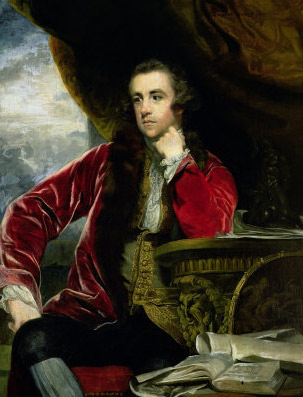
John’s only surviving son, Francis, was ambitious and intelligent, and with an established family name in the political sphere, upon his graduation from Cambridge, he won his first parliamentary seat aged just 20. Two years later he assumed a place in Westminster, serving as Member of Parliament for Bedfordshire until his death six years later.
Russell’s first love was for Lady Pembroke, but as she was married he instead wed Lady Elizabeth Keppel. The couple had three sons within three years and seemed to live a charmed life that was unfortunately shattered by tragedy in early 1767. Whilst out hunting in the land surrounding his home at Houghton House, the Marquess fell from his horse and his skull fractured by a kick from the animal, and Russell died aged just 27. Within twelve months, Elizabeth also died, this time from consumption during a visit to Lisbon. Elizabeth’s body was brought home to England so that she could be interred beside her husband at Chenies.
His father’s title was first inherited by his eldest son, Francis before it passed to his brother, John. His youngest son, Lord William Russell was the father of Eliza Russell, who would later go on to marry Lord Wriothesley Russell, John’s son and the much loved Rector of St Michael’s Church in Chenies (see below). Lord William was, like the rest of his family, a member of parliament and was murdered in his sleep by his valet in 1840 who was attempting to cover up the discovery of his thefts.
Francis Russell, 5th Duke of Bedford

Francis was born on 23rd July 1765, two years before his father’s fall and subsequent death. He was educated at Westminster School, succeeding to the dukedom at the age of five. A Whig, like all his family, he spent nearly two years travelling abroad, during which time he was involved in a menage a trois with the Viscount and Viscountess Maynard.
Francis was greatly interested in agriculture. He established a model farm at Woburn, and made experiments with regard to the breeding of sheep. In 1795, when the government levied a tax on hair powder, as a form of protest Francis abandoned the powdered and tied hairstyle commonly worn in that era in favour of a cropped, unpowdered style. This new style became known as the “Bedford Level”, a pun on the area of The Fens reclaimed by the family as well as referring to Bedford’s radical political views. It was also known as the “Bedford Crop”. Although natural, the Bedford crop was usually styled with wax.
Francis died unmarried at Woburn Abbey after a fortnight’s illness, having delayed an operation for a hernia for too long, on 2nd March 1802, aged 36. He was succeeded by his brother, John.
John Russell, 6th Duke of Bedford
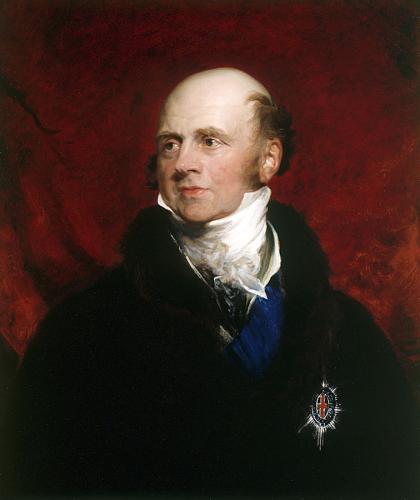
John was born on 6th July 1766. He served as ensign in the 3rd Foot Guards from 1783 to 1785 and was Whig Member of Parliament for Tavistock from 1788 to 1802 when he became duke. He became strongly opposed to the Peninsular War, believing that it neither could nor should be won, and along with his son, funded many anti-war publications.
John’s first marriage was to Georgina Byng, with whom he had three sons. After Georgiana’s early death in October 1801, John married Lady Georgiana Gordon, with whom he went on to have ten more children, the first of which was Lord Wriothesley Russell. The duke died in Scotland on 20th October 1839, aged 73 and was buried at Chenies.
Francis Russell, 7th Duke of Bedford
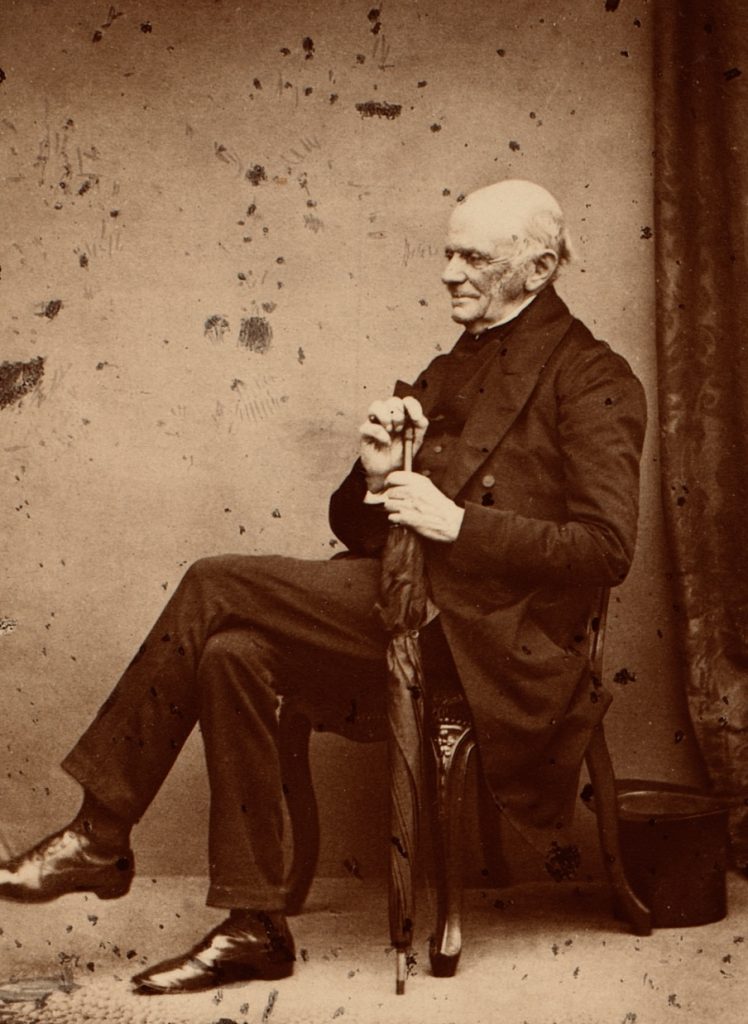
The first son of John Russell by his first wife, Francis was born on 13th May 1788 and educated at Westminster School and Trinity College, Cambridge. He was Whig Member of Parliament and became both a privy councillor and a Lord Lieutenant.
Unlike the previous Dukes, Francis paid great attention to his estates and was particularly keen to look after the interest of his tenants. He is chiefly remembered today for creating the Bedford Estate houses which so dominate many villages that were part of his estates, including many in Chenies. These were a huge advance on the cottages in which most of the estate tenants had lived until that time, being warm and well built from brick and having separate bedrooms for parents and children rather than a communal bed space in the attics of small, cold, half-timbered cottages. The rents were below market value and generous gardens meant that the occupiers could grow their own produce.
In 1845 Francis also instructed an Infant School to be built in Chenies, at what is now known as No. 49 Chenies (Field Cottage). Like many other houses in the village it carries a Bedford crown along with the date of it’s construction. Francis is also known for the building of the Bedford Arms in 1860.
The duke married Anna Stanhope in 1808. Anna, who was a Lady of the Bedchamber and lifelong friend to Queen Victoria is considered to have invented the custom of taking afternoon tea according to the British Museum, although this claim is contested. Anna was dismissed as Lady of the Bedchamber following the Lady Hastings scandal. Five years older than her husband, she died in 1857. The duke died at Woburn Abbey on 14th May 1861, the day after his 73rd birthday, and was buried at Chenies.
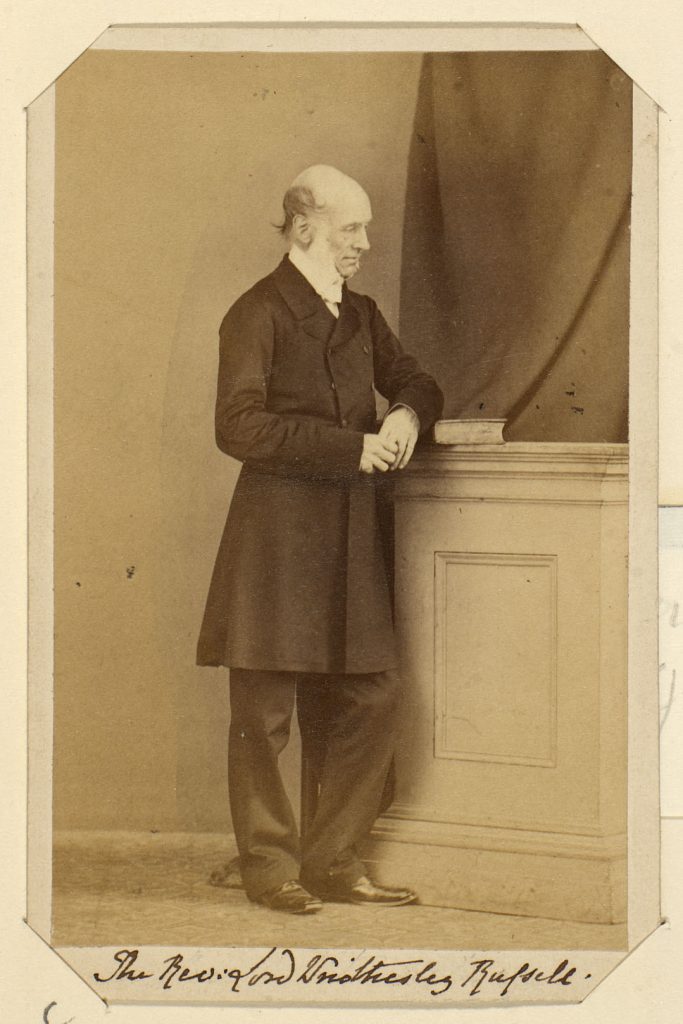
Reverend Lord Wriothesley Russell
A younger son of the 6th Duke, and a personality whose memory is still treasured in the village is the Reverend Lord Wriothesley Russell, born in 1804. He came to be Rector of Chenies in 1829, when he was 25 years old and stayed until his death in 1886. Although offered high office in the Church he refused to leave his village flock. In the days before his stepbrother Francis built his school he taught the village children to read and write in the Rectory kitchen, and it is recorded that he refused to have a new carpet in his study as the men would not like to walk on it in their boots.
The affection in which he was held is attested to by the lovely illuminated address, with its charming watercolour scenes, which still hangs in the church. This address was presented to the Rector by the villagers to mark his 50th anniversary as their priest. On each side of the address may be seen the signatures of the donors -said to include the whole village. It is interesting that some of these names are still to be found either in the village or the surrounding area. In addition, Miss Forbes presented him with a gold watch on behalf of the school for young ladies, located at Woodside House.
William Russell, 8th Duke of Bedford
The only child of the 7th Duke, William was born at Grosvenor Square, London, on 1st July 1809. He was educated at Eton and Christ Church College, Oxford and served as Liberal Member of Parliament for Tavistock from 1832 to 1841. He died unmarried on 27th May 1872, aged 62, and the title was transferred to his cousin Francis. His death was sudden, taking place in the front hall of 6 Belgrave Square. He was buried at Chenies.
Francis Charles Hastings Russell, 9th Duke of Bedford

Known as Hastings, Francis was the son of Major-General Lord George William Russell, and was born on 16th October 1819. He entered the Scots Guards in 1838 but retired in 1844 when he married. He was Liberal Member of Parliament for Bedfordshire from 1847 to 1872 when he acceded to the dukedom on the death of his cousin and took his place in the House of Lords. In 1886, he broke with the party leadership of William Ewart Gladstone over the First Irish Home Rule Bill and became a Unionist.
The 9th Duke was very interested in agricultural developments and established the Woburn Experimental Farm. He was President of the Royal Agricultural Society in 1880, and made a Knight of the Garter that same year. From 1884 until his death he was Lord Lieutenant of Huntingdonshire.
Francis married Elizabeth Sackville-West in January 1844, and went on to have four children, two of which became Dukes in his stead. His daughter Lady Ela Russell bought Chorleywood House which she renovated and improved greatly. A keen business women and linguist who learned Chinese, she continued to run the house in her own particular way until her death in 1936 and is remembered in some Chenies residents memoirs.
Francis died in 1891, aged 71, by shooting himself as a result of insanity, as an unfortunate result of the pneumonia he was suffering from. His widow died on 22nd April 1897 at Chesham, aged 83. Both she and her husband were cremated and their ashes buried at Chenies.
George William Russell, 10th Duke of Bedford
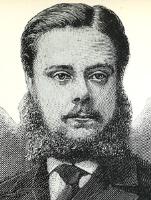
The son of the 9th Duke, George was born on 16th April 1852 at Eaton Place West, London. He was educated at Balliol College, Oxford and was Liberal Member of Parliament for Bedfordshire from 1875 to 1885 and Sheriff of Bedfordshire in 1889. He was Chairman of Bedfordshire County Council from 1892 until his death.
On 24 October 1876, George married Lady Adeline Marie Somers. They had no children, but it is known that he had at least two illegitimate children. One of his daughters lived with the pair until her father died and was then sent to live with her uncle, Herbrand Russell, and his family where she stayed untill she was married. The second child was a son with Florence Lane-Fox, daughter of Sackville Walter Lane-Fox.
In 1893, at the age of forty, he died from the complications resulting from diabetes, and was buried in the Bedford Chapel in at Chenies. His titles and estates were inherited by his younger brother Herbrand.
Adeline (see below) moved to Chenies after her husband’s death, where she continued to live until her death in 1920.
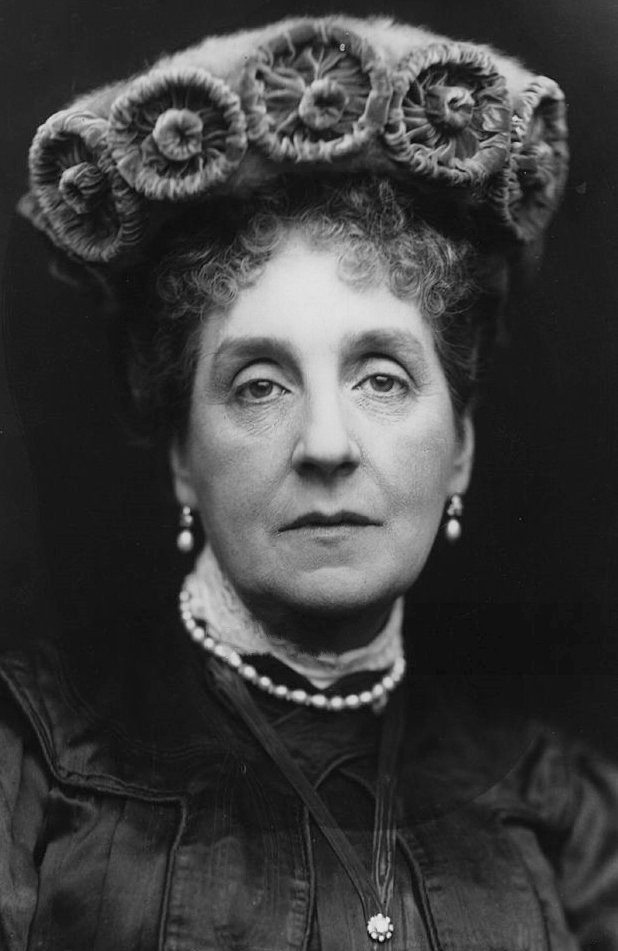
Duchess Adeline Marie Russell
Another notable Russell in Chenies was the Dowager Duchess Adeline Marie Russell. In 1876, Adeline married George Sackville Russell, and became the Duchess in 1891 when George became the 10th Duke of Bedford. George died in 1893, and the Duchess moved from Woburn to Chenies, taking up residence at Woodside House, at that time a school for young ladies.
The Duchess used the cottage as kitchens, built an extension as a chapel (now the dining-room and main bedroom of Chenies Place) and in 1894 she built a stable block and carriage house (now the Court House). Rose remembers that
‘The Dowager Duchess Adeline of Bedford lived at Woodside House and each year she presented the children of the village with something at Christmas. One year it was a red riding hood cloak for the girls and a red jersey for the boys. Another year it was boots for each child. One year I had a doll but I cannot recall if every girl had one’.
Herbrand Arthur Russell, 11th Duke of Bedford
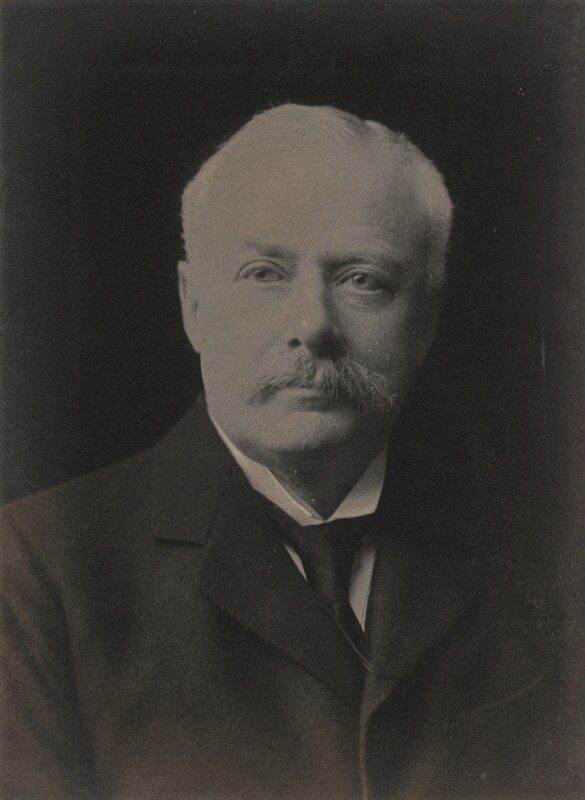
Herbrand was the brother of the 10th Duke and was born on 19th February 1858. Educated at Balliol College, Oxford, he joined the Grenadier Guards, seeing active service in Egypt in 1882. He was aide-de-camp to the Viceroy of India in 1885 and 1886 and Lord lieutenant of Middlesex from 1898. He was also the longest serving Chairman of Bedfordshire County Council, from 1895 to 1927.
The Duke had a keen interest in natural history and was instrumental in saving the Père David Deer, which was extinct in its native China, by buying pairs from European zoos, bringing them back to Woburn and breeding them in the Park. He had other exotic animals including a North American bison called Bill. In the 1890s he was responsible for the import of a number of North American grey squirrels which he introduced to Woburn Park, which went on to almost entirely wipe out the native red squirrel in most of the country.
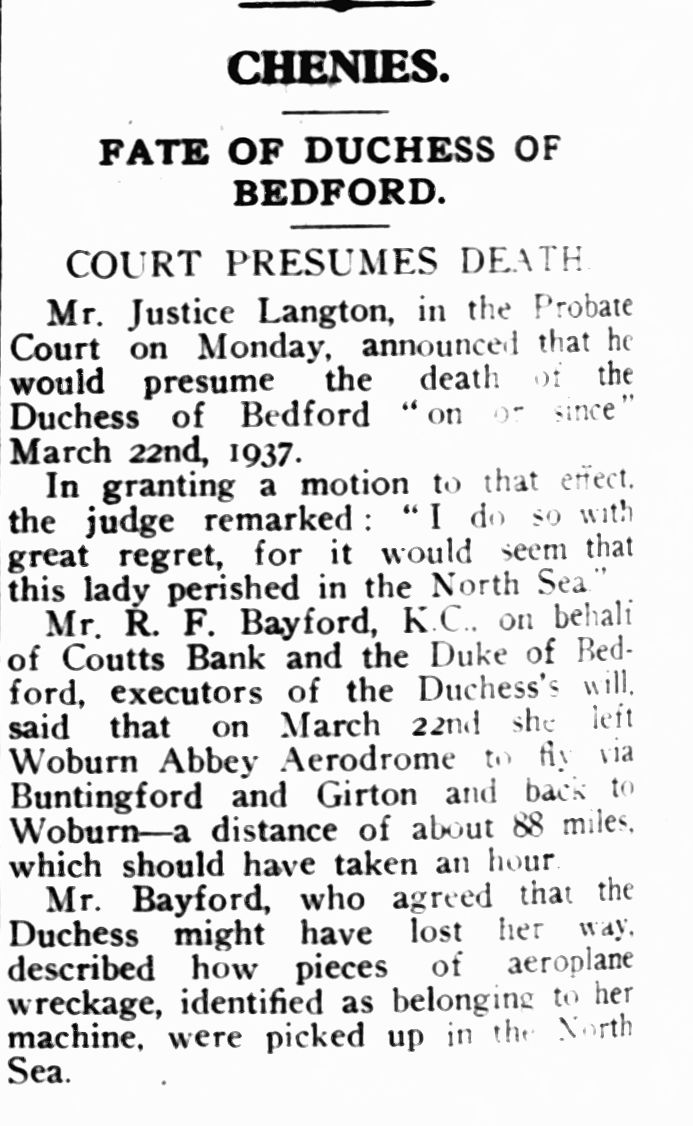
Herbrand married Mary du Caurroy, daughter of the Archdeacon of Lahore, on 31st January 1888. She was renowned as the Flying Duchess and was an active suffragette. She suffered from tinnitus and became interested in aviation later in life, which she claimed gave her some relief from the noise in her ears. Captain Barnard was her personal instructor and together they together broke several major aviation records. Fred Smith remembers:
“In 1928 the Duchess of Bedford and Captain Barnard, in the Gypsy Moth, used to land on Little Green Street Farm field. One day they were going up the field as my father came down in the cart on the other side. It would have made a nice picture”.
In 1929, aged 64, she and two crew flew from England to Karachi in modern Pakistan, a journey of 10,000 miles, then flew back to England, the round trip taking eight days. The following year she flew from London to Cape Town with a co-pilot, taking one hundred hours spread over ten days.
On the 22nd March 1937 she took off from Woburn Abbey but never returned. It is assumed that she crashed in the North Sea somewhere off Great Yarmouth, and her body was never found. She was 71.
Herbrand’s grandson, Ian, described him rather harshly as ‘A selfish, forbidding man, with a highly developed sense of public duty and ducal responsibility, he lived a cold, aloof existence, isolated from the outside world by a mass of servants, sycophants and an eleven-mile wall‘.
The Duke died on 27th August 1940, aged 82. He had been president of the Cremation Society of Great Britain since 1921 so it is appropriate that he was himself cremated, at Golders Green Crematorium.
Hastings William Russell, 12th Duke of Bedford
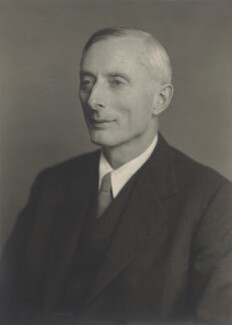
The son of the 11th Duke, Hastings was born on 21st December 1888 and educated at Eton and at Balliol College, Oxford. He was a committed pacifist between the wars, not seeing action in World War One due to his bad health, and was known for both his career as a naturalist and for his involvement in British far-right politics.
As a naturalist Hastings arranged a 1906 expedition to Shaanxi, China to collect zoological specimens for the British Museum, and closely involved in his father’s efforts to preserve the Père David’s deer. He was also an ornithologist, specialising in parrots and budgerigars, to whom he would feed chocolates, and had a pet spider to whom he would regularly feed roast beef and Yorkshire pudding.
As a politician, Hastings was co-founder of the British People’s Party, and wrote letters expressing his admiration for Hitler, ending up on a suspect list of MI5. Hastings campaigned for the release of John Beckett, a fascist and anti-semite imprisoned in 1940 for his extremist views, later allowing him and his mistress to live in a Chenies cottage. Hastings himself increasingly espoused anti-semitic and pro-nazi views, and holocaust denial.
Hastings was also a committed Christian and vegetarian, described as an ‘austere man who detested alcohol, tobacco and gambling’. In the 1930s he was sued by his wife for the “restoration of conjugal rights” after the pair became estranged during which she described him as ‘the most cold, mean and conceited person‘ she had ever met.
Following his death, these sentiments were largely echoed by his eldest son, Ian, who shared none of his father’s political views and had a difficult relationship with him. He said “my father was the loneliest man I ever knew, incapable of giving or receiving love, utterly self-centred and opinionated. He loved birds, animals, peace, monetary reform, the park and religion. He also had a wife and three children“.
Despite his controversial political leanings and character, the Duke was well loved in Chenies, and the village thrived under his protection. He fought to ensure the village remained ‘a model village’. When electric light was introduced to the village in 1932 he ensured the cables were buried in order to preserve the character of the village as much as possible.
The Duke died on 9th October 1953, aged 64, as the result of a shooting accident whilst hunting on his Devon estates. The death is recorded as accidental, though his elder son implied it may have been self-inflicted.
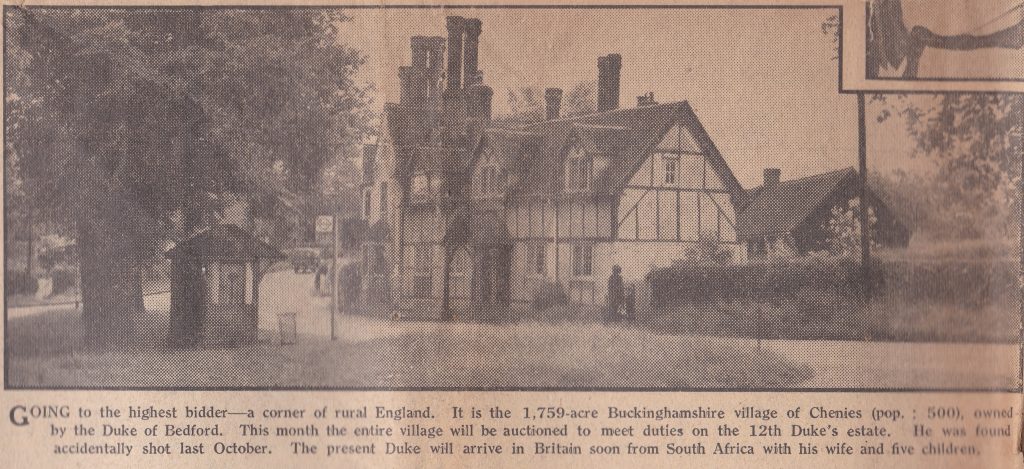
In 1954, John Ian Russell was forced to sell Chenies estate in order to pay his father’s death duties, bringing to a close the Russell family’s long tenure of the estate. However, the family still show an interest in the affairs of the village and it is still in the Bedford Chapel at St Michael’s church that the Dukes are laid to rest among their ancestors.
John Ian Russell, 13th Duke of Bedford
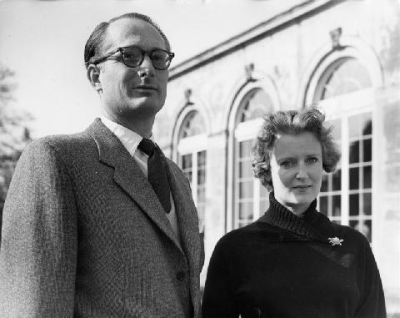
Despite selling the estate in 1954, John Ian still had a presence in Chenies village that is remembered today. Born on the 24th May 1917 he joined the Coldstream Guards and saw active service in 1939 and 1940 before being invalided out with ill health.
The duke married his first wife, Clare in 1939. She died in 1945. His second wife in 1947 was Lydia Lyle, and the couple were given Chenies House as a wedding present. ‘It was quite a handsome old Georgian house and we were delighted‘. Chenies House had a little cottage (The Lodge) into which they moved with the children while they drew up plans to have the house modernised. Joy Atkins remembers this in her audio memoirs:
“But I can remember a period of time when the Marquess of Tavistock lived in there (The Lodge) with their children and some ponies were kept up at the Manor House. And they used to go up and, and ride them there.”
Unfortunately it was discovered that Chenies House was riddled with dry rot and the only possibility was to pull the house down. Shortly afterwards the Marquess relocated to South Africa, and on the occasion of the 12th Dukes death in 1954 the house was sold along with the rest of the estate. The Lodge still bears a blue plaque on the south-facing wall revealing that the building was home to the Marquess of Tavistock from 1947-1948 before he became the 13th Duke of Bedford.
Life in the village must have continued with little change for many years. The men worked on the estate farms and woodlands. Dodd’s Mill, at one time a paper mill, functioned as a corn mill until 50 years or so ago and watercress was and is still grown in spring water near the Chess.
The larger houses in the area provided work for both men and women. The village blacksmith shod horses and repaired farm machinery. Bread was baked locally and the necessities of life could be bought in the village shops. With mechanisation, however, came change. Young people were forced to seek employment in nearby towns. Buses and cars took people to more urban areas to shop at more competitive prices and so the local shops closed, the last being the post office in 1975.
content sources:
Article written by members of the Buckinghamshire Federation of Women’s Institutes for the publication “The Buckinghamshire Village Book” (1987) and reproduced here with their permission
Personal Recollections of Lord Wriothesley Russell and Chenies, by F.W.B Dunne. Published by Elliot Stock, London, 1888
Further edits sourced from Wessex archaeology (January 2005). “Chenies Manor, Chenies, buckinghamshire: An archaeological excavation of a tudor manor house and an assessment of the results” (PDF). Archived from the original (PDF) on 16 January 2016. Retrieved 2 Dec 2025.
The key to wealth for early modern provincial elites, by Linda Rolitt
Mad, Bad & Fascinating to Know – the Colourful Ancestors of the Dukes of Bedford, by Dr Geri Parlby
contributor: Andy Homewood, Rachel Bishop date published: 24/11/2025