

Fred Smith was born at Little Green Street Farm in 1904. Despite his regret at not keeping a diary, his written letters to Joy Atkins provide a fascinating and rich tapestry of life in Chenies at the beginning of the 20th Century. Fred also walked around the village with author J W Howie, talking through his memories of each of the buildings. The resulting publication from 1973 gives us a snapshot of life in the village during Fred’s childhood.
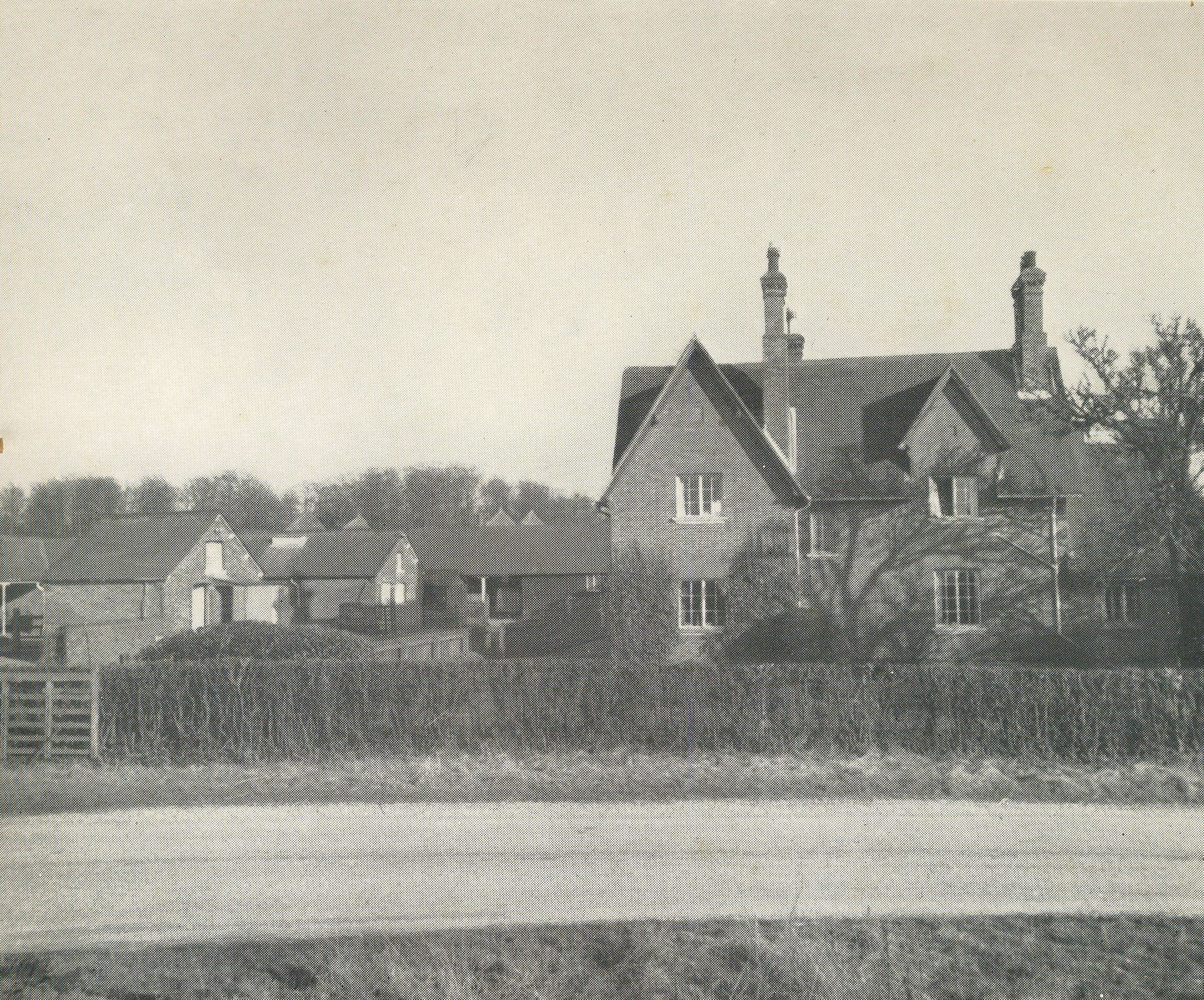
Photograph from the Chenies for Sale Catalogue
My family:
My grandfather Daniel Brown was a cobbler and made shoes for one of the princesses (as an apprentice). He used to give me a farthing as a child to buy sweets. ‘There was an old crow who sat on a plough and unless she has flown she is sitting there now‘ – this was sung by my grandfather after Christmas lunch at Little Green Street and several glasses full of cherry wine. Just think, my mother used to work in the Alms-house as a girl and my grandparents knew the people in the cottages along the Common and in the Pest House.
Church, choir and Sunday School:
There was Sunday School prizegiving each year. I got 3 pence to say all the books of the Bible Old Testament and 2 pence for the New Testament. Happy Days. This was said at prizegiving:
I had a friendly smile, I gave that smile away;
The milkman and postman seemed glad of it each day.
I took it out when shopping, I had it in the street;
I gave it without thinking, to all / chanced to meet.
I gave the little ones my smile, and though I’d much to do, I gave it to my neighbours, The old folk had it too.
I always gave my smile away, as thoughtless as can be, For every time, how wonderful, my smile returns to me.
As one walks down the alley to Copse Wood and turn left, and the path leading to a stile and The Platt, so called then, on entering the wood, on your left were three large beech trees, the soil removed to form a half moon effect which would hold several children to sit around. (NB likely located where the outdoor gym area behind the Manor House is now). On warm sunny Sundays, the Sunday School afternoon service was held in Wriothesley Russell’s time and refreshments were brought through the park to the delight of the many smiling faces of the children. I don’t suppose there is any trace of the trees and earth now – it was there until I left Chenies.
There was one special beech tree which had better and larger nuts on it and I can remember Ada and Anne Collins, the church cleaners, gathering some of the large nuts and the Agent sending them to Woburn to be grown into trees. There was the Sunday School treat and tea each year at the Rectory in August. Sunday afternoon school was in the church every first Sunday in the month and Milly played the organ missing out several notes. There it is, time passes, memories remain.
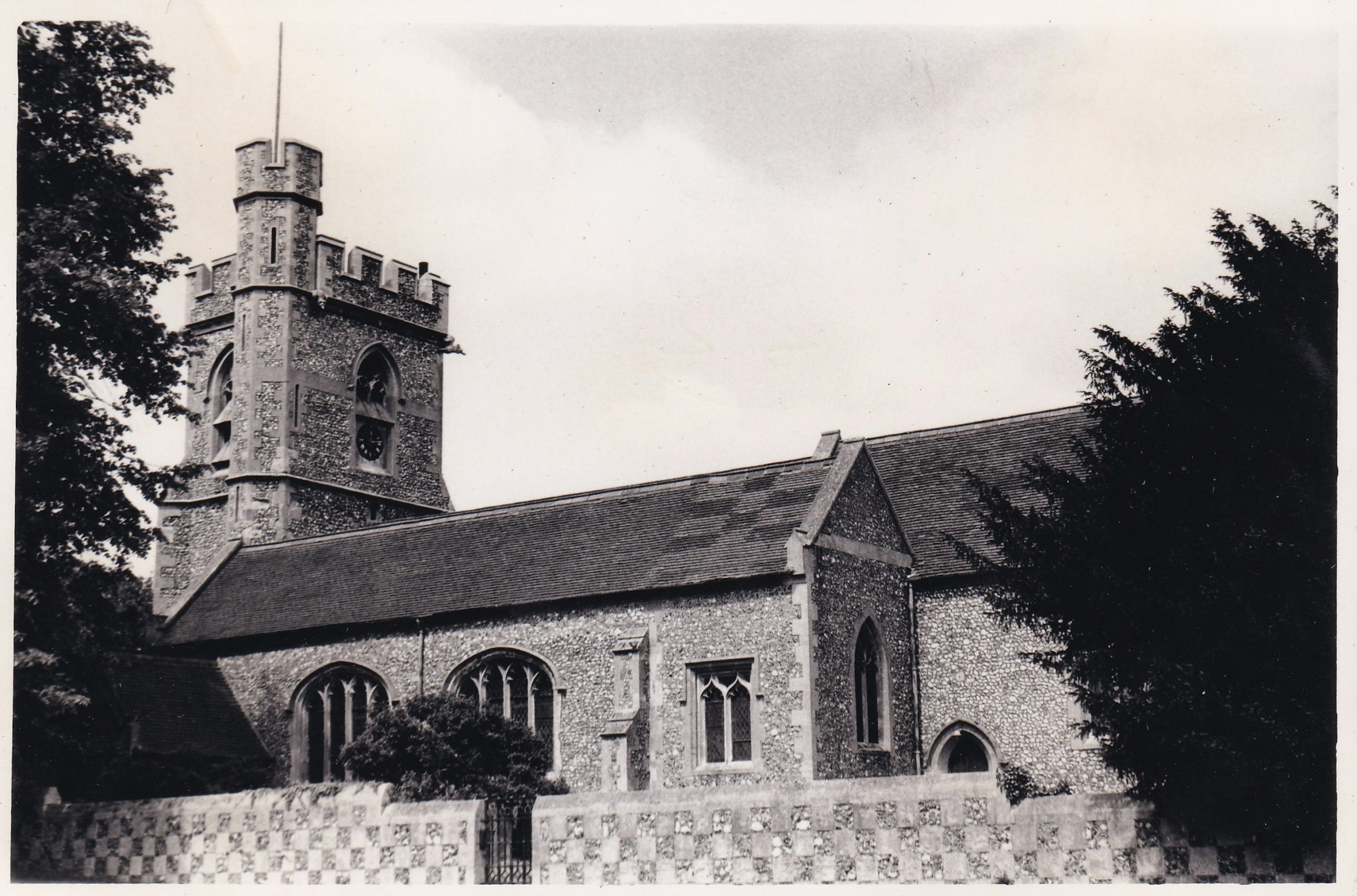
My father had a good tenor voice and there were eight men in the choir: W Smith, Mr Todd, Tom Holloway, Harry Grover, Mr Grover, Mr Howel, Herly Hoade (unclear of spelling) and Archie Grover. They were paid 3 pence a service by the Duke of Bedford, also the organist and organ blower. My brother did organ blowing and then and I did it through the 1st War, 9 pence a week.
When the gas was laid on and Mr Grover, Church clerk, was ill, Charlie Simmonds and I used to light the mantles, one with the taper and one with a long hook to pull the chain down. I have known 6 clergy at St Michaels: Reverend’s Shann, Clark, Tasker, Smith, Jones Stapleton. James Woods was the Vicars warden for years and when collections were low he often made it up from his own pocket. Coppers and three penny pieces were the chief offerings.
During the war Rev Shann did service ministering to the troops in France – his son Rex was killed there. Rev McNutt took over the Rectory and parish. He had to leave London owing to the Zeplin bombs. Mr Woods loaned him a hunter and he loved the village life and the harvest away from the Zeplins. He filled the church.
The men that took part in the First World War:
Percy Smith (Freds older brother), Ronald McGregor, Mr Alfred Salmon, Tom Holloway, Sidney Holloway, Mr Chiltons’ 3 sons (Alfred, James and Frank), Mr Rex Shann, Leonard Fursdon, Stanley Fursdon, Frank Chilton, Alf Simmonds, Roy Joiner, Mr Barden, Louis Brown, Jim Brown, George Brown, Bill Beeson, Mr McKay, Bill Styles, Frank Stevens, Joe Bastin, Tom Dancer, Fred King, Arthur King, Herby King, Earnie King, Mr Wally Cant, Robert Dobson. The Bodys’ (Sheephouse) and the Masons (Old House Farm) I am not sure of.
Tom Holloway and Wally Cant joined the army to help the veterinary doctor with wounded horses.
No misspent youth. Any strong boys digging for victory. I did a garden for two poor old ladies – my wage, treacle tart and cocoa.
It’s a shame, all those nice farm buildings never used. I doubt if anyone could make a straw band. The hours I spent turning for band making for hay trusses and straw. 56lb hay 36lb straw.
During the 14-18 war women helped on the hay and hoeing. Mrs T Holloway, Mrs Cant, Mrs Austin and a Chilton – I can remember meeting them on my way to school. We bought 6 spuds for thistle catching in the spring oats and wheat.
School:
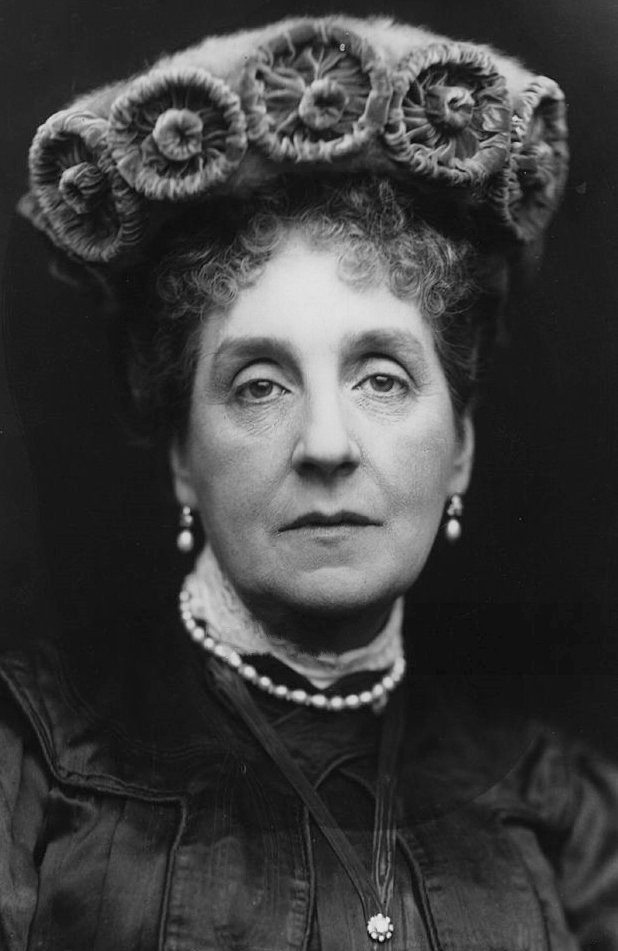
At Christmas, a present to each school child was given by Adeline, Duchess of Bedford, Woodside House, up until her death. School concerts took place in the Long Room at Manor Farm. George Bastin, Charlie Wood and myself took part.
Jobs:
When Mr Austin, gardener and handyman, was taken ill and not able to work again, I obliged by being back door boy on my way to school. 8.30am at the Rectory for Miss Kitty Shann and the Rector. I would clean 4 pairs of shoes, pump water from the wash house to the top of the house till overflow, get in the logs and coal. On my way home, chop wood for lighting three fires, take in more logs and coal, keep the cobbled yard swept of leaves in autumn. 9p a day 6 days a week until they left. No misspent youth, only happy and willing.
On Saturdays me and one other boy delivered eggs in Chorleywood to six customers and on return we rolled the courtyard at Great Green Street Farm. One shilling each.
Savings:
On leaving School in June 1917, with my Penny Bank and my perks re jobs and organ blowing (3 pence per service) I had £4 and 17 pence. And so to work on the farm, 8 shillings per 6 day week.
Farms:
There was no Little Chalfont as we know it now. The Sheephouses cottages and the Loudhams Farm two cottages were the only ones until the White Lion pub. All the land on the right was farmed by Loudhams Farm and that past the Black Horse rail bridge was Amersham Common.
Water to the village:
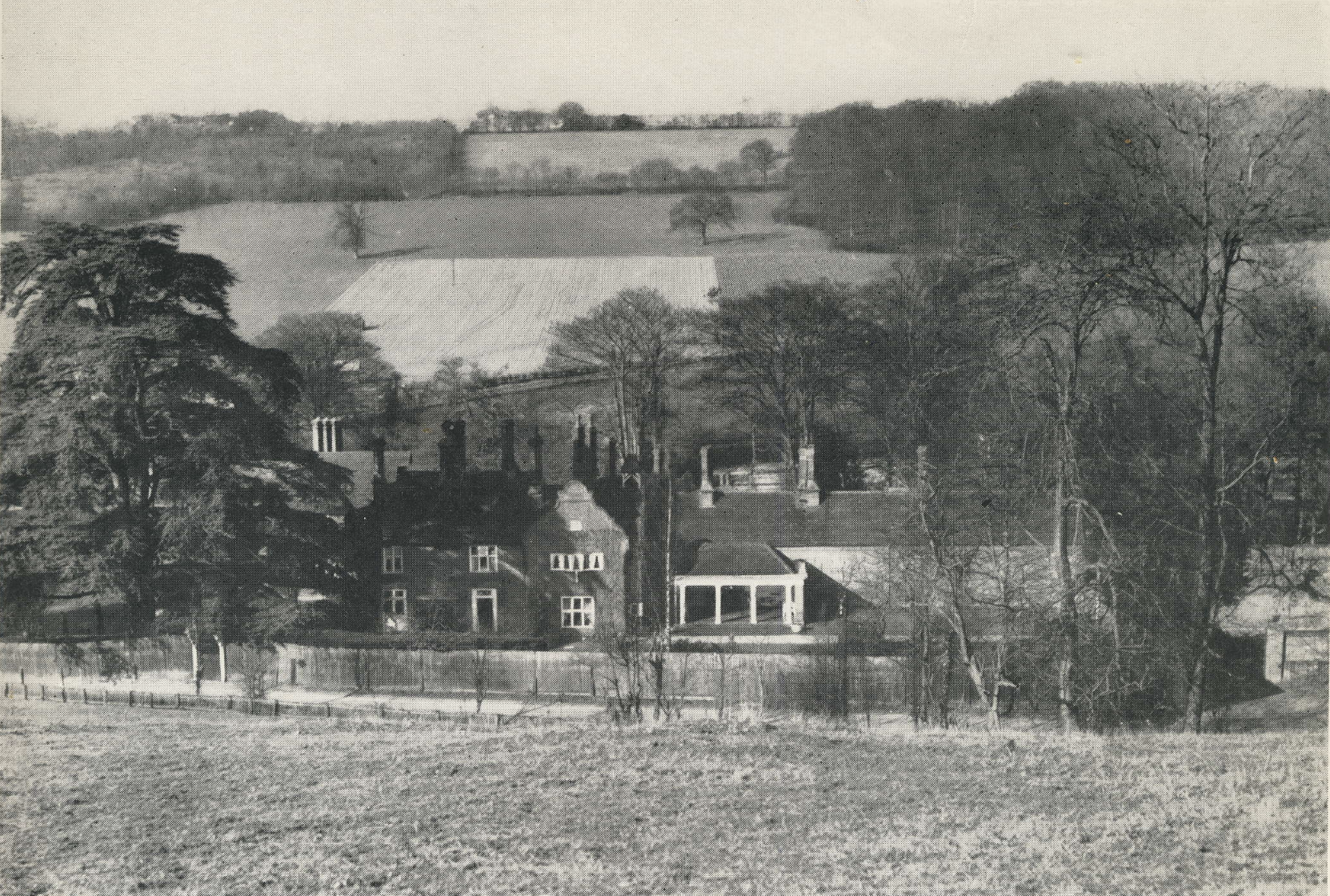
Photograph from the Chenies for Sale Catalogue
Water was pumped up to the whole of Chenies from the Mill and into a large storage tank in an orchard. This had been in operation for years and years. When it was turned off for 24 hours the Dukes men took action. James Chilton did the top half of the village and George King the Keeper had a key to a door near the bridge for inspection of the pumps.
When Mrs Stafford Charles took up residence at Woodside House she said was not fit for human consumption so of course it was connected up to Amersham and any new farmer taking over had to pay the water rate. Myself, I thought it a bit of a fuss. For instance, Lodge Farm had no water supply, only rain water. If there was a drought we used to cart it from Green Street Farm – a nice job for us boys.
Deliveries:
The village was well catered for. Milk was delivered to each house by Mr Hughes and there was also a milk delivery from the Bedford Arms. George Hughes the butcher supplied all the meat. Mr Salmon, the baker, delivered each day for 41 years. James Woods provided chickens and eggs at 2 shillings, all year round plus 100 turkeys at Christmas. George Ayres repaired boots and shoes. The Bedford Arms had a horse drawn Brougham Victoria and Wagonette driven by Alf Simmonds and Fred Stevens, and later Bob Simmonds.
Mothers Union:
This met each month at the Rectory.
Baliff:
Jonas White was baliff before Mr McGregor.
Countess of Warwick Charity:
Miss E Brown (Freds aunt) distributed money to the needy aged of the village each week and James Wood collected the cash from the bank at Chorleywood each Friday. The Committee were Mr Kilby, Mr Salmon, Mr H Boughton and Mr Simmonds.
Post:
Then: There was a lot to be said for our jolly little postman. For years he used to walk from Solesbridge Lane, first stop Green Street at 8.30 and always had stamps to sell us, and collect the mail from 3 post boxes.
1980’s: I was standing at Haddon Road, waiting for the bus when the postman came to clear the postbox. He collected the first class and threw the second class back in. On a Sunday I set off to post a letter for the 3pm collection and the postman in his van pulled up 20 yards away, collected the mail, jumped in the van and off. He could see I had a letter, but, no. The next week, a bit in the paper advertising for postmen £107 per week and holidays.
The Russell family:
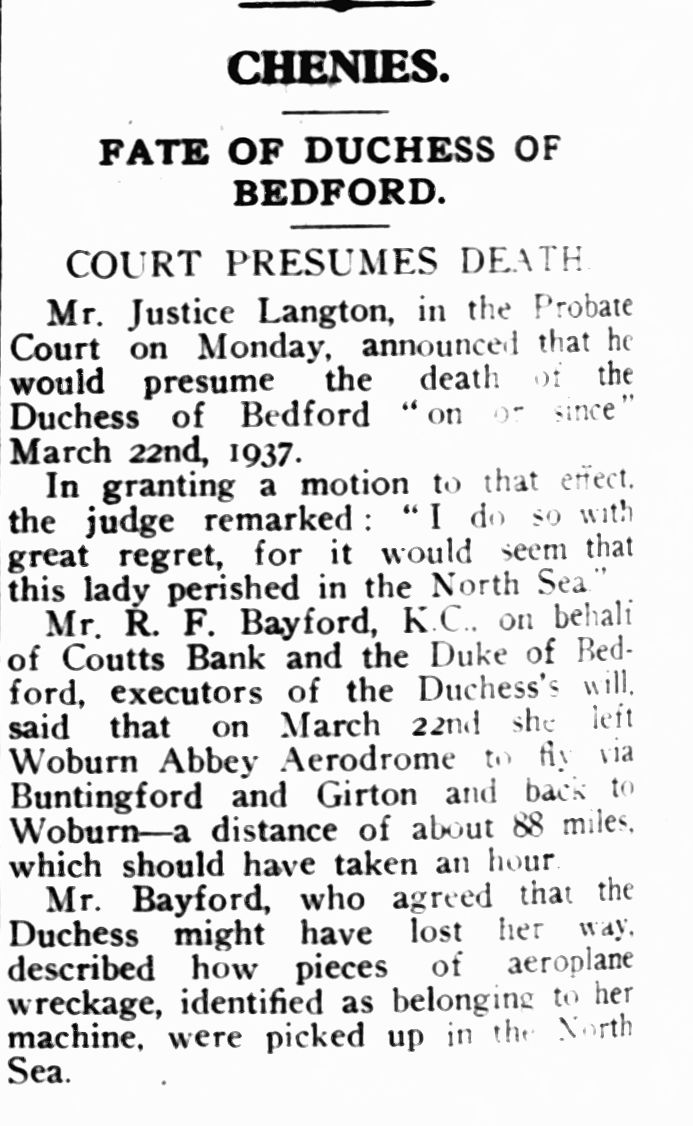
In 1928 the Duchess of Bedford and Captain Barnard, in the Gypsy Moth, used to land on Little Green Street Farm field. One day they were going up the field as my father came down in the cart on the other side. It would have made a nice picture. (NB The Duchess of Bedford, Mary Russell, began learning to fly with Captain Barnard as her personal instructor. They together broke several major aviation records. The Duchess went on to lose her life in a flying accident).
Our library: (Hurstleigh, in Shire Lane Chorleywood, where Fred lived) has a fine collection of books. I am thrilled with one, I am sure you would like to read it: ‘A silver plated spoon’ by John, the Duke of Bedford. There are 12 pages on Chenies and 2 on Chorleywood and it includes the selling of Chenies. If not finished at the end of 4 weeks I shall renew it.
Former friends from Chenies:
I have just heard of the illness of Mrs Buck at Home Farm, as was. This, I am told, was a shock. As a long life friend at school and many years in the choir and always asks after me through Miss Youldon who attends Chenies Chapel each Sunday morning from here. I would be grateful if you could possibly keep me informed of any news.
I had a nice letter from Con (Connie Buck, daughter of Mrs Buck) a few months ago, of news of Nelly Grace and Harry Grover who Con kept in touch with.
One regret:
What a full and happy life, but my one regret, oh how I wished I had kept a diary. The royalties I could have had – ‘Farming in the past by a man of the soil‘ – F. Smith.
From: The Changing Face of the Village, by J W Howie
J W Howie writes about the memories of Fred (called Frank here) Smith, who was born at Little Green Street Farm and went to Chenies School before the First World War.
There have been more changes during the life-time of those people who went to school in the early years of the 1900’s than during any other period in history of 60 to 70 years – from horse-drawn traffic to flights to the moon and from morse code messages to colour television, to name but two aspects of change.
Something that has changed almost unnoticed is the life of the village. Before the 1914/18 war villages were almost self-supporting and self-contained for the normal requirements of daily life. Now the shops are going, if they have not all gone, and everyone is obliged to go and struggle in the supermarkets of the nearest town or hope to catch the mobile grocer’s shop on its way round.
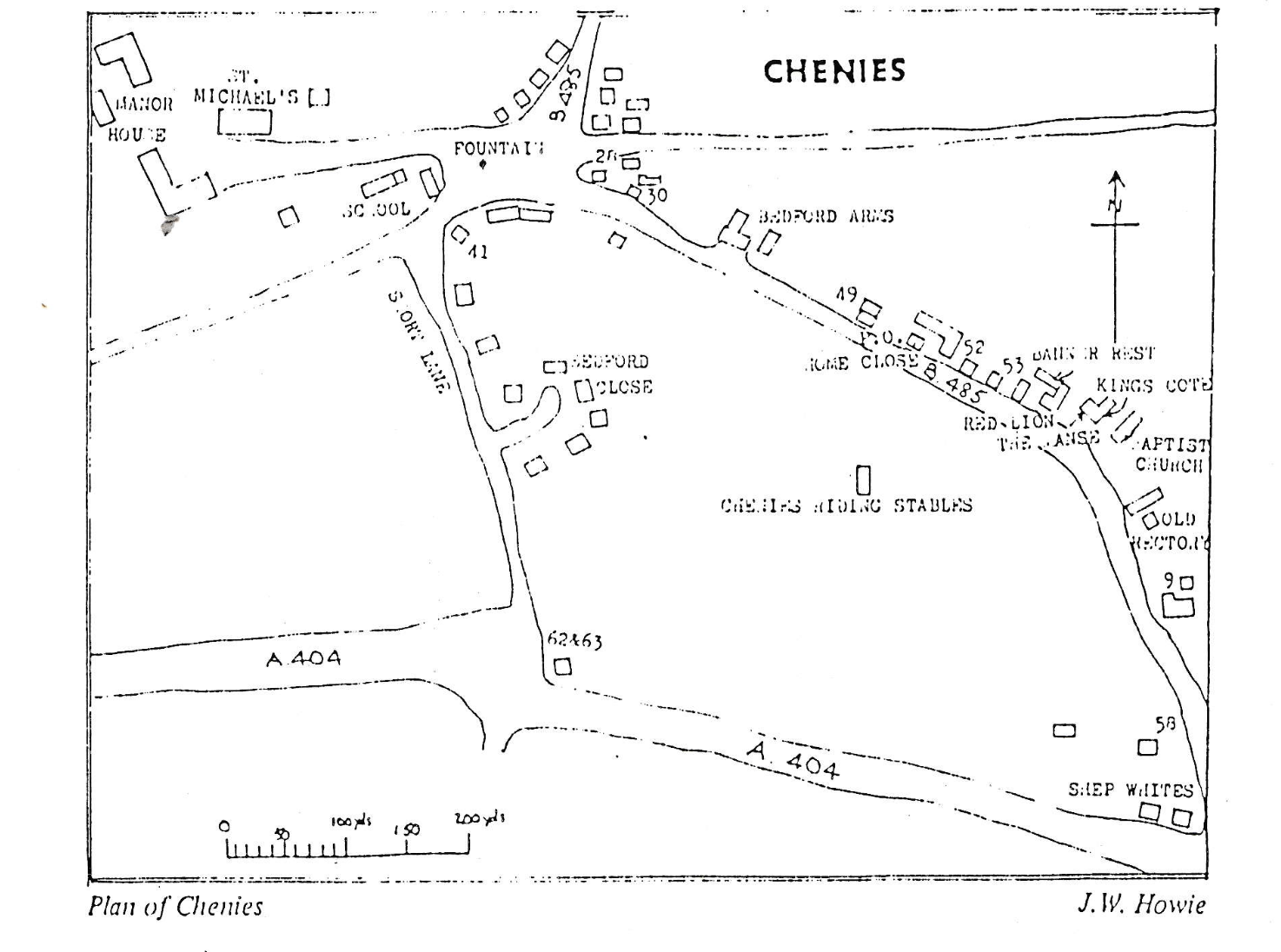
Recently we had a walk round Chenies with Mr. Frank Smith who was born at Little Green Street Farm and went to school in Chenies before the 1914/18 war. His recollection of life at that time is very vivid and we have noted down how some of the existing buildings were occupied during his school days. Although some buildings have been altered, the only new ones are the school and the houses in and near Bedford Close. Now there is only one shop – an antique shop and a post office!
The following descriptions of the buildings in Chenies are in the order that Mr. Smith would have seen them on his way to school in the morning and are given in Mr. Smith’s own words:
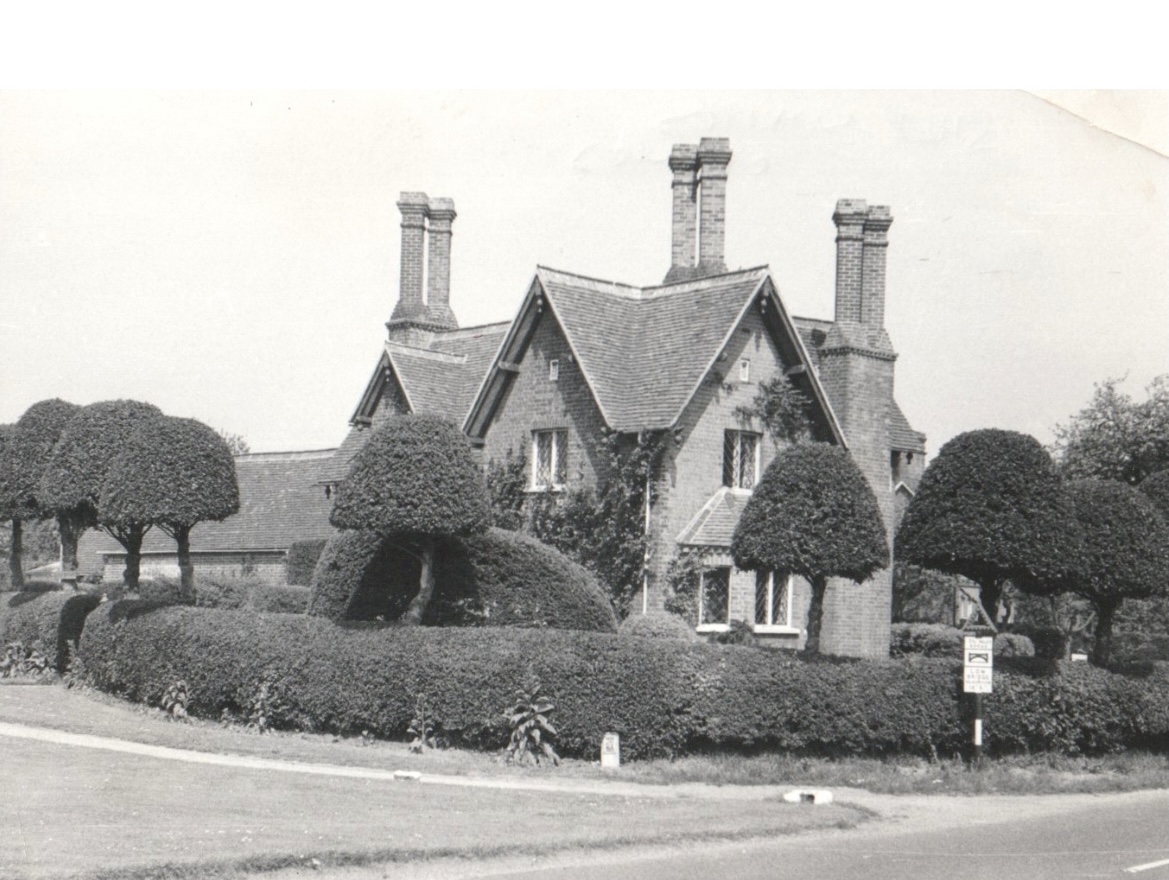
Residence and office of the Duke of Bedford‘s estate agent who had approximately 10 men working on the estate to check up on the property and put things right if possible. Farmers came to pay their rent to him in a room at the Bedford Arms!
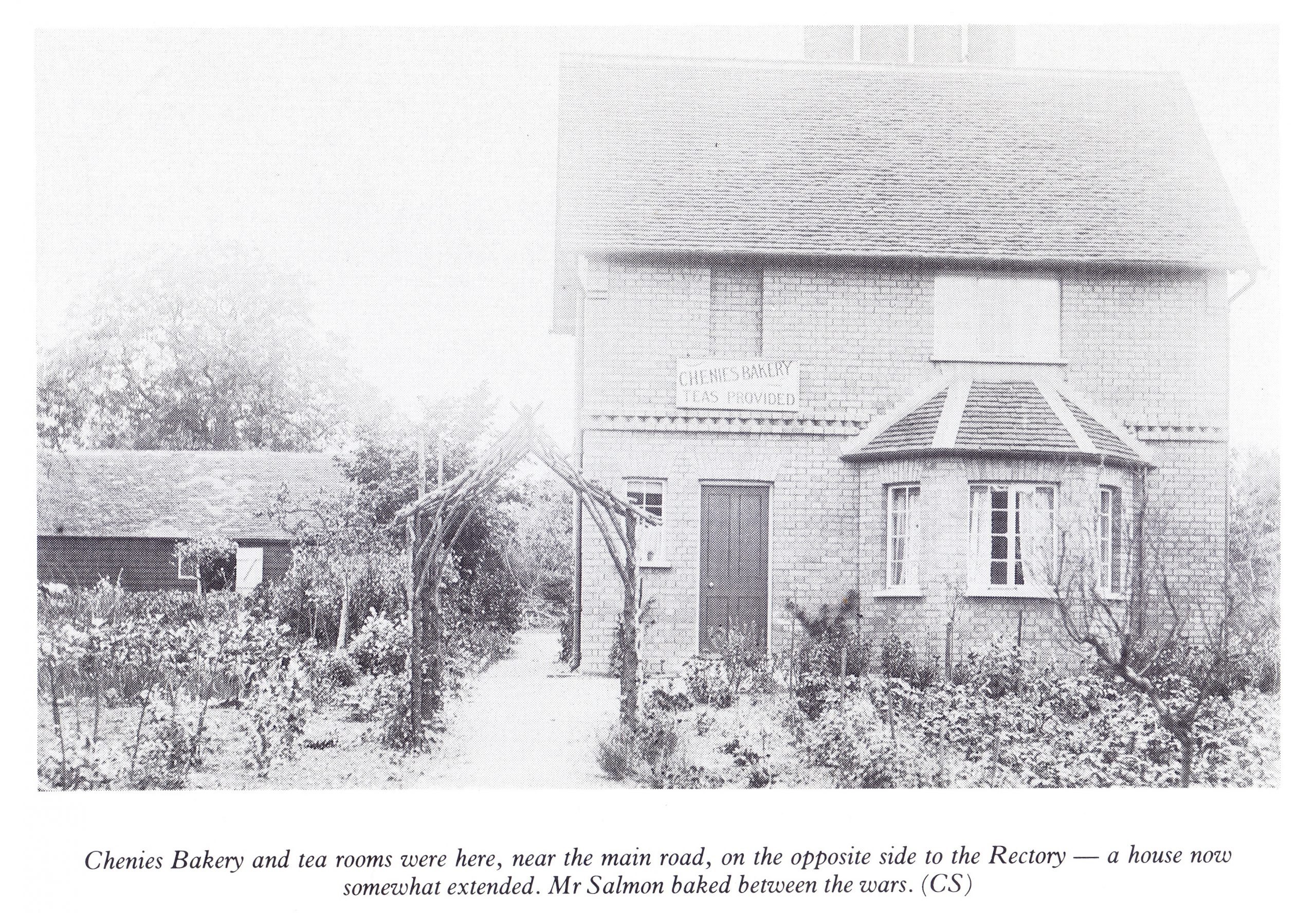
No. 58 (Chesscroft)
Mr. Salmon the baker lived here from 1905 to 1972. He served teas in summer in the front room and in the garden. He made bread (naturally), jam, lettuces (grown), milk and eggs (produced) – he only had to buy tea and sugar. It was a very pleasant walk across Chorleywood Common from the station – they were lovely teas.
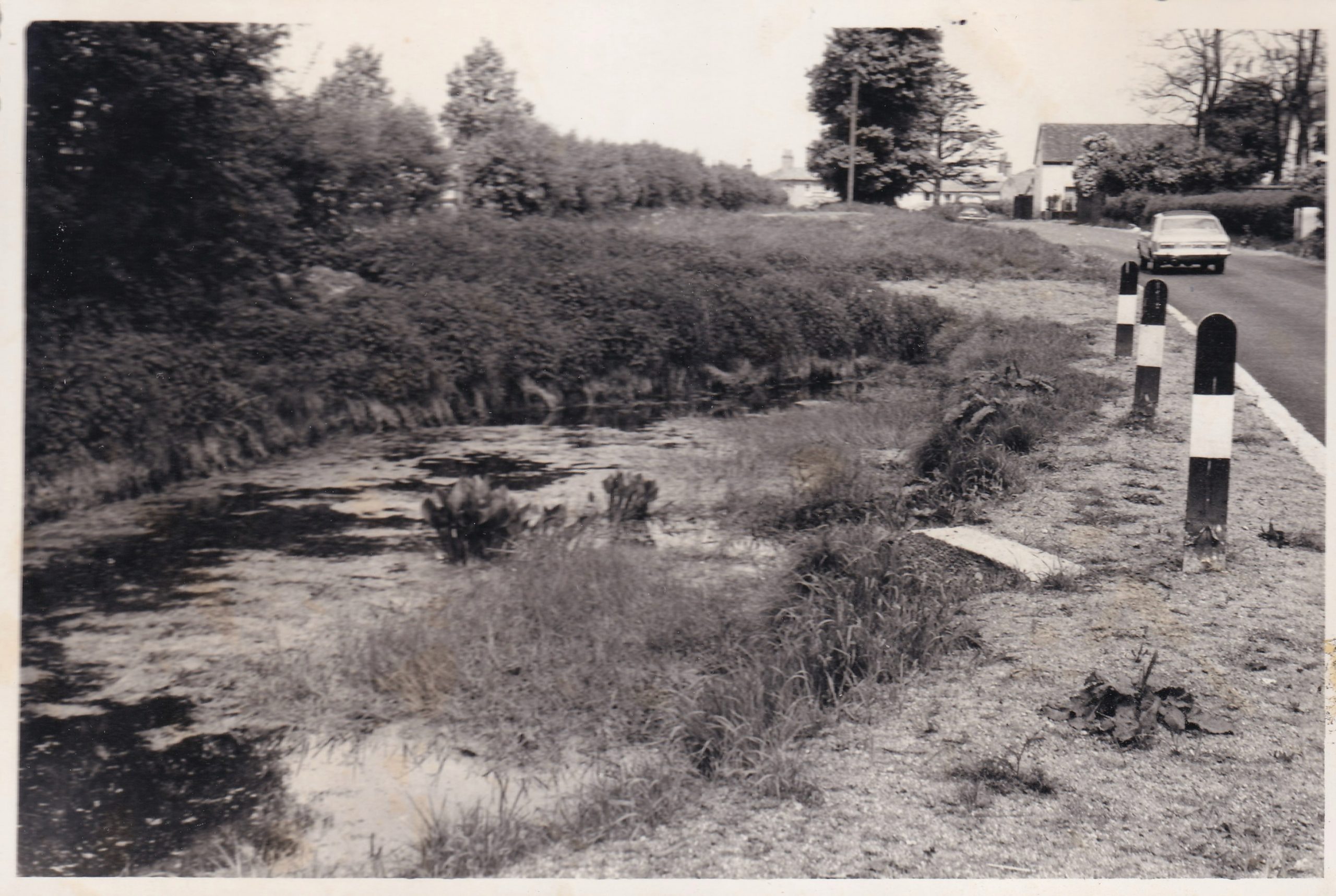
Here is the Horse Pond, much larger in those days – horses could walk in and drink.
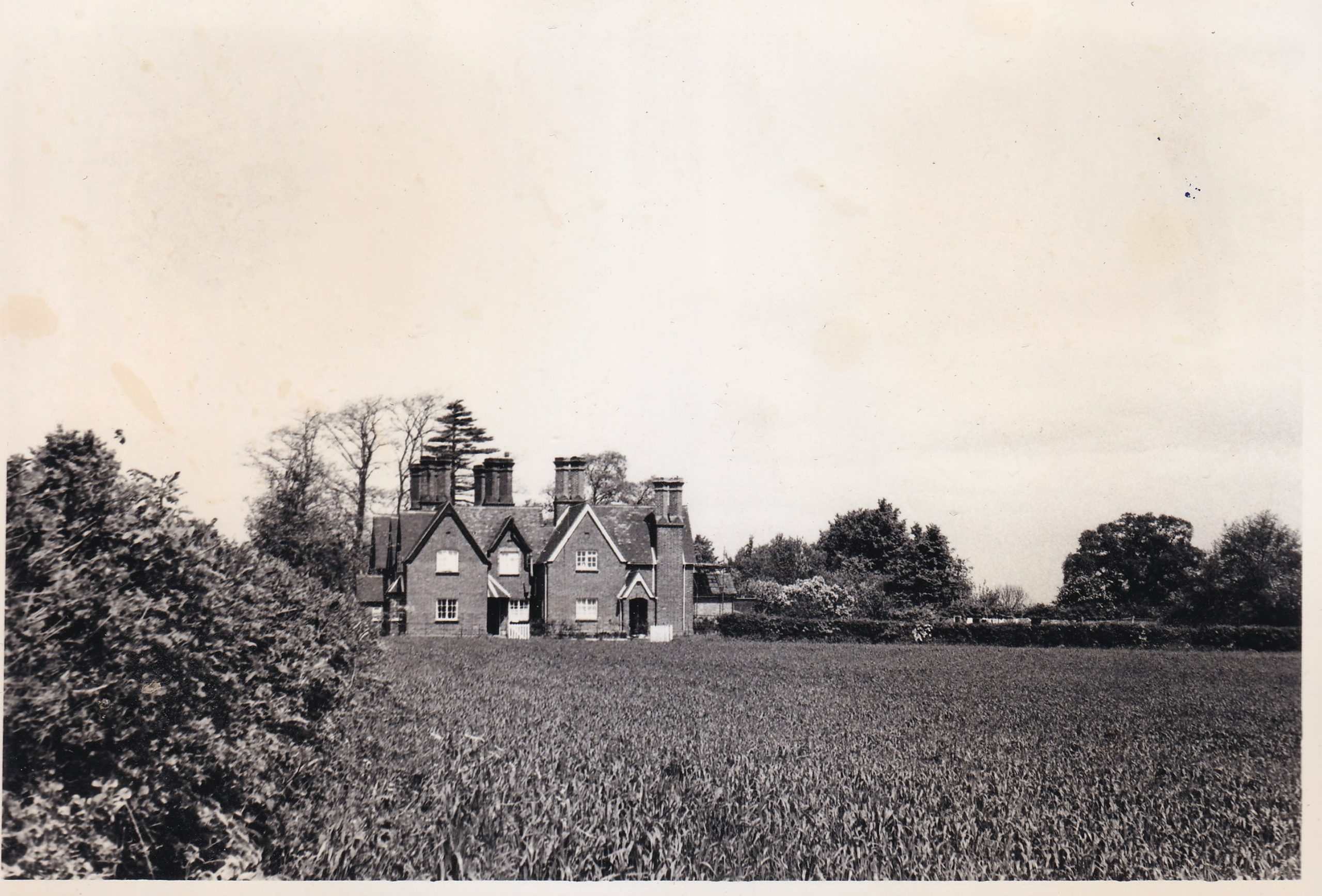
No. 9.
These four cottages were the last to be built by the Duke of Bedford in 1867.
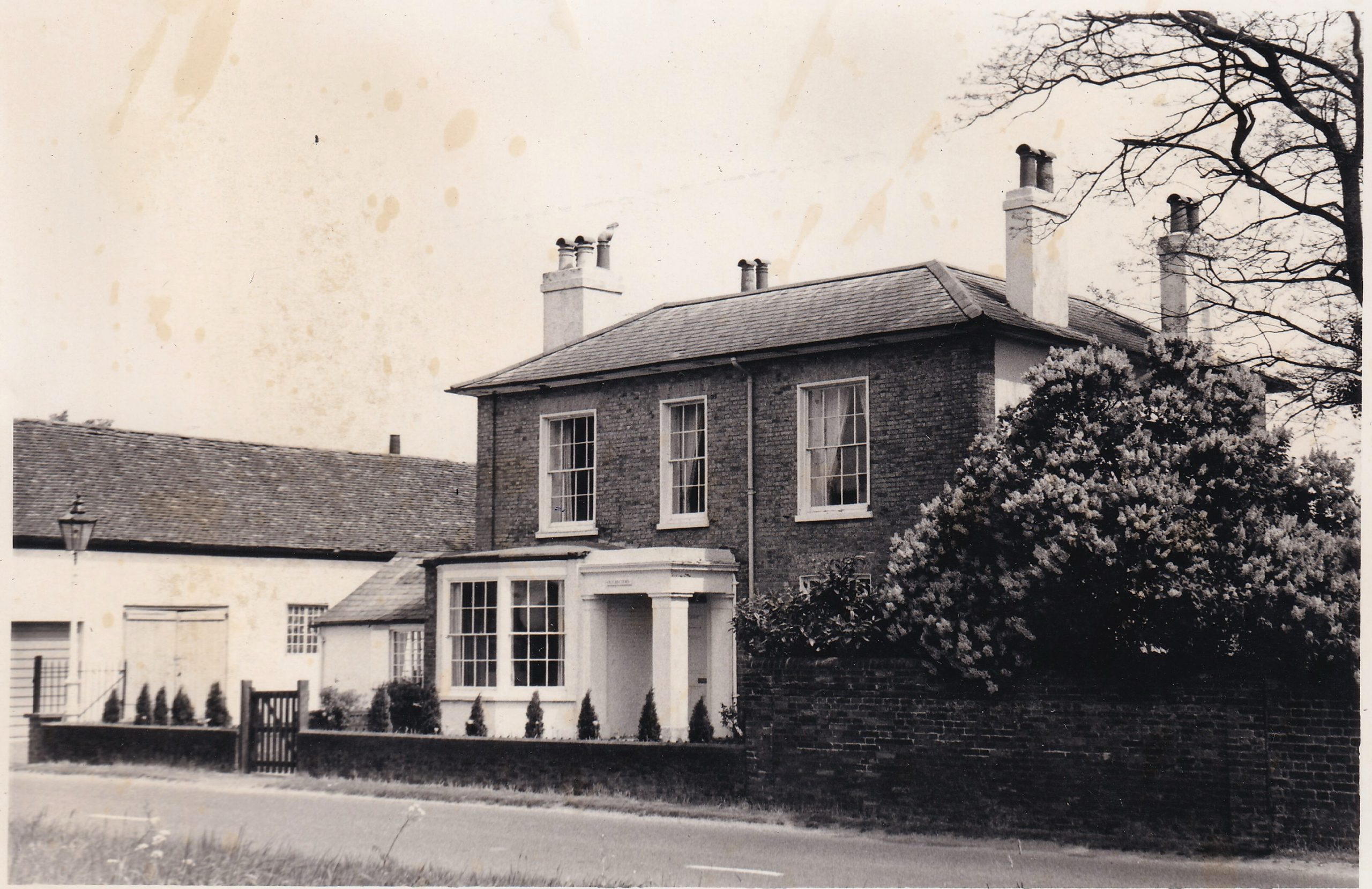
Old Rectory
This was occupied by the rector until the new and more modern one was built near the church. The first floor of the building at the side (now a garage) was the parish room where many a party took place years ago.
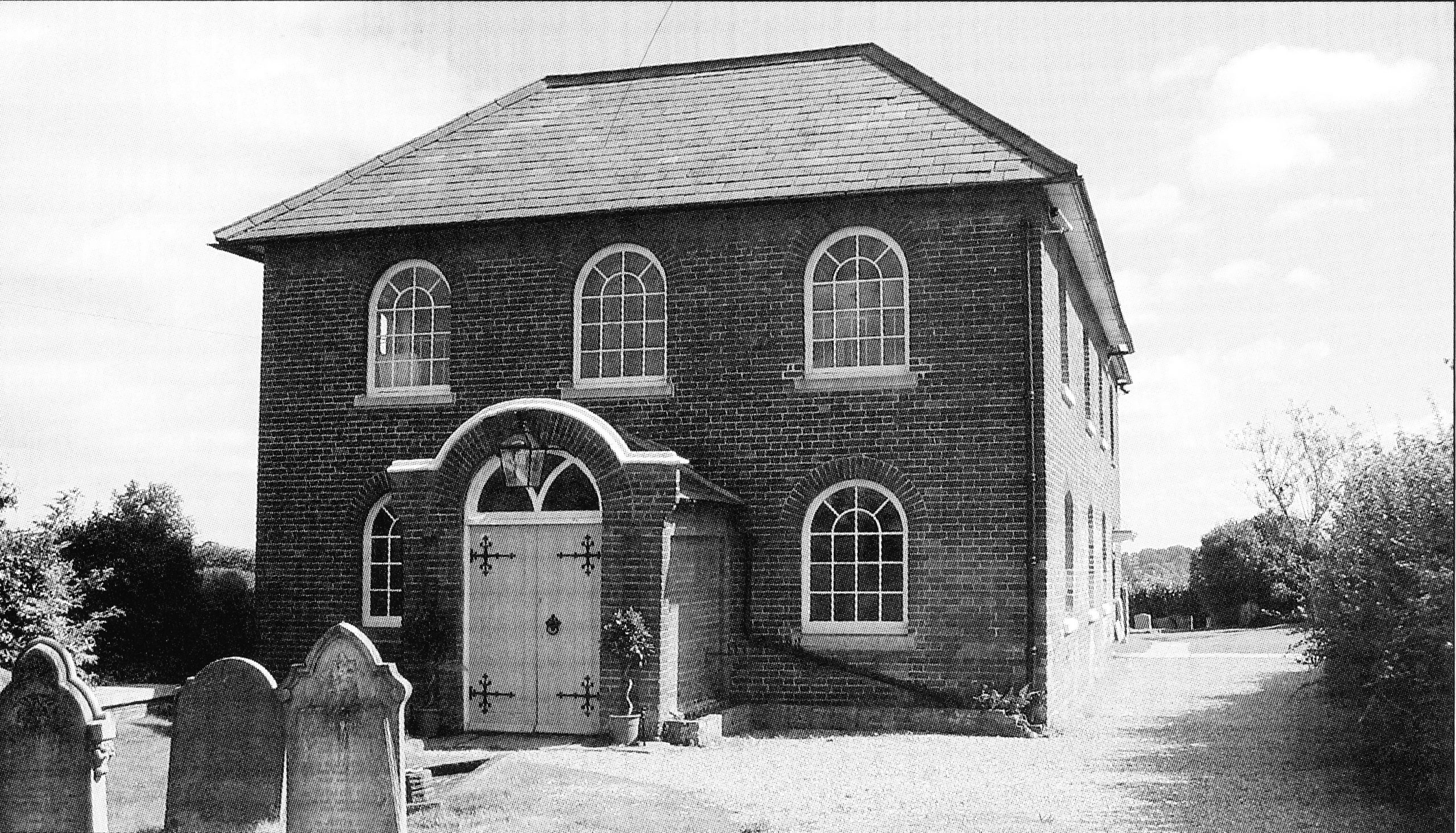
Just the same.
Kings Cote
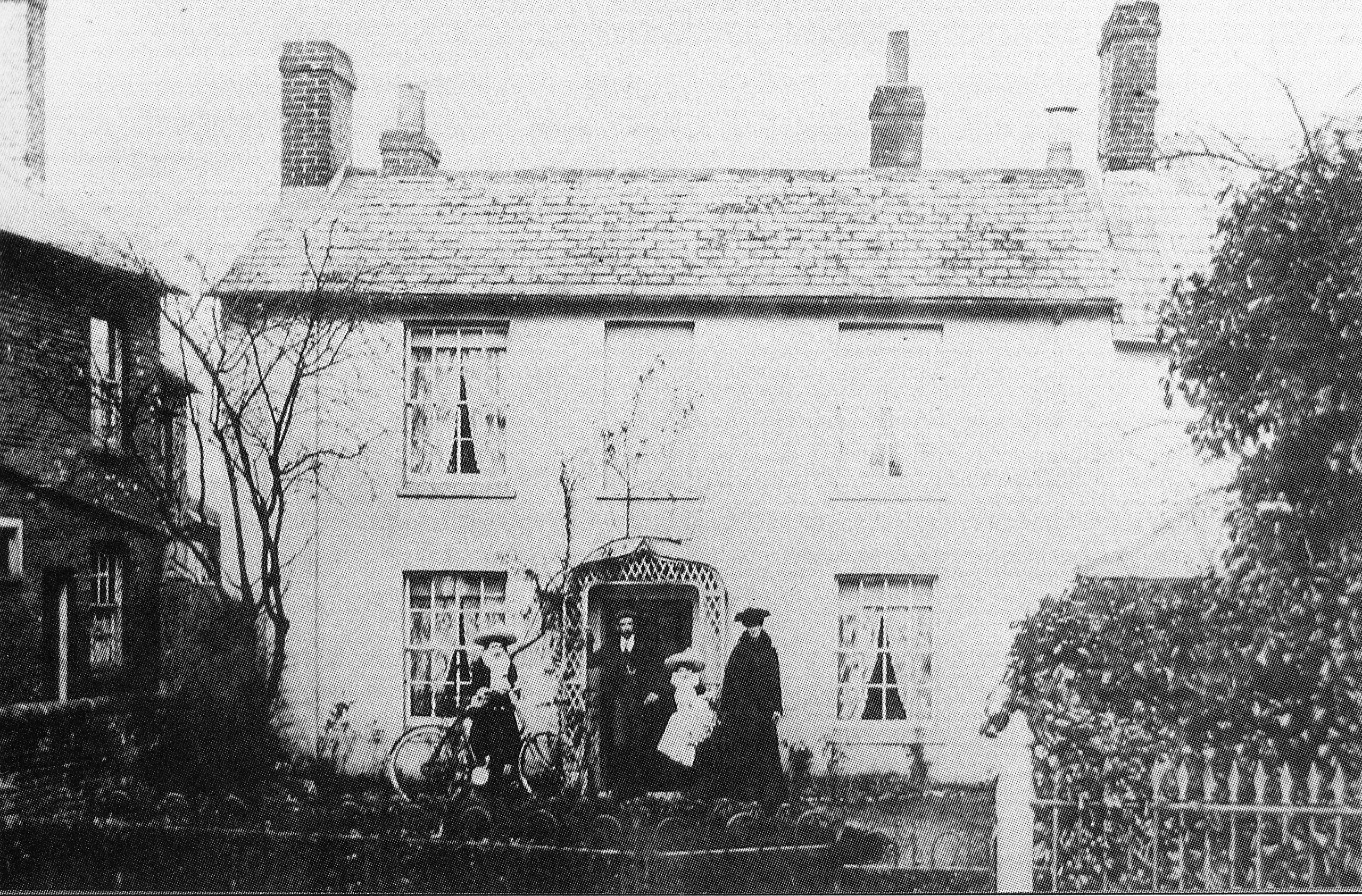
This was the Manse.
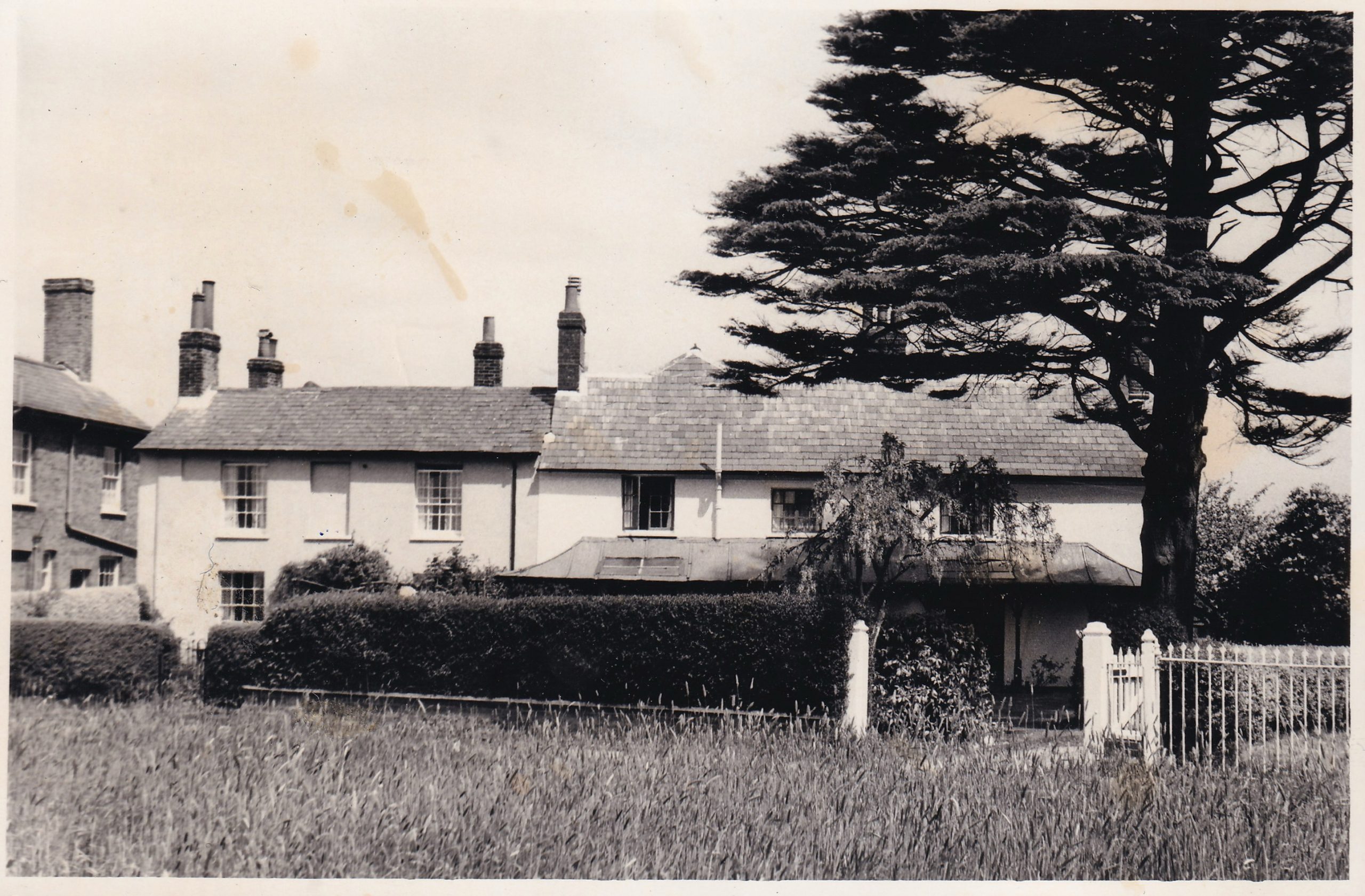
The Manse
This was occupied by the church organist.
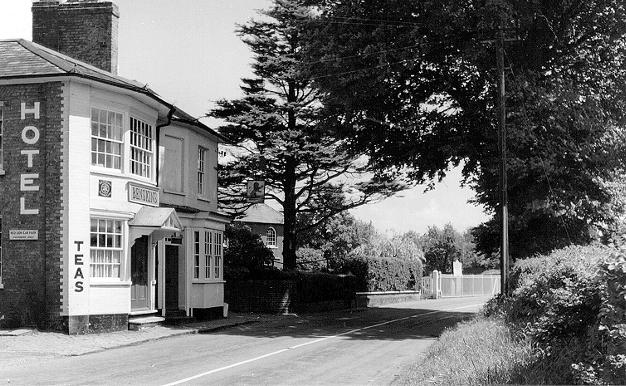
This has changed little. Casual labourers would often spend all day when it was wet in the tap room at the rear. During the harvest on such occasions they would ask for a sub having spent all their money the day before here or at the Bedford Arms.
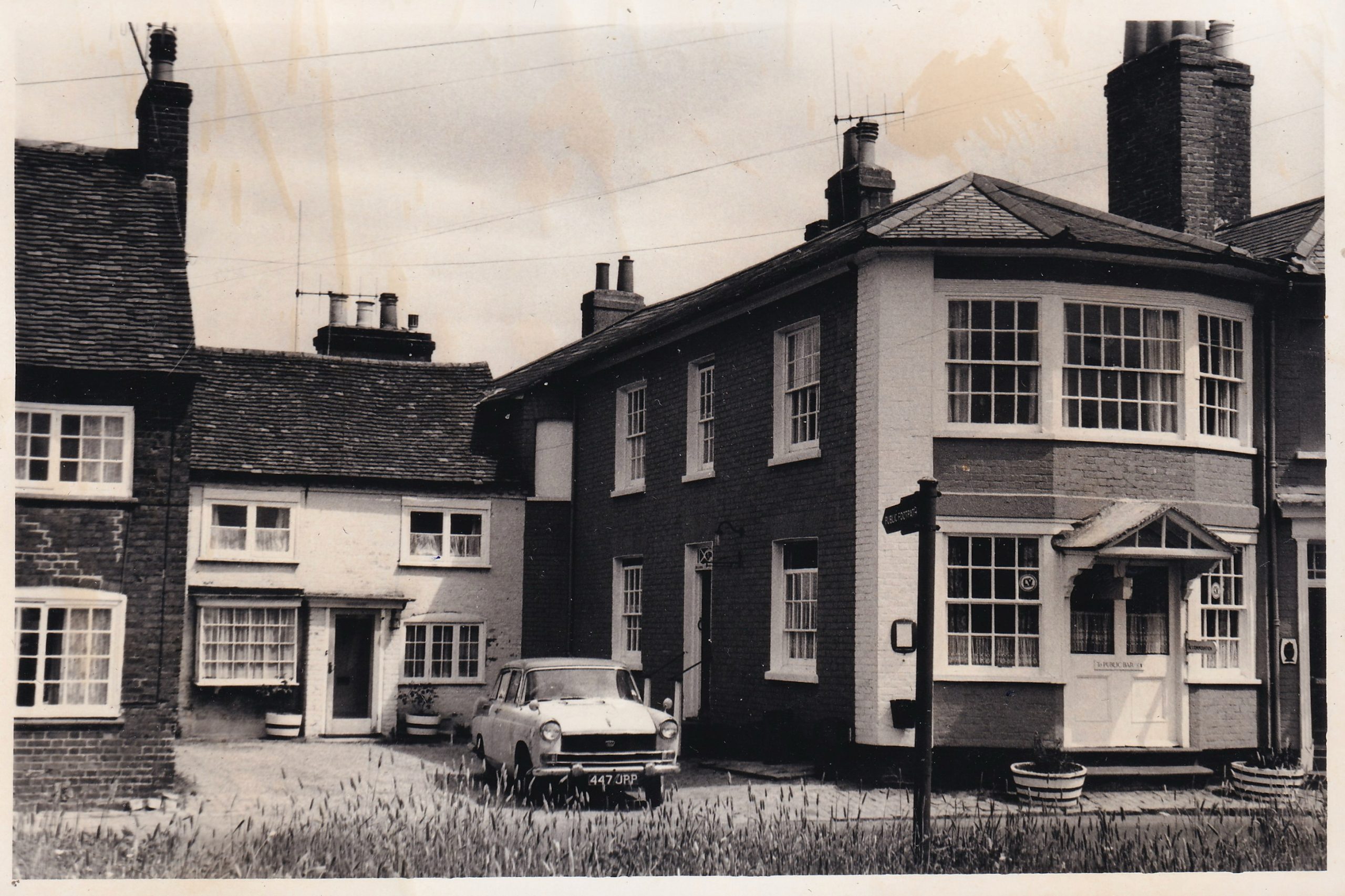
Banners Rest
This was the village store that sold everything and was run by Clara Kentish and her mother. There was grocery of every kind, haberdashery, oil for lamps (my bicycle).
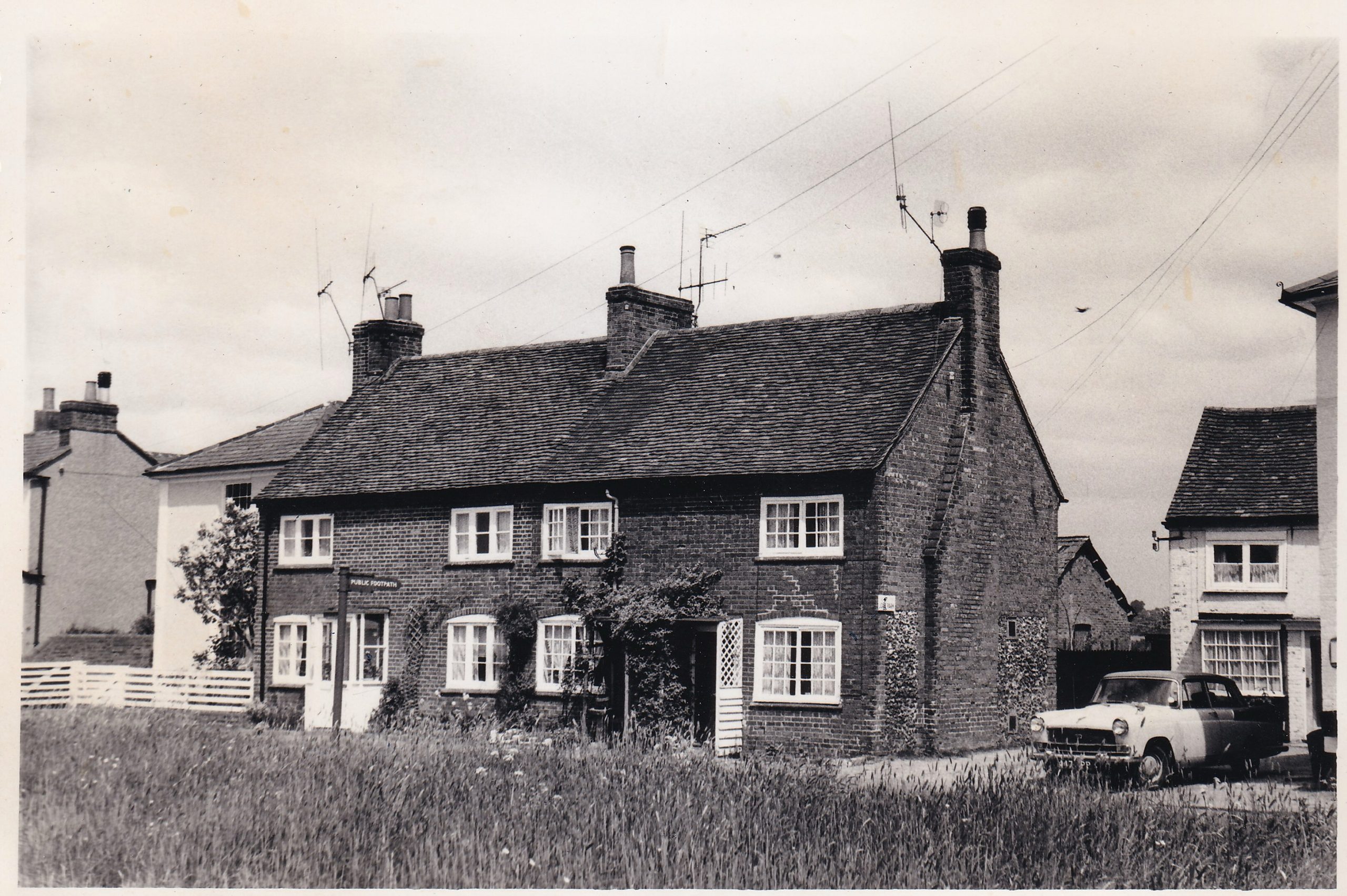
No. 53
I moved here when 1 was married in December 1932. It had a front and back room with kitchen at the rear; upstairs there were two bedrooms; stairs led down to the cellar: the loo was outside.
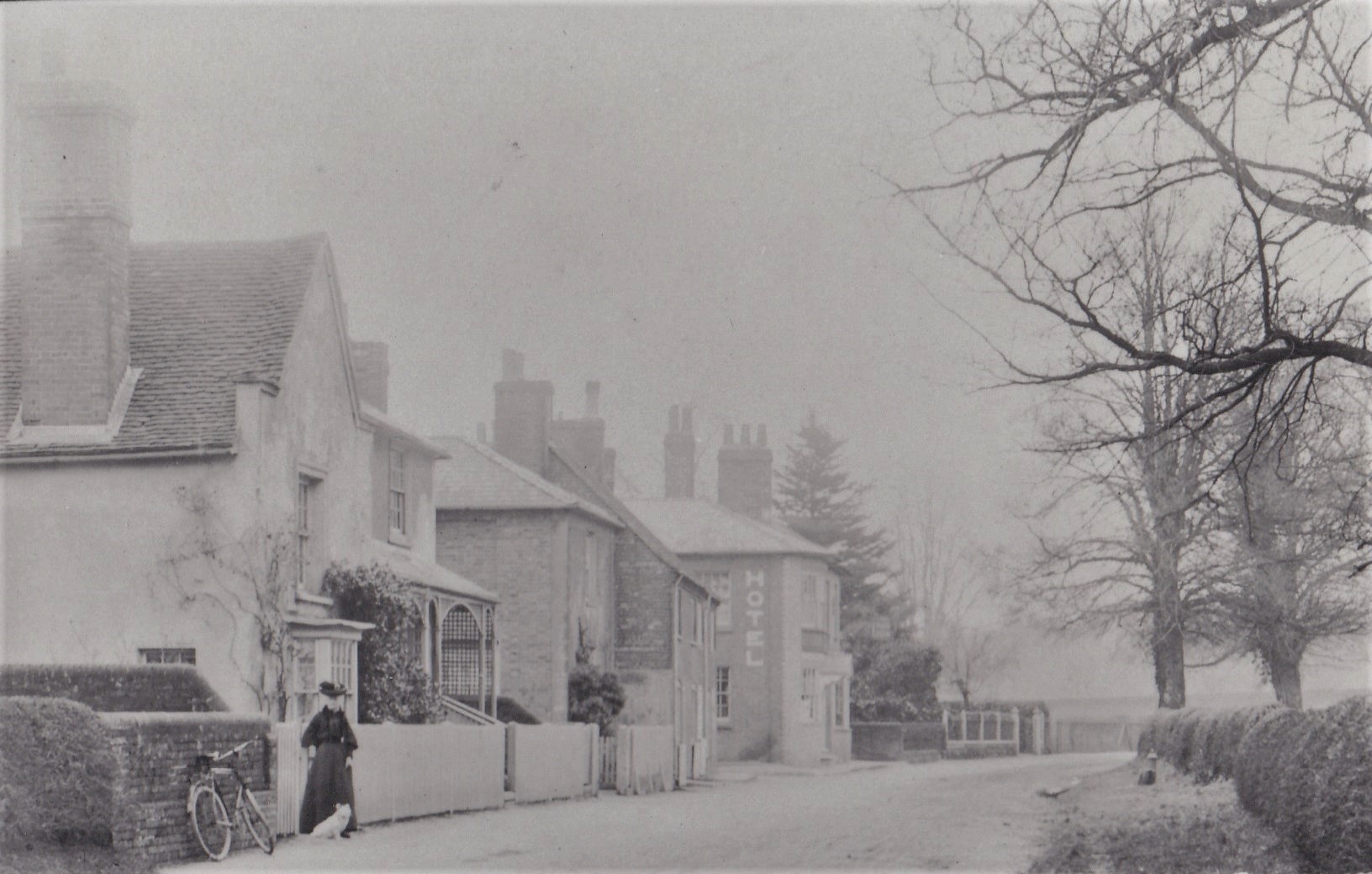
No. 52
Many years ago this was The Plough public house.
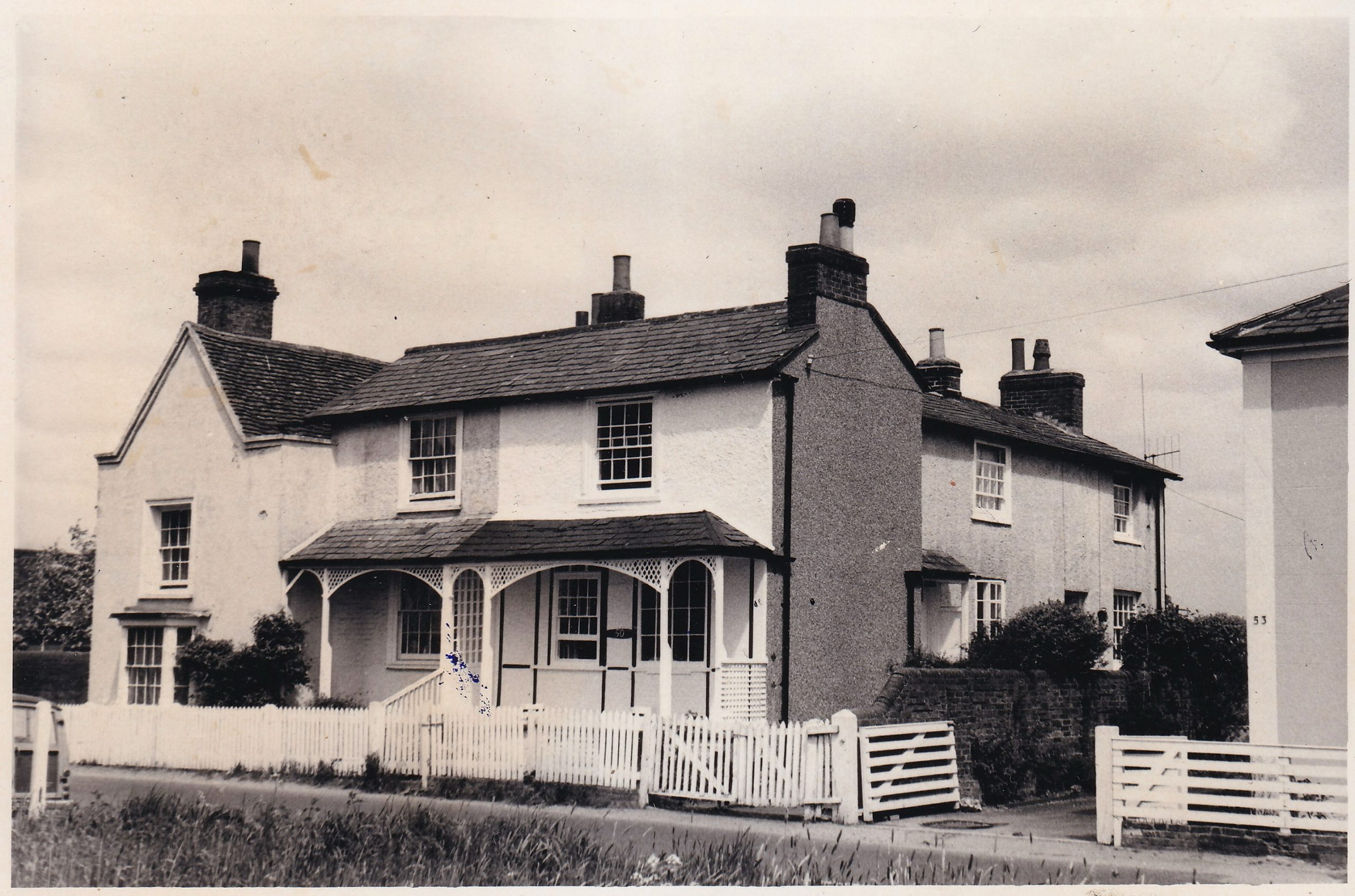
Nos. 51/52 at rear
At one time the small cottage was occupied by a poacher (part time); one day the house was searched by a constable, but they found nothing as his wife had several joints of mutton tied up under her bustle. This was in the days when the punishment was transportation to Australia.
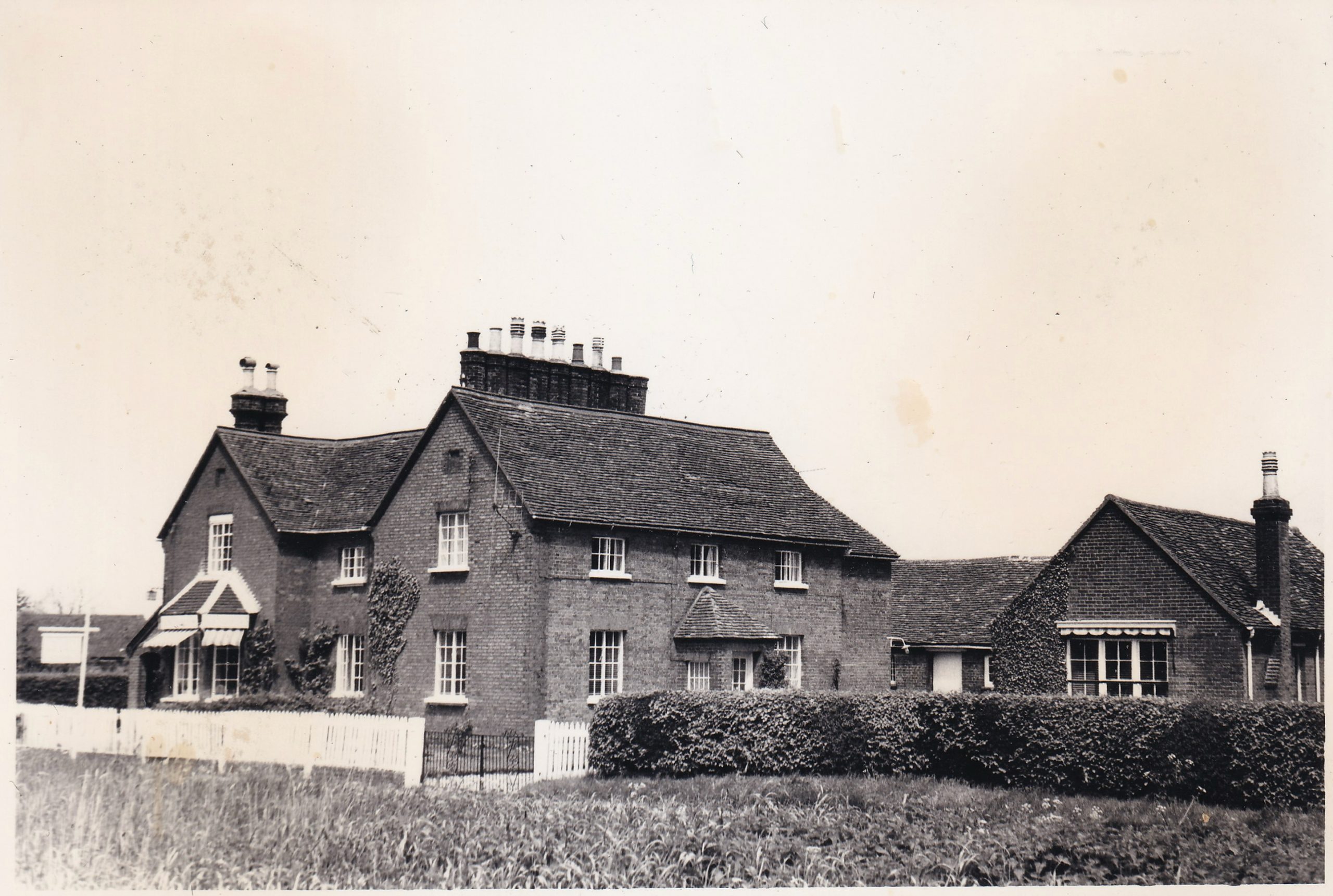
Home Close
Mr. Hughes the butcher lived here and the single storey brick building at the side was the shop with slaughterhouse behind – used for the odd sheep or pig.
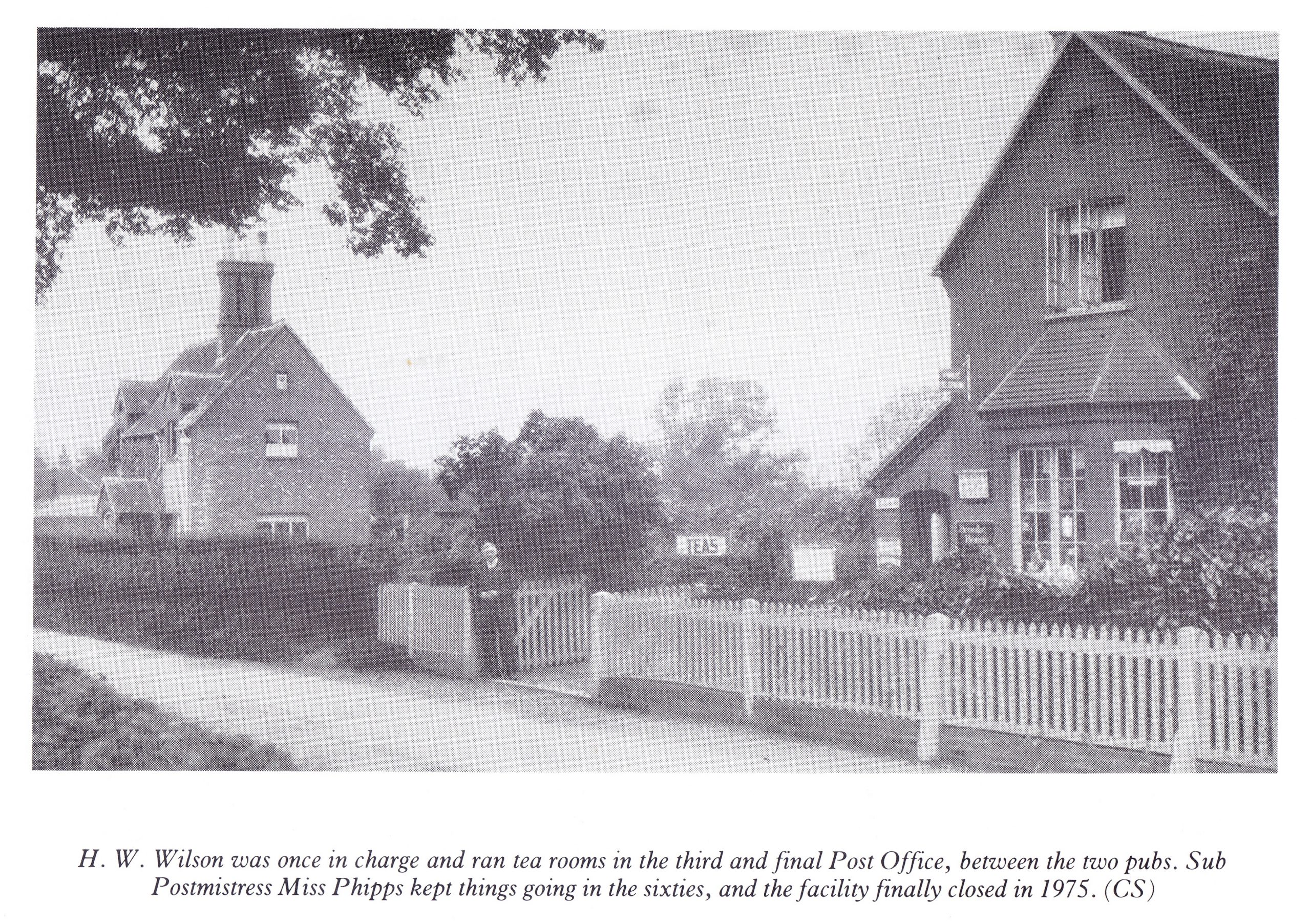
Post Office and Antique Shop.
This was the dress shop which sold material, bed linen and haberdashery. The post office moved here about 1910.
Chenies Riding Stables
This was the Home Farm which was part of the butcher’s business opposite and included two meadows, two fields and the glebe land adjoining the Old Rectory. Mr Hughes and the Bedford Arms supplied the whole village with milk, while butter was churned at the Bedford Arms twice a week.
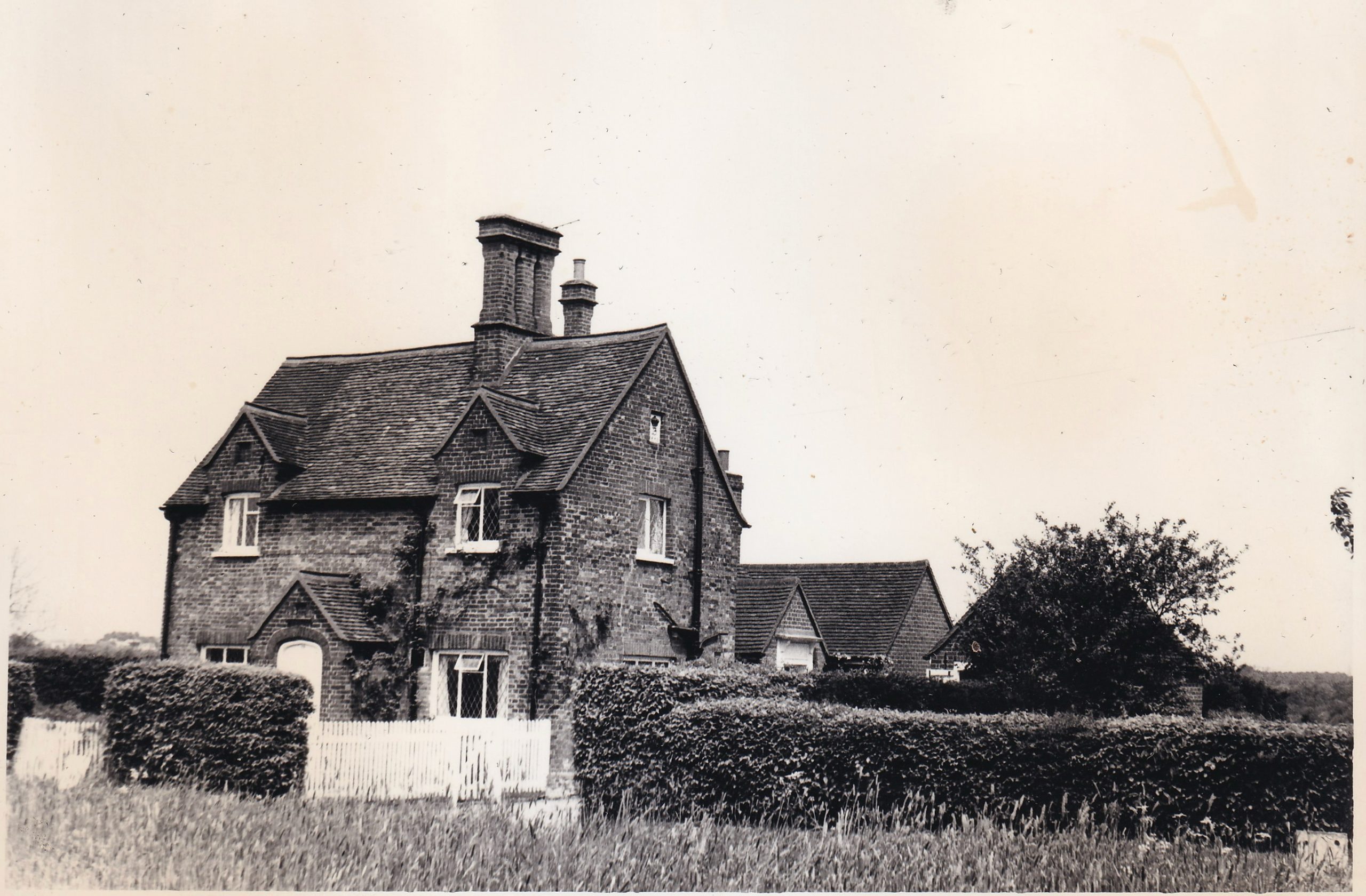
No. 49
This was the infants’ school where my mother went between 1865 and 1870. They played in the shed at the side which has long since been demolished.
Here was the meadow where the village team played football.
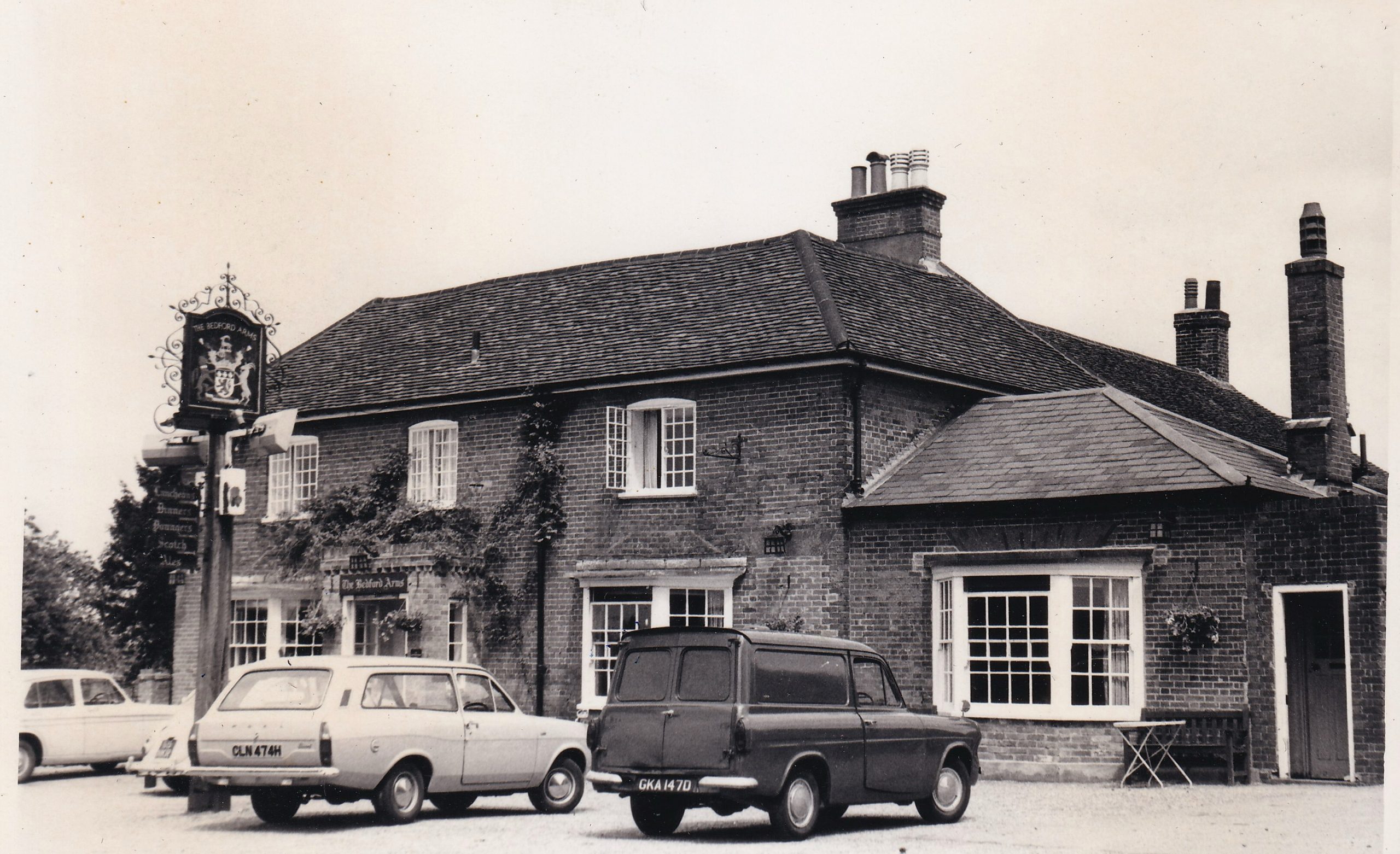
Bedford Arms
Rooms were always reserved for the Duke of Bedford’s guests in the fishing season when they went down to the mill stream on the Chess. The Berkeley Coach drawn by four horses stopped at the “Bedford” on its way from Croxley and Rickmansworth to Amersham. The single storey building at the side used to be the stables and coach house where there were broughams, victorias and waggonettes. The old tap room (now the darts room) used to be frequented by the casual labourers who could not go home to lunch. They could cook their food on the fire; on wet days at harvest time they congregated in the tap room as there was nowhere else to go out of the rain. As casual labourers were often paid daily they would ask for a sub, because those who spent all their pay the evening before at the Bedford Arms would have nothing on the wet days for food or drink.
No. 30.
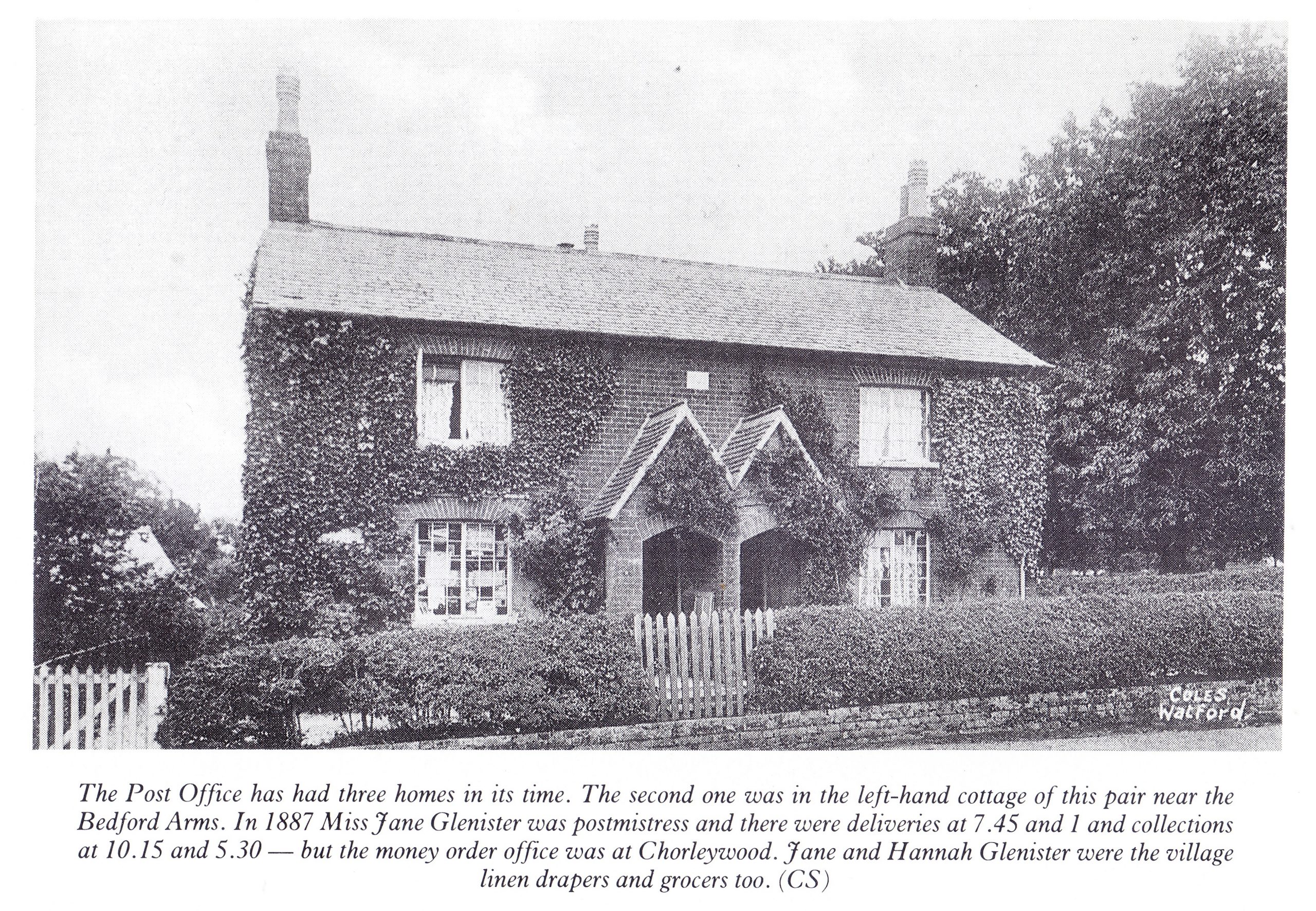
This was the Post Office until 1910 and also sold sweets, soft drinks and some groceries and haberdashery; Miss Glenister who ran it often did not get up very early in the morning and on such occasions the maid would serve the children with sweets on the way to school when they received very good weight – she would tip up the jar to fill the bag – a good farthingsworth of “dolly mixtures”! (Note the letter box on the ivy covered wall on left in the photo.)
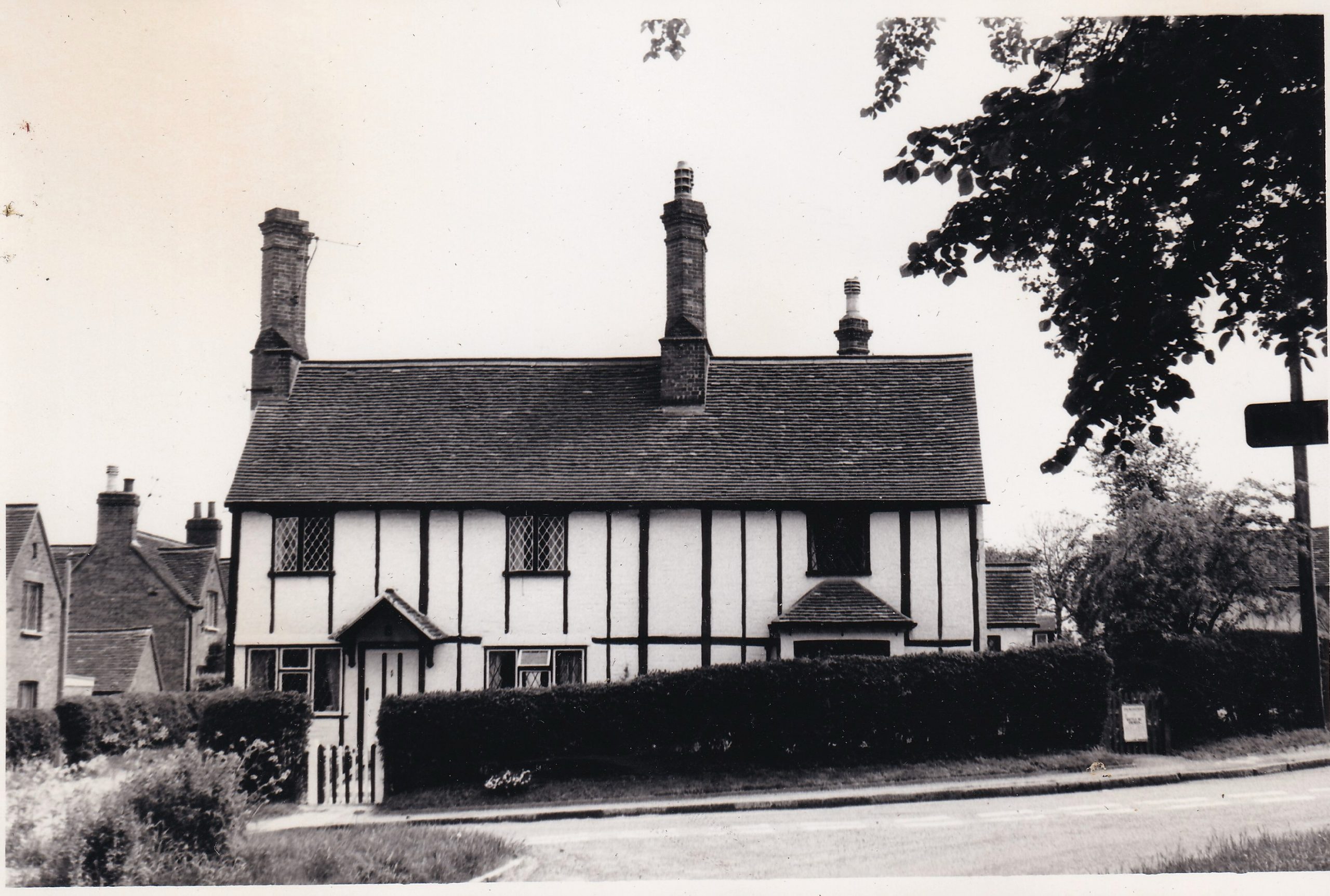
No. 28
The blacksmith’s cottage which was occupied by Mr. Owl (note: this is an error and refers to Mr. Howell) who was also the grave digger as he had the right name! He was unfortunately rather deaf but his eyesight was good otherwise he could not have worked as a blacksmith – or been an owl! The foundry is the long brick building at the rear which still has the old forge chimney.
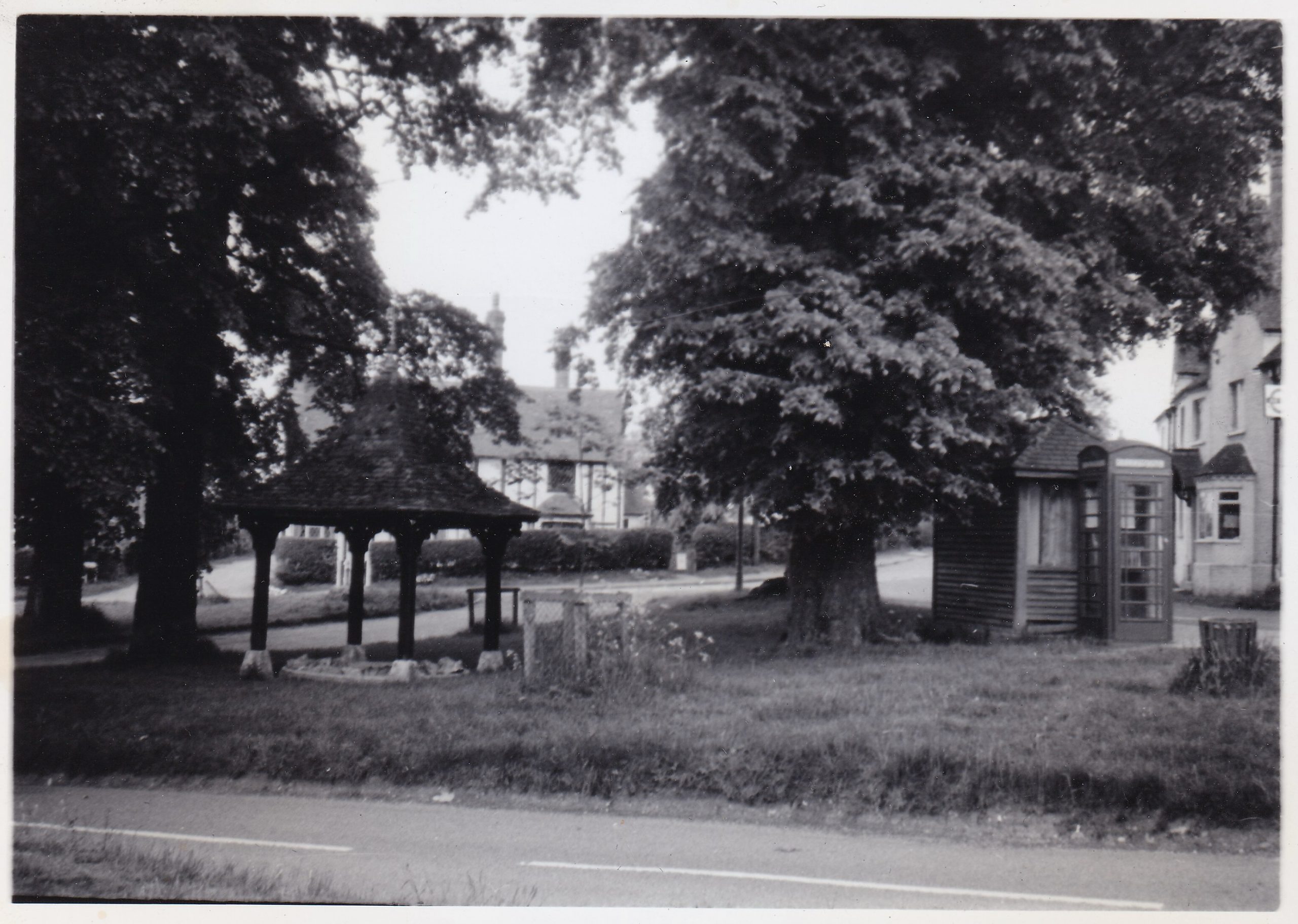
The Green
The small open-sided building used to be a fountain which was turned on when important guests were expected at the manor. The lime trees along the drive were planted by various members of the family.
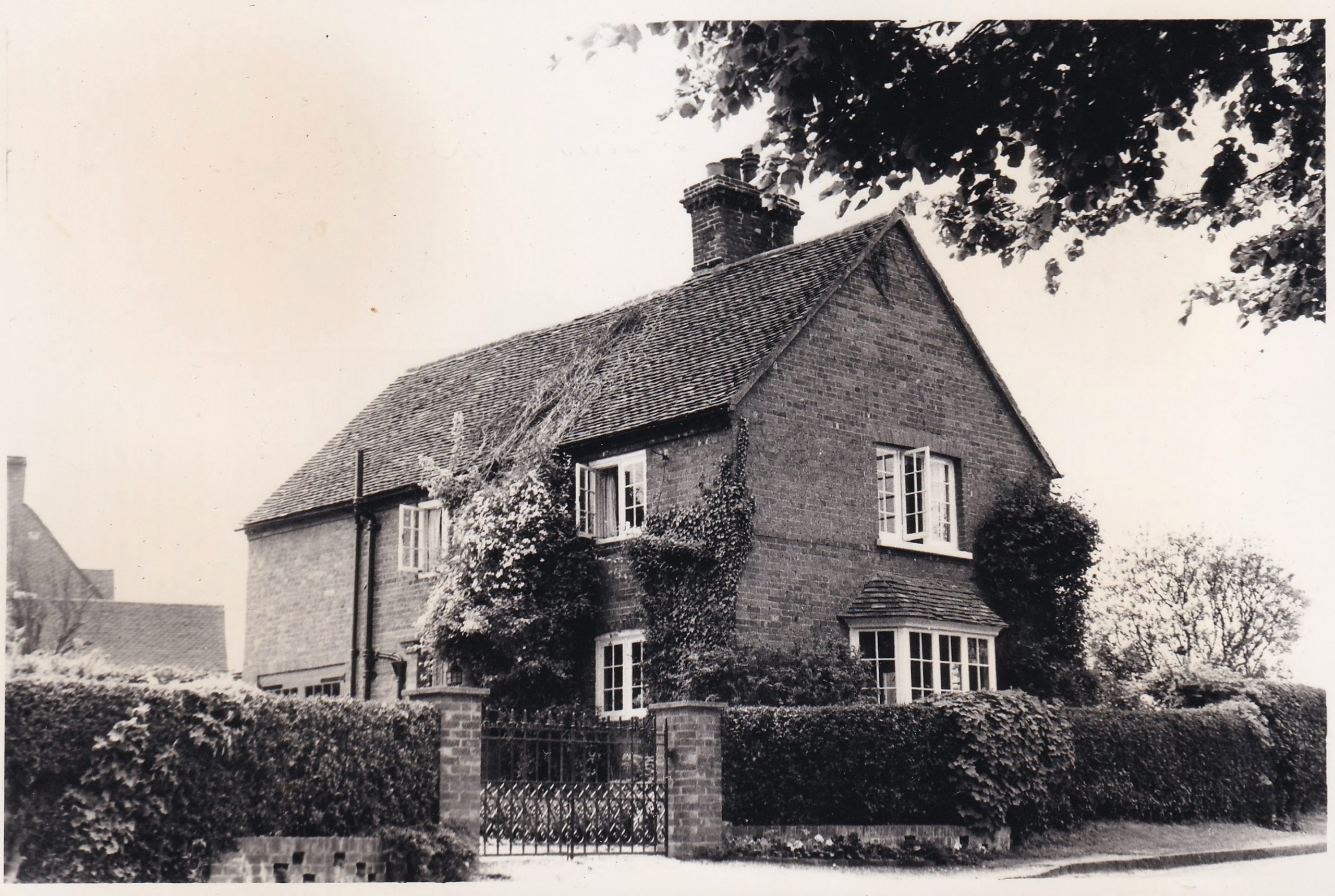
No. 41
This used to be occupied by Mr. Kelly the butler to Miss Russell. (Note that Rose Maling and Joy Atkins named him as Mr Kilby, which is correct).
This road up to the A404 used to be known as “Short Lane”.
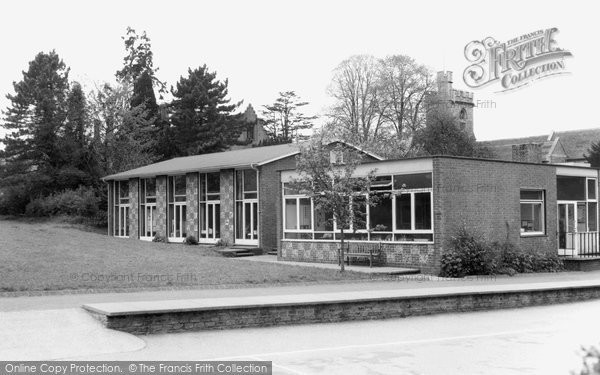
This has been considerably modernised since the 1800’s.
Behind the council houses in Bedford Close there used to be a foundry which moved to Aylesbury early in the last century.
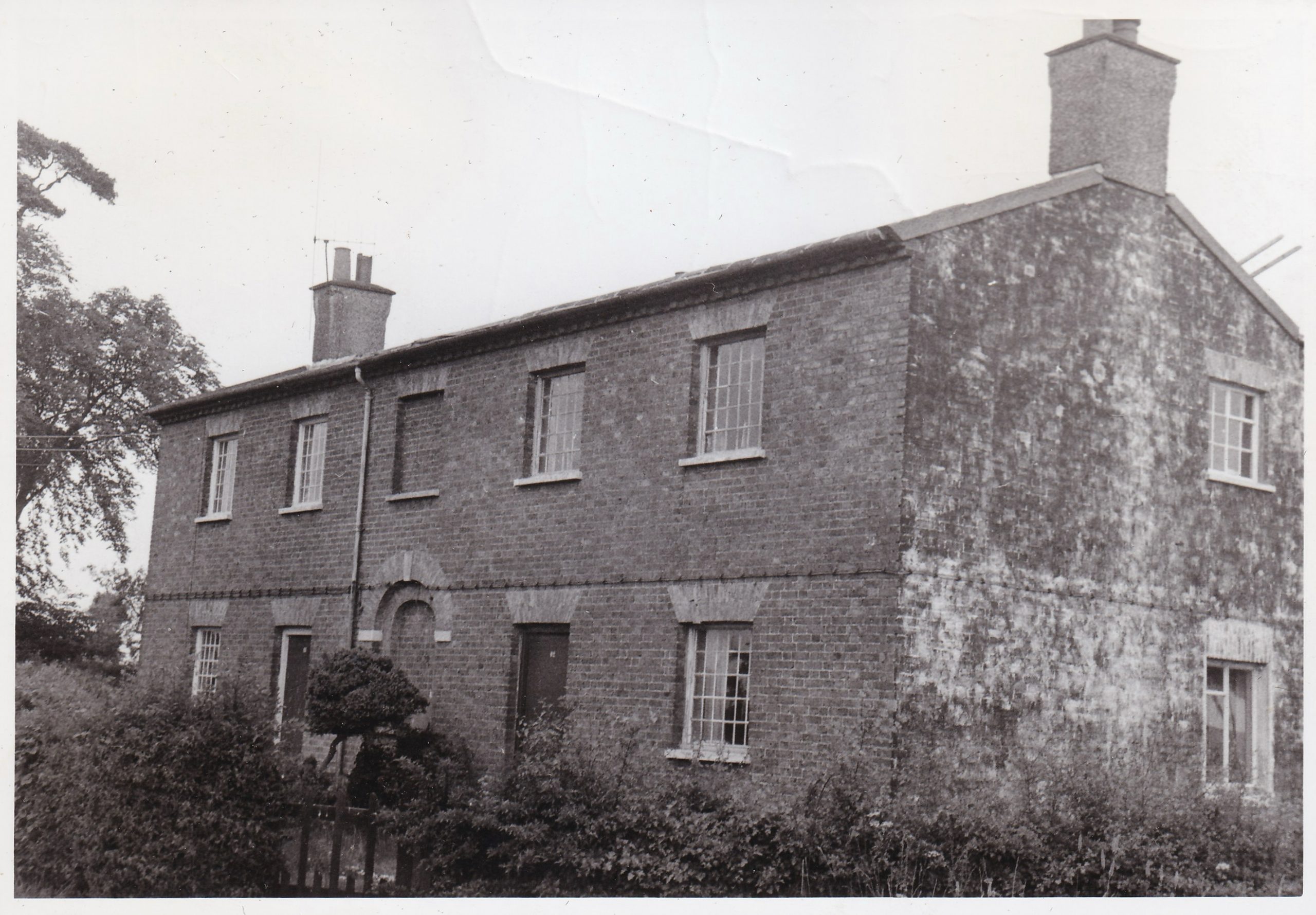
No. 62 and 63
Previously called “Claypits Cottages” and were believed to have been occupied many years ago as a “Rest House”, the entrance of which was under the arch in the middle of the building and is now bricked up.
content sources:
Letters written by Fred Smith to Joy Atkins (see above)
The Changing Face of the Village by J W Howie (see above)
contributor: Sandy Homewood, Rachel Bishop
date published: 29/04/26 updated: 29/05/26