

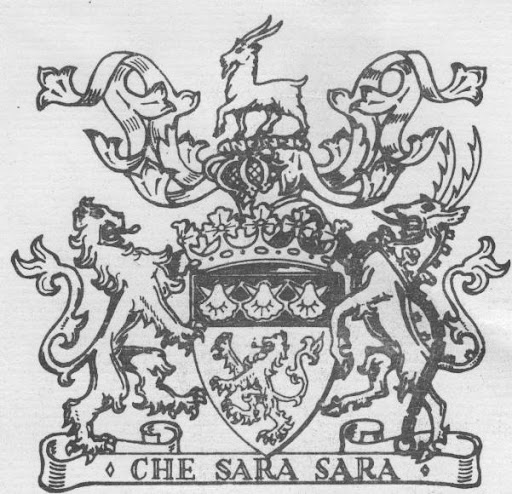
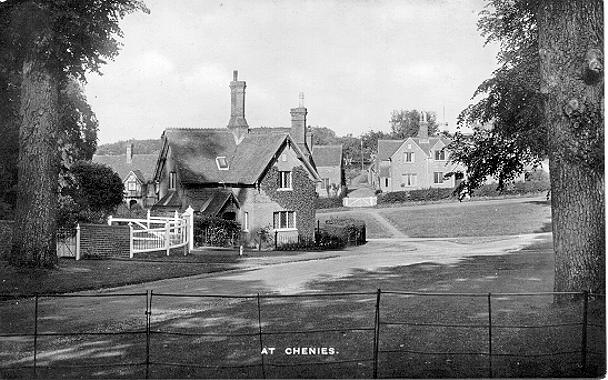
The Goat Inn dates back to medieval times and was named after the goat featured in the crest of the Bedford coat of arms. Located near the church and Manor house and on the edge of the village green the pub was the centre of social life for the villagers.
The innkeeper played an important role in the life of the village. He was required to provide food, drink and accommodation for travellers and to keep the peace on occasions. He was also responsible for village transport.
On Queen Elizabeth Ist’s visit and in her father‘s time, the Goat Inn was used by the crown courtiers.
In 1603 the plague came to Chenies, believed to be brought from a traveller to the inn. The burial records of the parish detail that between the 18th of August and the 22nd of October 14 people died including Anne Barfoot’s maid, a servant John and Edward, a son of John Barfoot and in the cottage attached to the inn, Alice, widow of Charles Row and mother Lovett also died. John and Anne Barfoot were the innkeepers of the goat in in 1603.
In 1778 Sam Austin was the innkeeper as well as the village constable, and ran a transport business. The Goat Inn finally closed in the early years of the 19th century probably about 1820. It was demolished and a new house (The Lodge) was built. During recent extensions to the house evidence of the presence of the Inn was found.
sources: Chorleywood, Chenies, Loudwater and Heronsgate, a Social History by Ian Foster
contributor: Rachel Bishop
date published: 15/02/2026