

The Bedford Arms Hotel: Origins and Early History
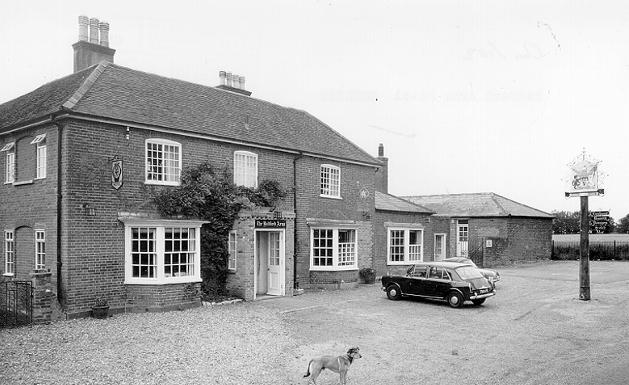
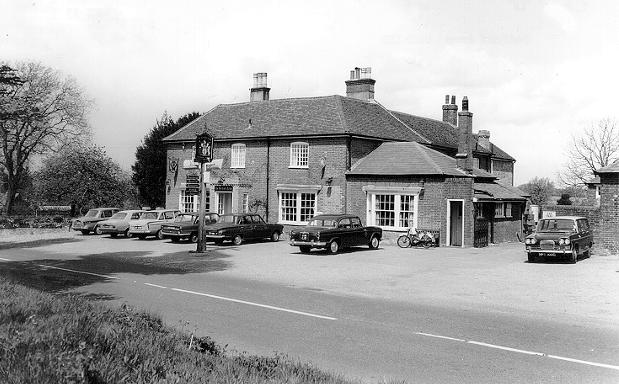
The Bedford Arms Hotel is a historic building in the village of Chenies, on the Buckinghamshire-Hertfordshire border. Originally a farm and part of the original Chenies Manor it had a succession of tenant farmers including the Hardings, the Shepherds and the Puddephats. At one time prior to 1735 it was known as Shepherd‘s Farm. The core of the building dates to 1842, when it was constructed (or extensively rebuilt). It was later converted into an inn with accommodation in the early 1900’s by Mr Goodson the landlord who always reserved rooms for the Duke of Bedford’s guests who came to fish the Chess.
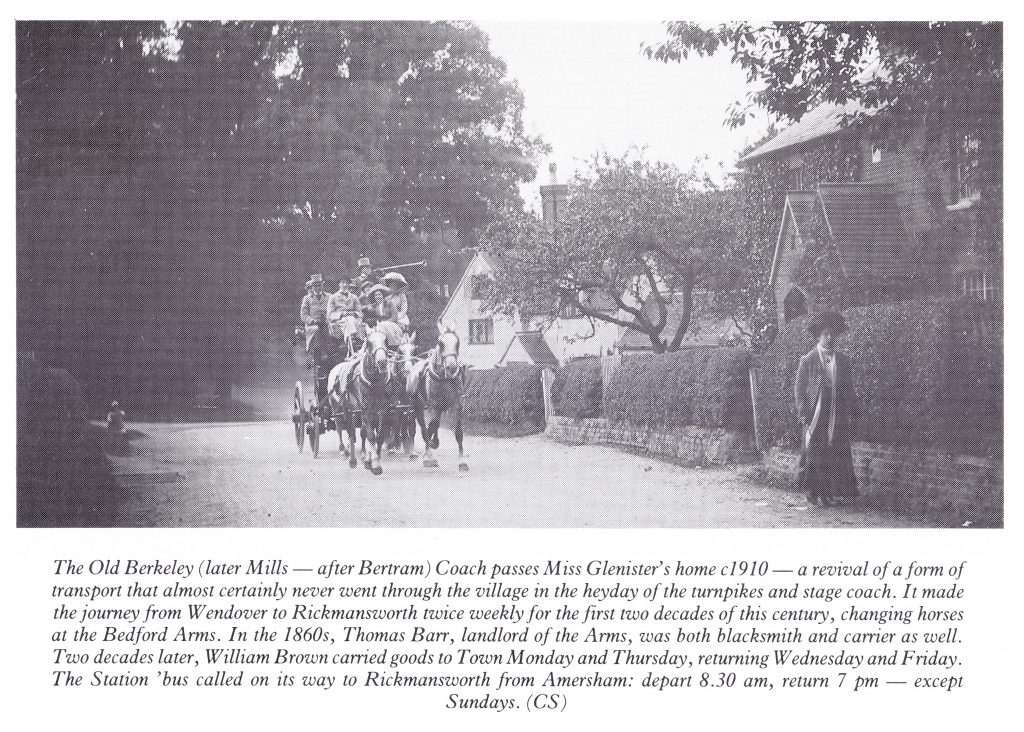
The Bedford Arms was used as the coaching inn from then on until after the first world war (previously this was the purview of the Red Lion). The Berkeley coach driven by four horses stopped at the Bedford on its way from Croxley and Rickmansworth to Amersham. The stables and coach house were in a single story building at the side of the inn. Here were kept horses which were used to pull the Broughams, Victorias and wagonnettes which were kept in the coach house. Sometimes a new horse was hitched to the Berkeley coach, but only if one of the team of four was lame or injured. A fire broke out at 10 am on Christmas Day 1972 and destroyed part of the upper storey. 25 staff and 10 guests owed their lives to the quick thinking and courage of manager Tom Blakeway, who was badly burned. Thirty firemen were needed to put out the blaze. The building was quickly restored, but evidence of the fire can be seen in the different tiles of the roof.
- 1735: Prior to this date the site was known as Shepherd’s Farm.
- 1842: The main structure dates from this period (much of the building you see today).
- 1930s: Converted from a house to serve as a small eating house and bar, rather than a full hotel.
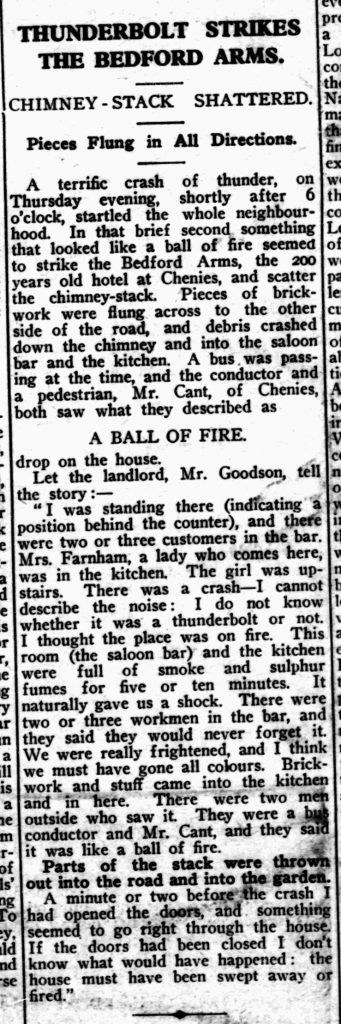
- 1934: A thunderbolt destroyed part of the chimney.
- 1957: The restaurant moved to its current location within the property.
- 1972: A fire destroyed part of the upper storey.
- 2000s: A new wing was added (2005), and later refurbishment in the 2010s upgraded it further as a hotel and event venue.
Frank Smith, who was born in the village remembers the Bedford from growing up here in the early 1900’s. He recalls:
Rooms were always reserved for the Duke of Bedford’s guests in the fishing season when they-went down to the mill stream on the Chess.
The old tap room (now the darts room) used to be frequented by the casual labourers who could not go home to lunch. They could cook their food on the fire; on wet days at harvest time they congregated in the tap room as there was nowhere else to go out of the rain. As casual labourers were often paid daily they would ask for a sub, because those who spent all their pay the evening before at the Bedford Arms would have nothing on the wet days for food or drink. The Changing Face of the Village, J W Howie
Chenies and the Russell (Bedford) Connection
The significance of The Bedford Arms’ name comes from Chenies’ long association with the Russell family, who held the titles Earl of Bedford (and later Duke of Bedford) for centuries.
Although the Russell family left Chenies as their principal residence centuries earlier, their imprint remains. The hotel’s name preserves this association — linking it to the historic local landowners for whom the manor, village, and estate were central parts of their heritage. Chenies Manor House was once their seat and a significant Tudor estate. The Bedford Chapel in the village church contains memorials and tombs of many Dukes of Bedford.
Today the Bedford Arms is a fine hotel with bars and restaurant.
content sources:
The Bedford Arms
Chorleywood, Chenies, Loudwater and Heronsgate, a Social History by Ian Foster
The Changing Face of the Village, J W Howie:
contributor: Rachel Bishop
date published: 07/02/2026