

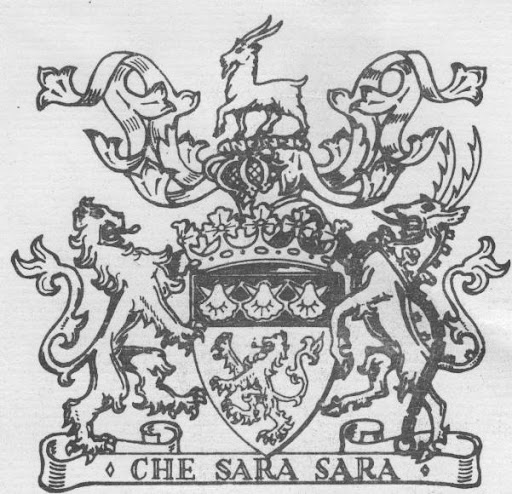
We are beyond delighted to introduce you to two new features on our website. We have been hard at work behind the scenes to create an interactive timeline and map to allow exploration of Chenies history through different mediums.
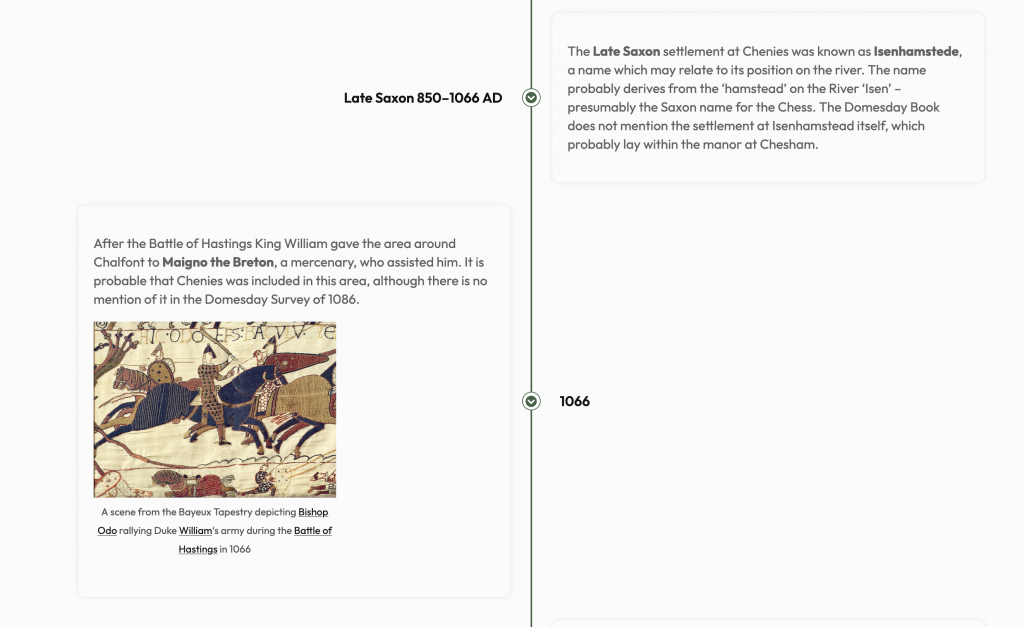
Our Interactive Timeline gives a visual overview of the history of the village from its Roman and Saxon origins up until the present day. Scroll through to see an overview of our changing village and find out more from the links.
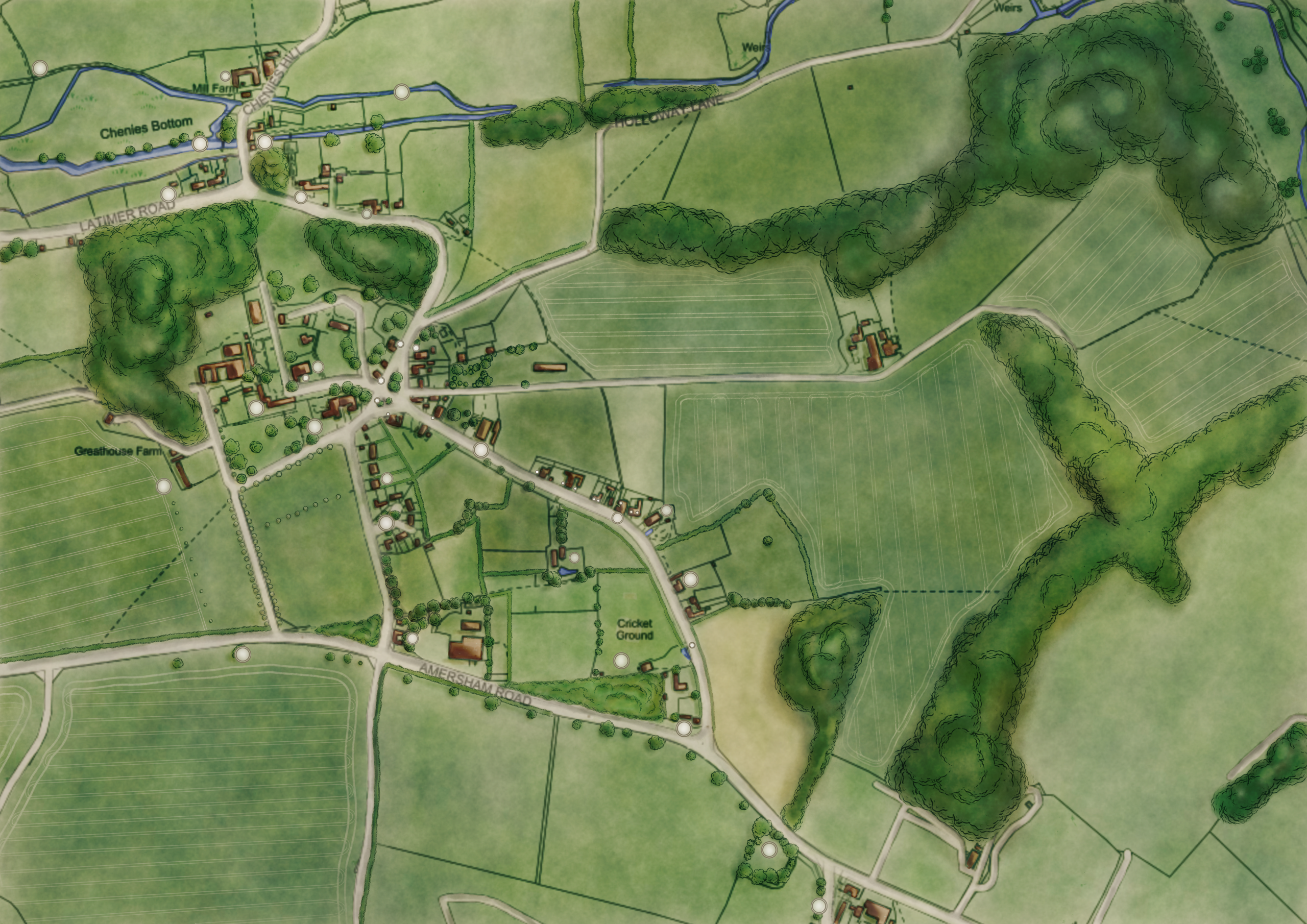
Our Interactive Map allows you to explore Chenies visually, with pinpoints to highlight important buildings and areas documented on the site. Clicking on the map will allow you to find out more about each place, and provides links to further information. This map has a permanent place that can be accessed from our dropdown menu under ‘Places’. We would love your input in adding more information to our map, if you have photographs or historical excerpts to add then please send them to our email address, contact@chenieshistory.org.
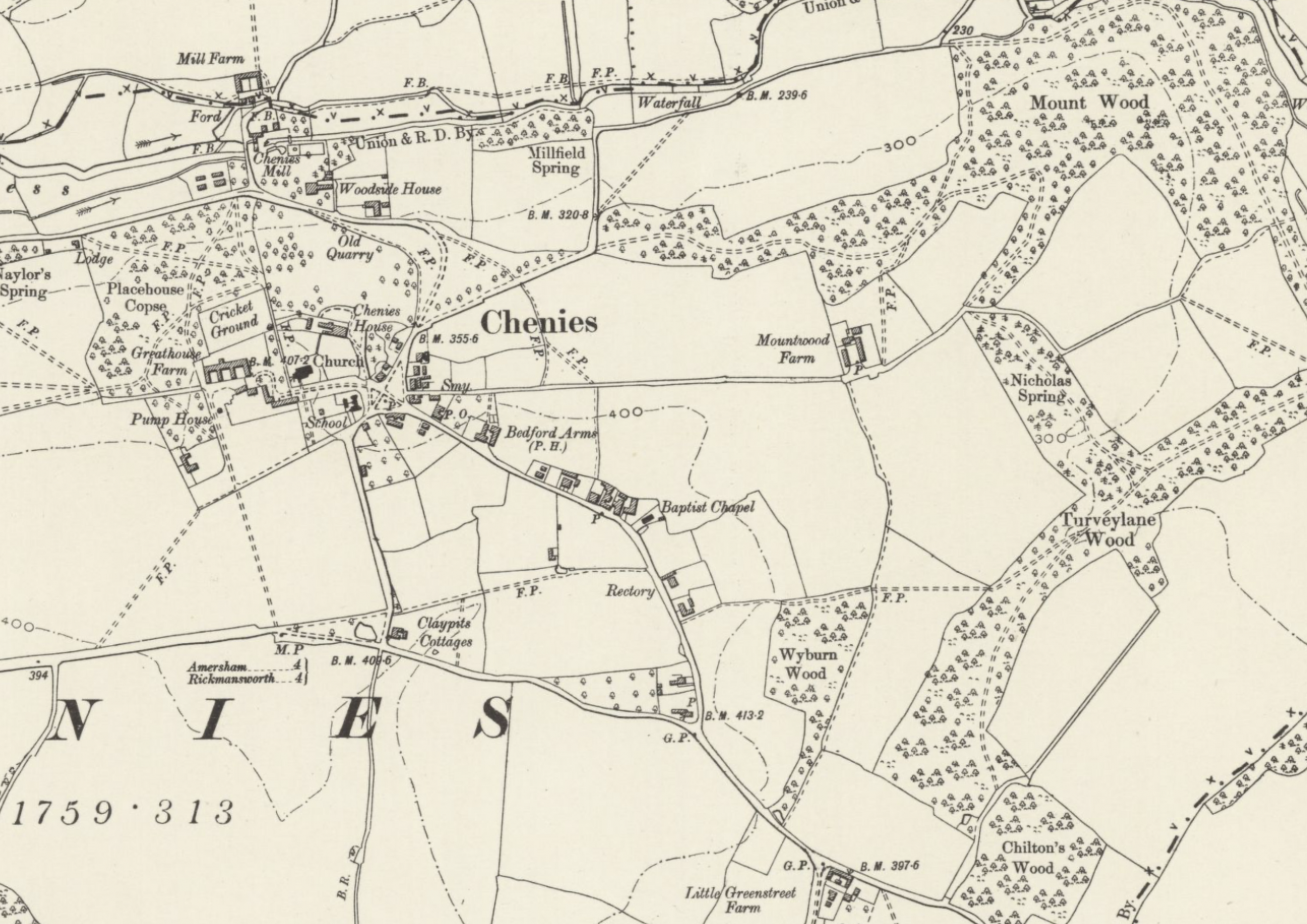
You can view our historical maps here.
Chenies Map
Click on a place to find out more information. (Note: not all clickable areas have a white marker).
Manor House
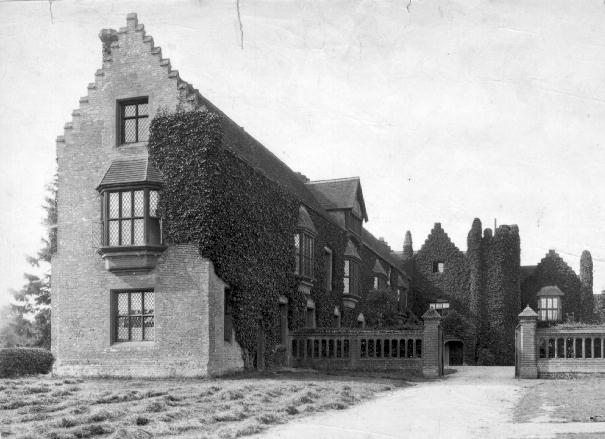
The present Manor House was built by Sir Thomas’s descendant Sir John Cheyne in 1460, although a building was present on the site before this.
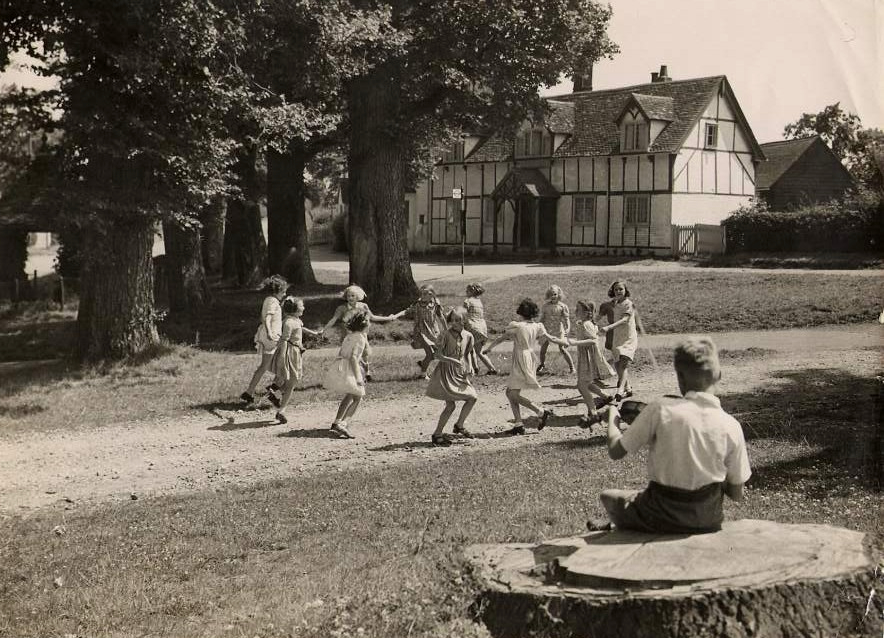
Chenies School
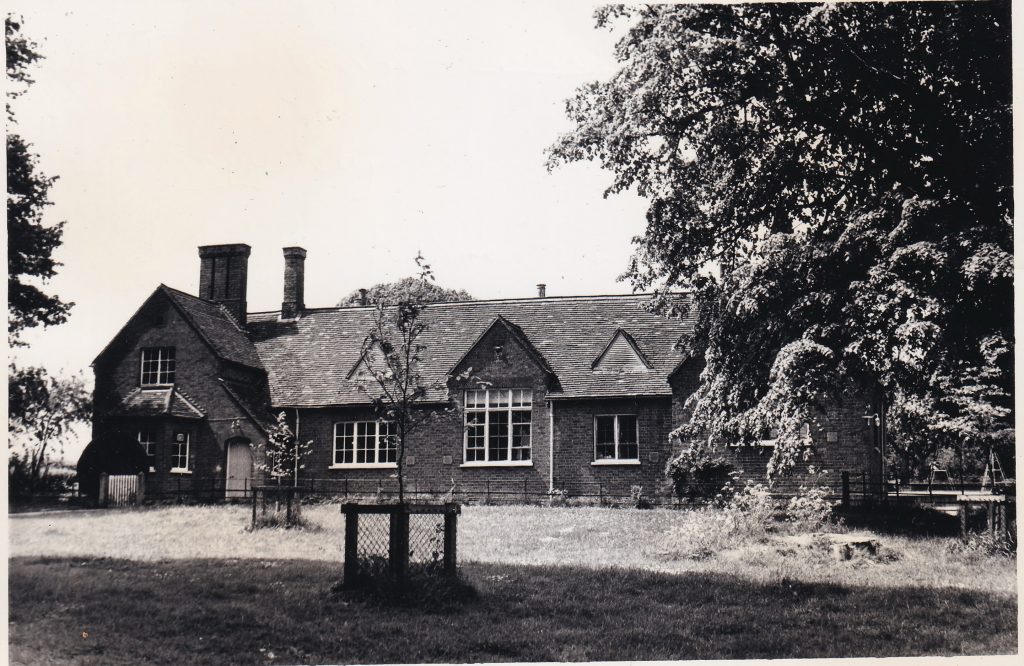
Chenies School has a history which it can be proud of, stretching back over 170 years.
In 1831 the first iteration of the school was first held in Lord Wriothesley Russell’s kitchen in the Rectory, and in 1845 The Duke instructed an Infant School to be built at what is now known as No 49 Chenies (Field Cottage). It carries a Bedford crown and the date 1845.
In 1887 the oldest part of the present school building was built on the instruction of Anna Maria, the wife of the 7th Duke of Bedford to educate the children on the estate, and quickly became very highy regarded.
Though the school went through some challenges in the 1930’s and 40’s, it grew and continued to thrive throughout the war years and continues to educate pupils to this day.
Bedford Close
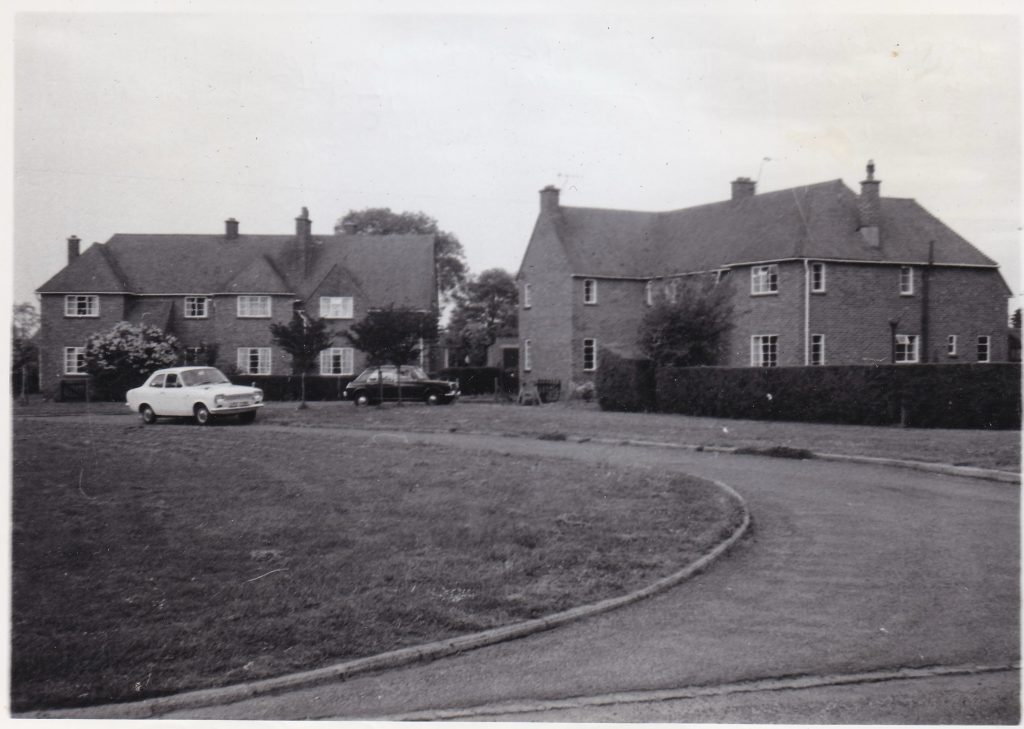
Information to come
Dodd’s Mill
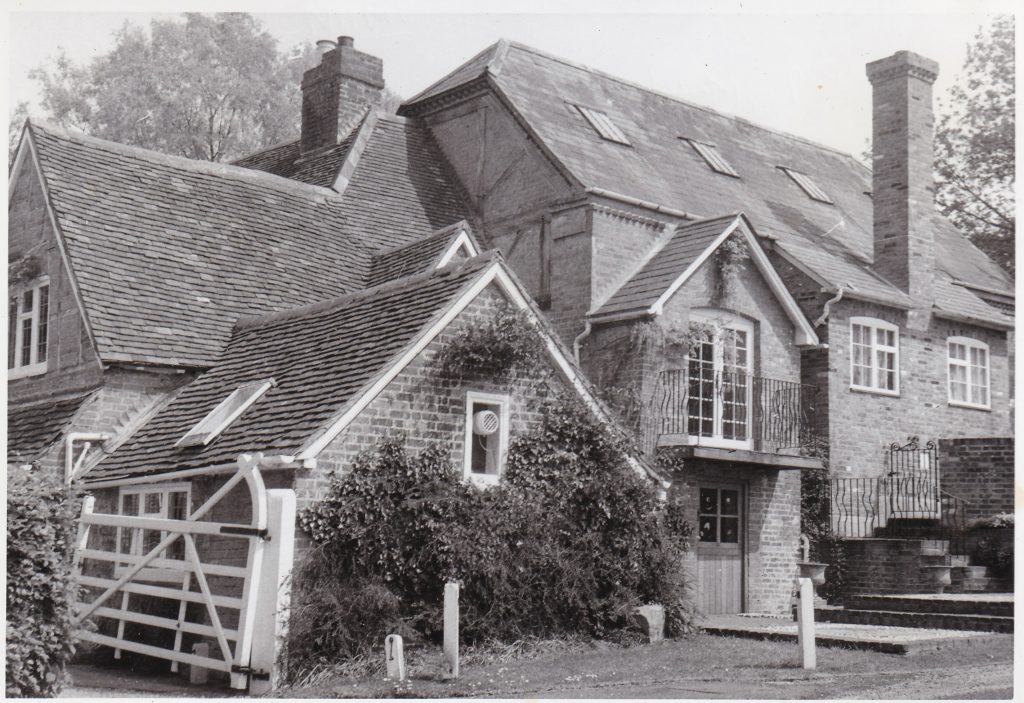
As early as the 12th century a mill functioned in Chenies as a ‘fulling mill’ for the cleaning of cloth. Over time the Chess Valley began a tradition of paper making with Dodds mill manufacturing paper. Dodd’s Mill took its name from the Dodd family who took a 21 lease on the mill from the Duke of Bedford between in 1739.
The Manse
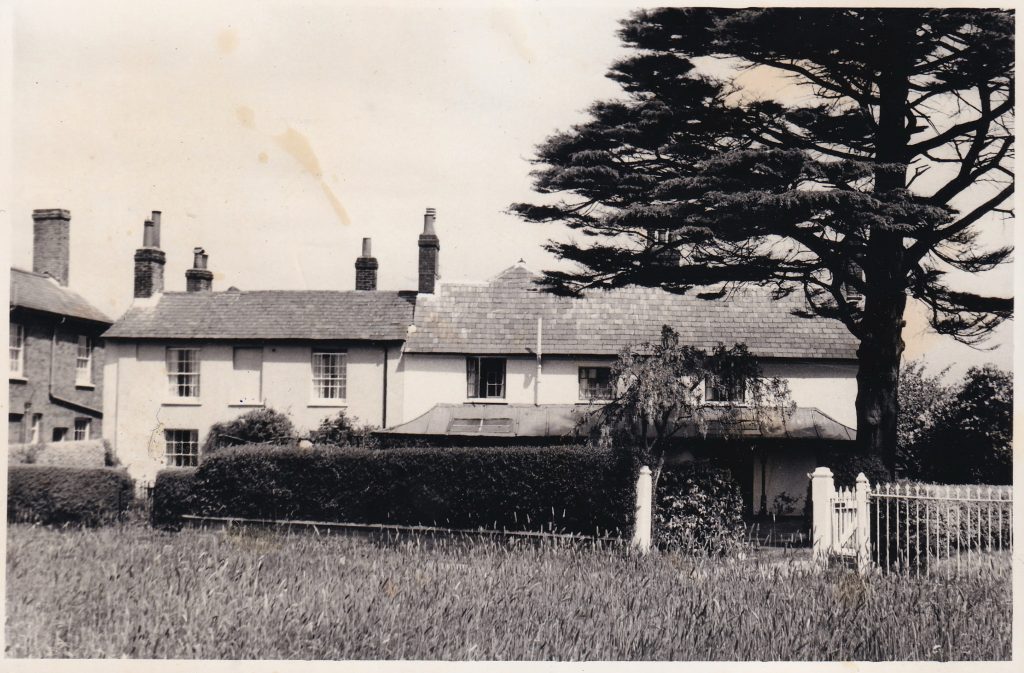
The Manse was part of the original plot of land bought by John Davis in 1775, the then steward of the Manor, and gifted to the non conformists on which to build their new meeting house. Dissatisfied with the actions of the Rector at St Michael’s, and held in high esteem by the Duke of Bedford, Davis bought two cottages and the field on which the Chapel now stands and placed them into the hands of the church trustees.
The existing cottages were pulled down and the present Manse and adjoining house (Kingscote) were then built. William Davis himself lived in the house next to the chapel, and gave the other (now ‘Kingscote’) for the Manse, but later his house became the Manse instead.
At one time the Manse was known as ‘Rose Cottage’.
Kingscote
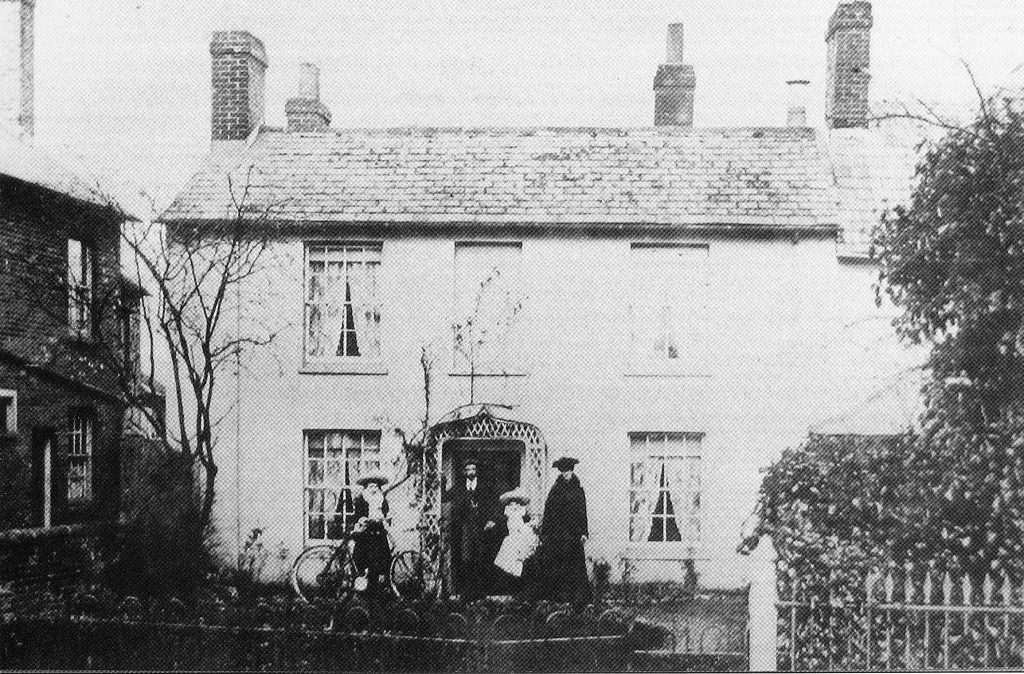
Kingscote cottage was part of the original plot of land bought by John Davis, the then steward of the Manor, and gifted to the non conformists on which to build their new meeting house. Dissatisfied with the actions of the Rector at St Michael’s, and held in high esteem by the Duke of Bedford, Davis bought two cottages and the field on which the Chapel now stands and placed them into the hands of the church trustees.
The existing cottages were pulled down and the present Manse and adjoining house (Kingscote) were built. Initially Kingscote housed the minister, whilst Davis kept the cottage in between for himself and his family, however Kingscote is now a private dwelling and the cottage and garden lying between it and the Chapel became the church Manse.
The Red Lion
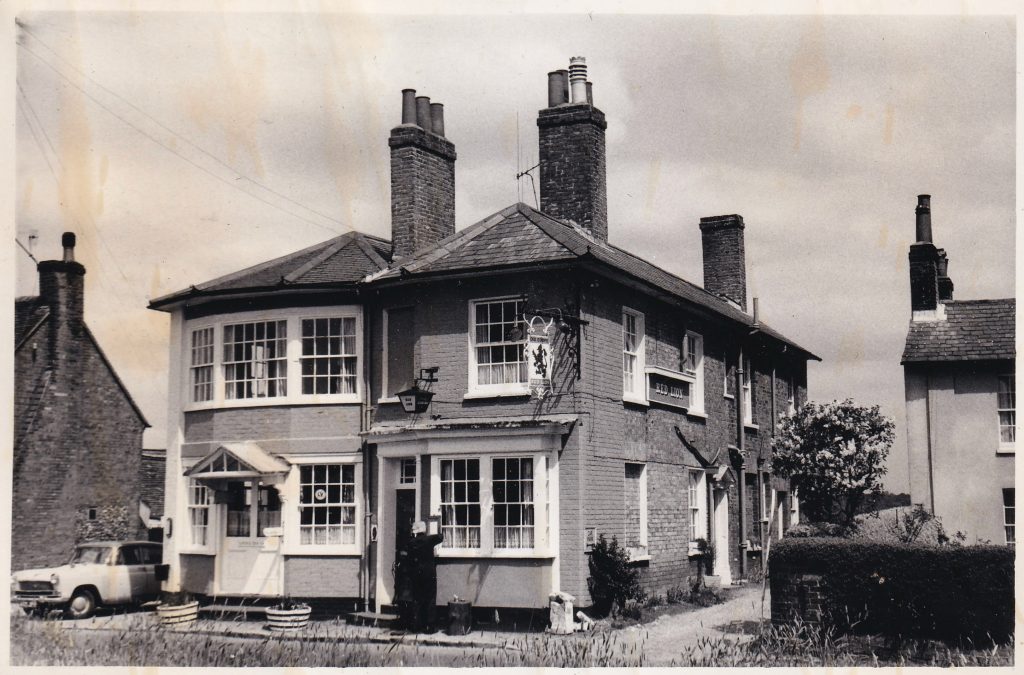
Originally The Red Lion was a coaching inn on one of the main routes out of London. The pub’s name is likely a reference to the Russell family’s red lion arms, which were displayed on the family’s manor house in Chenies. This pub received grade II listed building status on 30 July 1984.
The Red Lion was originally tied to Benskin’s Watford Brewery Limited. Benskin’s was Founded by 1722 by John Pope of New Street, Watford. It moved premises to the High Street in c1820 when Pope’s great-grandson John Dyson was in charge. The brewery was purchased in 1867 by Joseph Benskin for £34,000. At the time the brewery had 42 public houses tied to it. Benskin’s was registered in July 1894 and was acquired by Ind Coope Limited in 1957. Brewing ceased in 1972 and in 1978 the brewery buildings were demolished but the brewery offices were converted into the Watford Museum.
“Casual labourers would often spend all day when it was wet in the tap room at the rear. During the harvest on such occasions they would ask for a sub having spent all their money the day before here or at the Bedford Arms.” Memories of Frank Smith, early 1900’s, from The Changing Face of the Village J W Howie
The Old Rectory
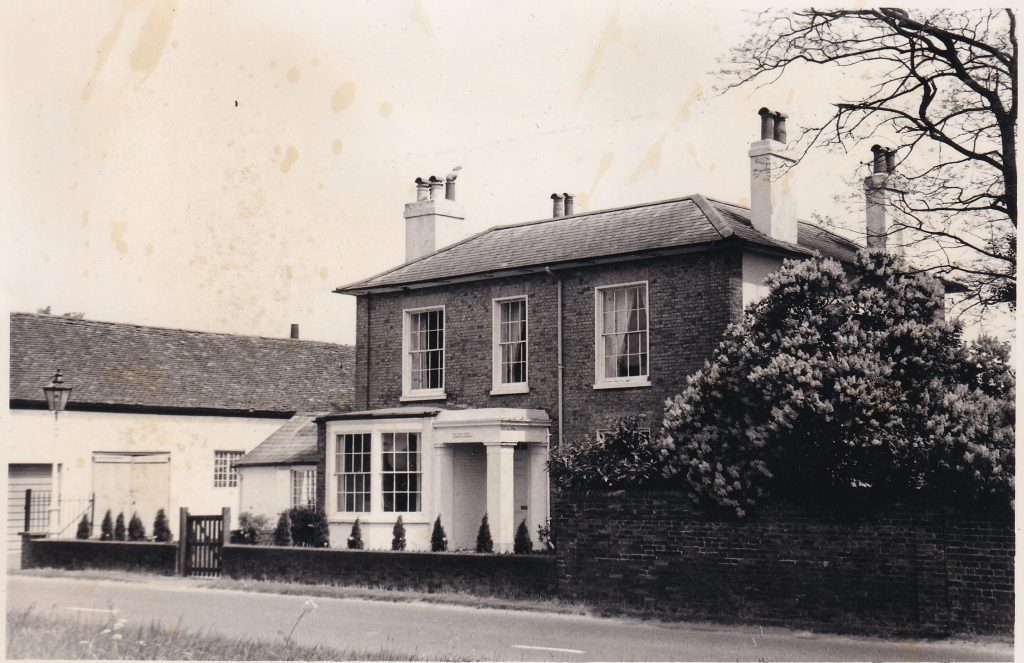
Memories of Frank Smith, early 1900’s, from The Changing Face of the Village J W Howie:
This was occupied by the rector until the new and more modern one was built near the church. The first foor of the building at the side (now a garage) was the parish room where many a party took place years ago.
Shep Whites
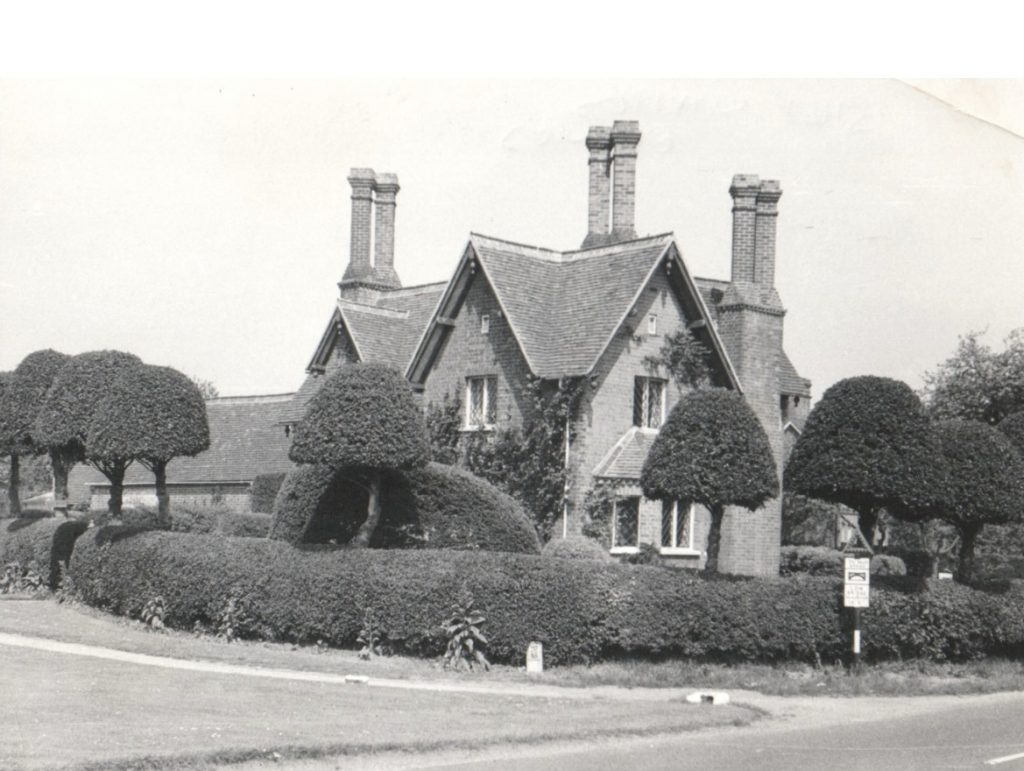
Frank Smith, recalls that in the early 1900’s, Shep Whites was the “Residence and office of the Duke of Bedford’s estate agent who had approximately 10 men working on the estate to check up on the property and put things right if possible. Farmers came 10 pay their rent to him in a room al the Bedford Arms!“
The slightly later memoirs of Tim Ashby relate his experiences of living at Shep Whites in the 1950’s. Named by his father, the house cost £3,250 in 1953, and the local policeman used it as a base to phone headquarters. He remembers selling eggs and having to clean out the well in the garden.
A Census for Shep Whites can be viewed on Tim Ashby’s page in the Village Memoirs.
Almshouses
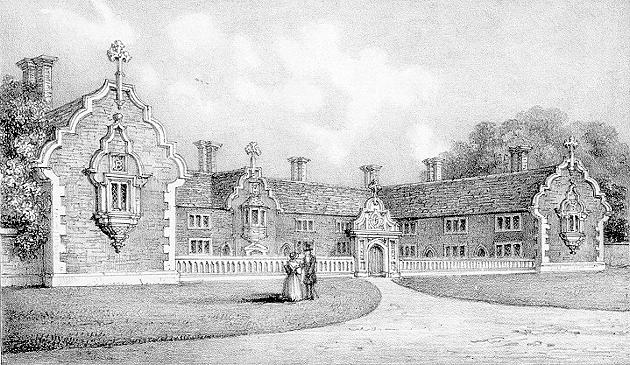
The Countess of Warwick, daughter of the 2nd Earl of Bedford, established the earliest recorded social services in Chenies, the Almshouses in c.1605. The almshouses were built to house old people from three Parishes, four men and six women, eventually expanding to 72.
Eventually the almshouses were bought by the Duke of Bedford, the money going to the trust. He intended to convert them into cottages, due to public backlash instead pulled them down about the year 1888.
Village Pond
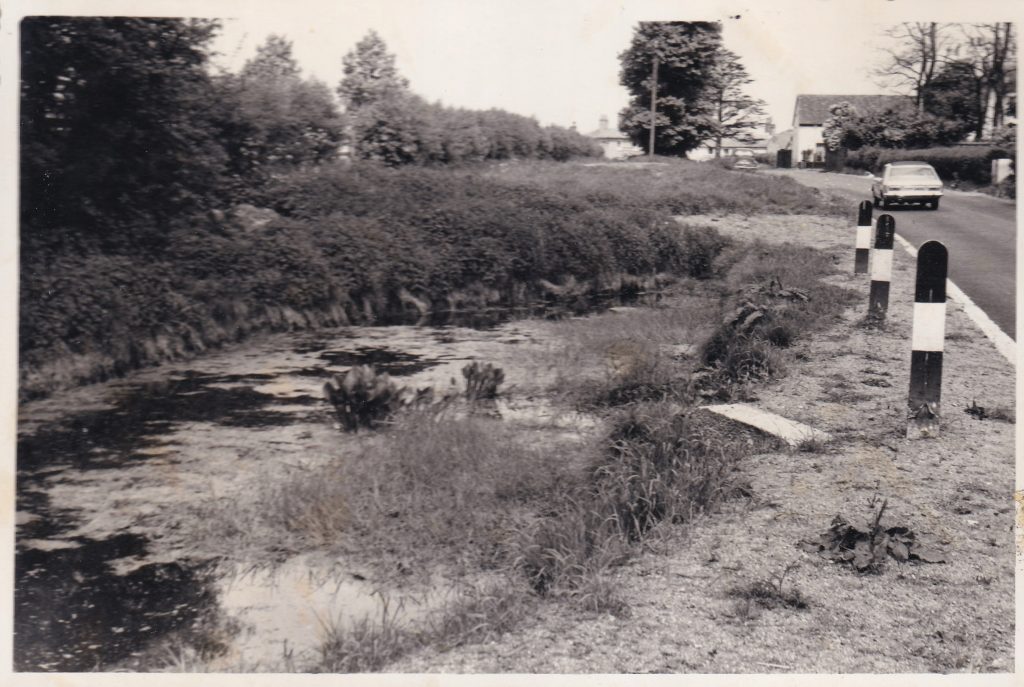
Memories of Frank Smith, early 1900’s, from The Changing Face of the Village J W Howie:
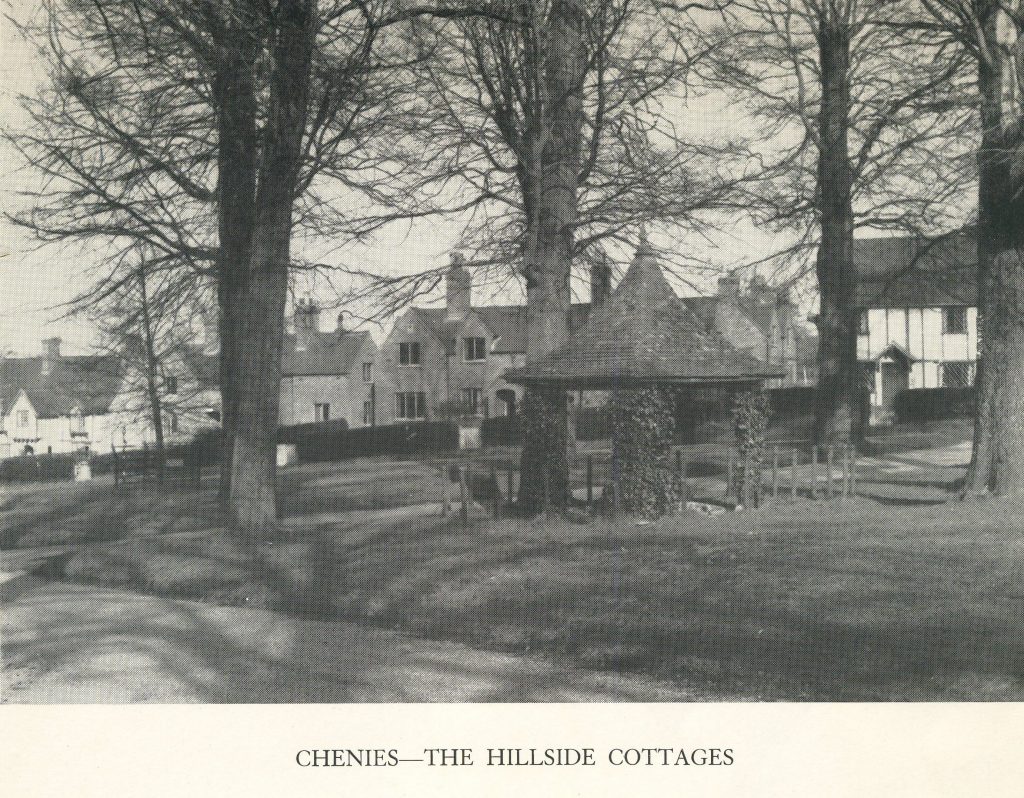
Here is the Horse Pond, much larger in those days – horses could walk in and drink.
Cricket Club
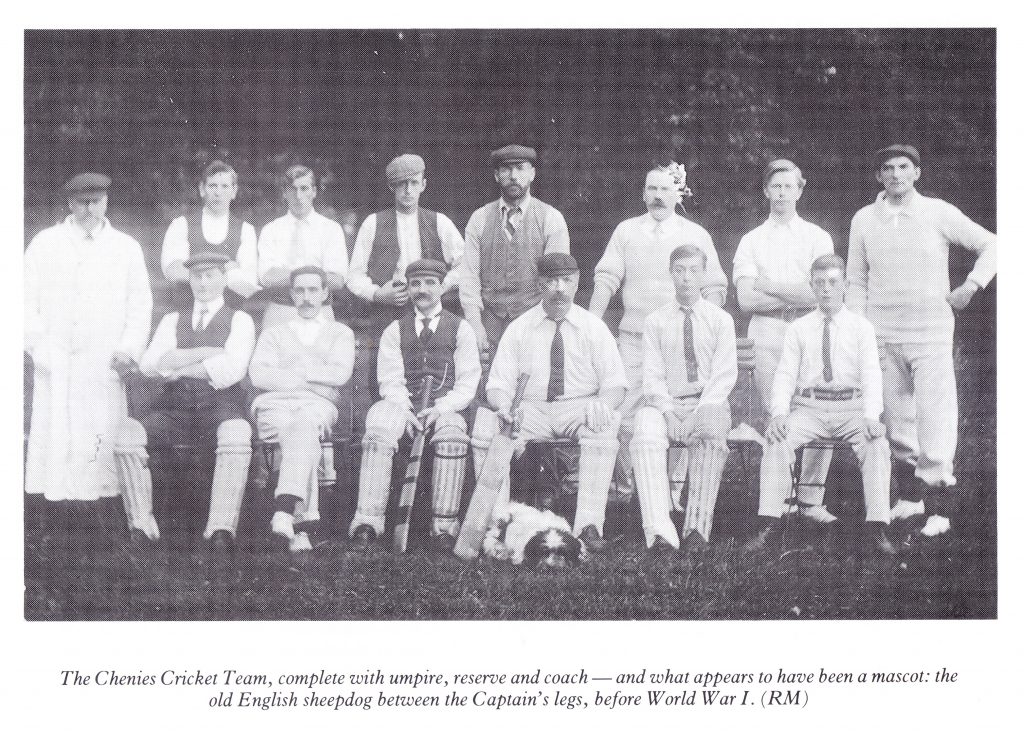
A Cricket Club in Latimer has existed since at least 1878, and records showing Chenies Cricket Club recorded in the minuttes date from 1898. The two clubs regularly played one another before being amalgamated in 1909 and birthing the Chenies and Latimer Cricket Club as it is still known today.
The 2nd World War interrupted play for 5 years, after which the new ground was purchased.
The Baptist Chapel
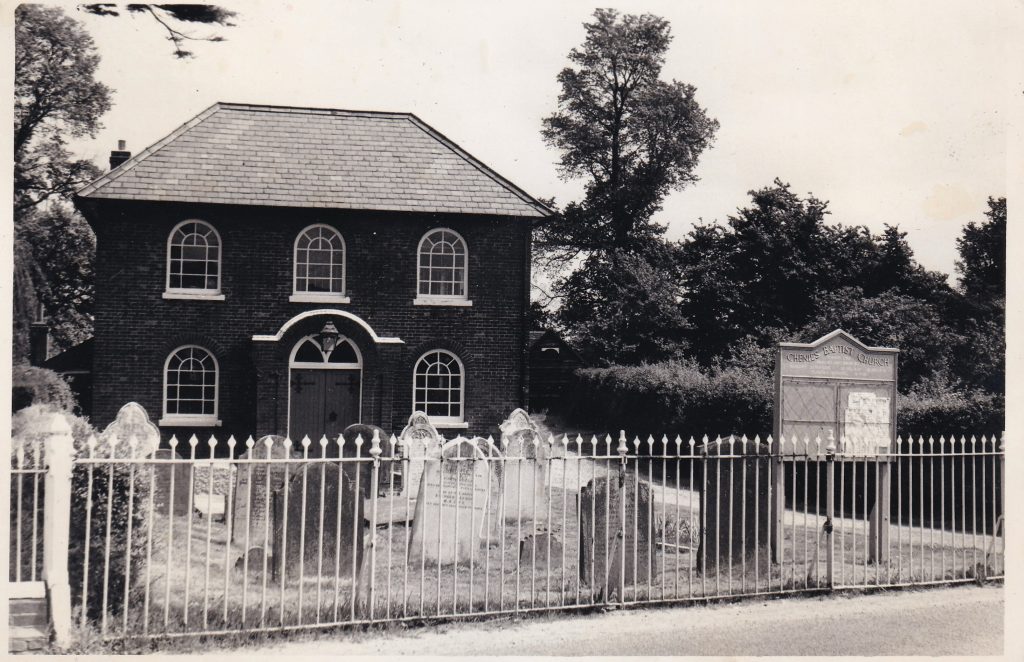
Chenies Baptist Church has been a place of Christian worship for over 250 years, with non-conformists in Chenies first meeting in Green Street before the Chapel was constructed in 1778.
Growing discontent with the rector of St Michael’s, John Davis, the then steward of the manor, bought the land now housing the Chapel and Manse and leased it to the trustees.
The chapel of 1778 is still clearly recognisable today, and continues to hold weekly services.
Banner Rest
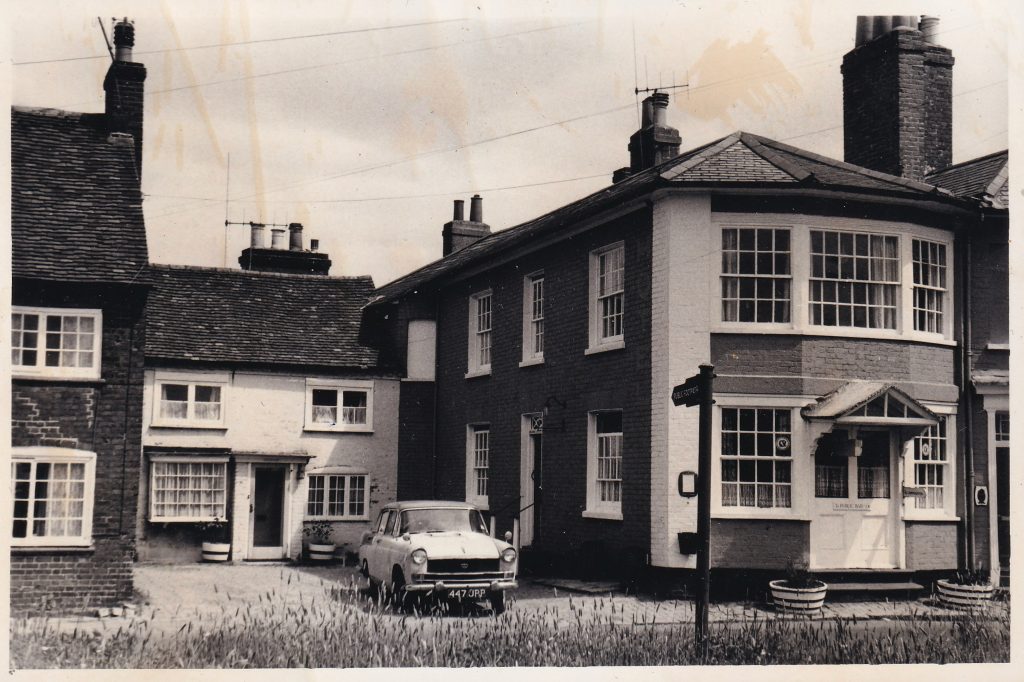
Once the original Red Lion pub, this house became a general store in the early 1900’s, and a private house in 1932.
Frank Smith remembers; “This was the village store that sold everything and was run by Clara Kentish and her mother. There was grocery of every kind, haberdashery, oil for lamps (my bicycle).”
Grafton Cottage
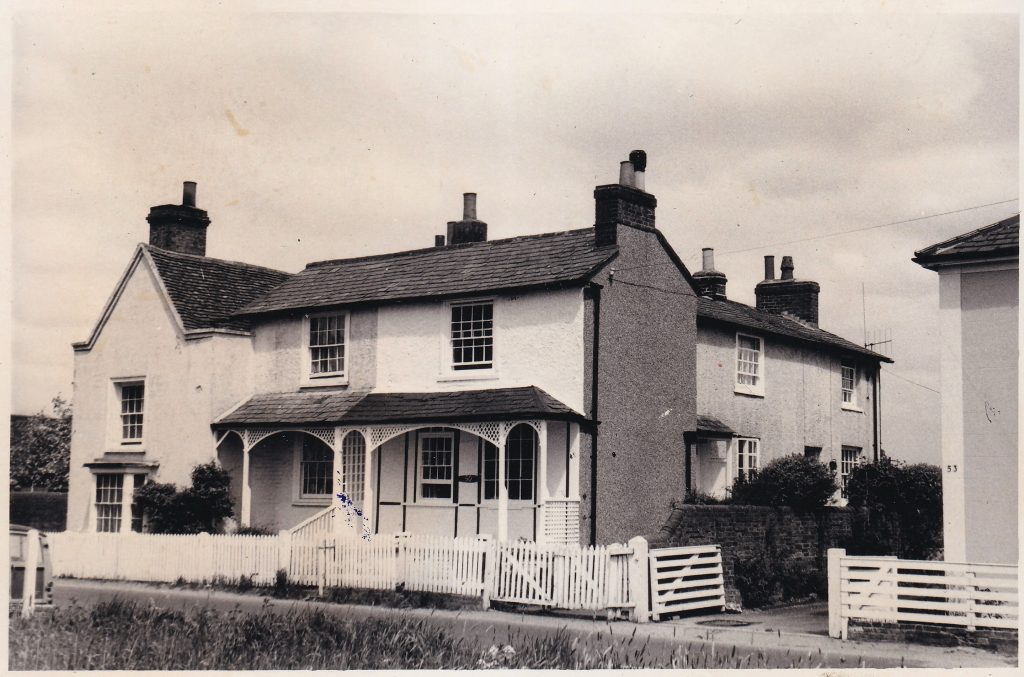
Once a turners shop with stables and a yard (1735). The Beer House Act of 1830 prompted a number of houses in Chenies to sell (and brew) ale, and this was the site of The Swan Inn for a short time.
Plough Cottage (52)
The Beer House Act of 1830 prompted a number of houses in Chenies to sell (and brew) ale, and this was the site of The Plough Inn in 1860. It was still in use for a short while after the Second World War, as remembered by Frank Smith.
Frank also notes that the rear of of numbers 51-52 ‘At one time the small cottage was occupied by a poacher (part time); one day the house was searched by a constable, but they found nothing as his wife had several joints of mutton tied up under her bustle. This was in the days when the punishment was transportation to Australia’.
(On the left of the photo)
Home Close
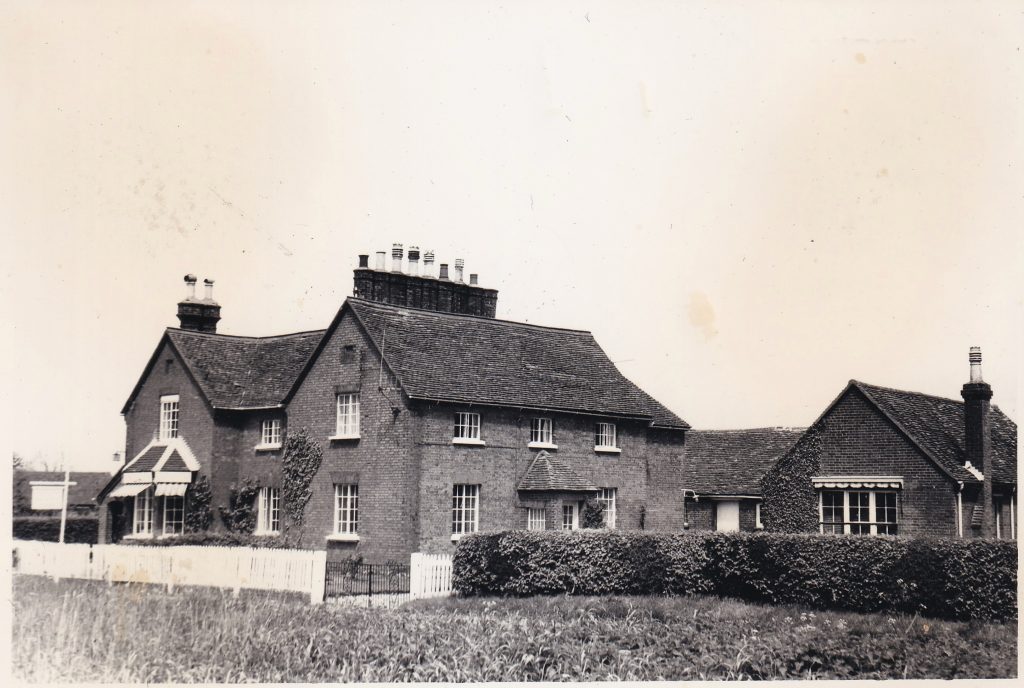
Memories of Frank Smith, early 1900’s, from The Changing Face of the Village J W Howie:
Mr. Hughes the butcher lived here and the single storey brick building at the side was the shop with slaughterhouse behind – used for the odd sheep or pig.
Old Village Shop
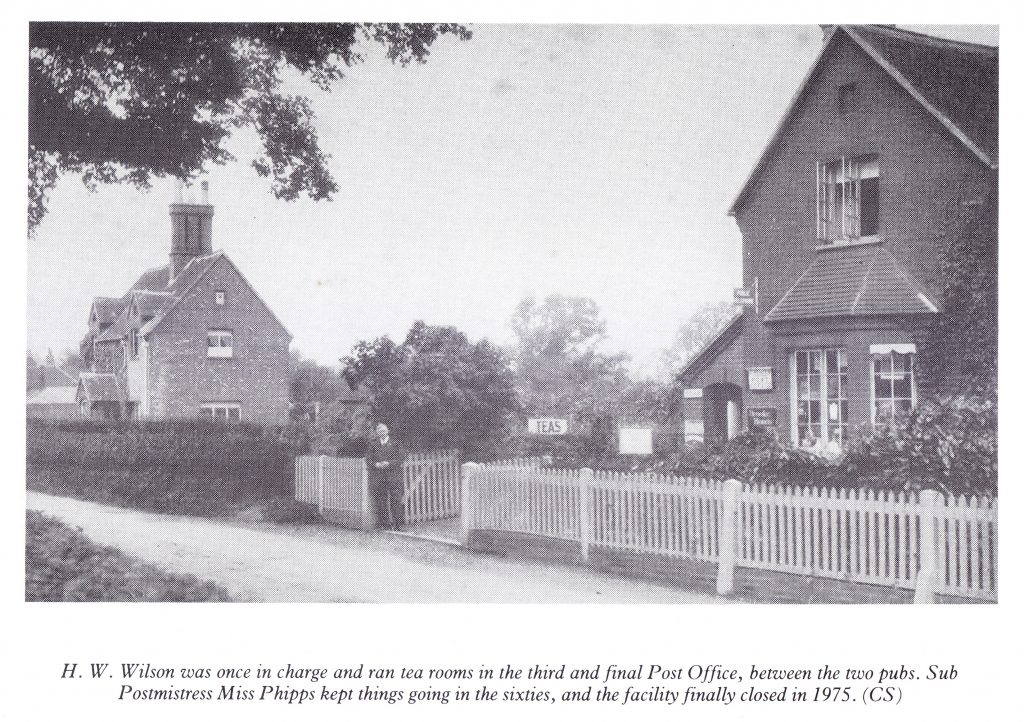
Field Cottage (49)
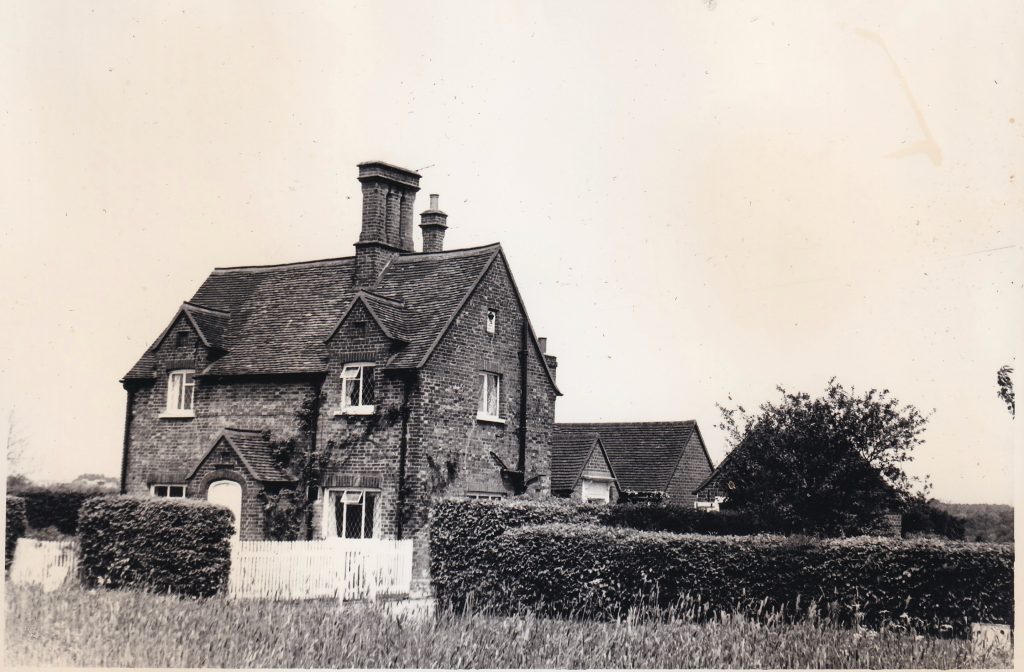
In 1845 The Duke of Bedford instructed an Infant School to be built, this was what is now known as No 49 Chenies (Field Cottage, on the left), it carries a Bedford crown and the date 1845.
Memories of Frank Smith, early 1900’s, from The Changing Face of the Village J W Howie:
This was the infants’ school where my mother went between 1865 and 1870.
They played in the shed at the side which has long since been demolished.
Isen Barn
The Bedford Arms
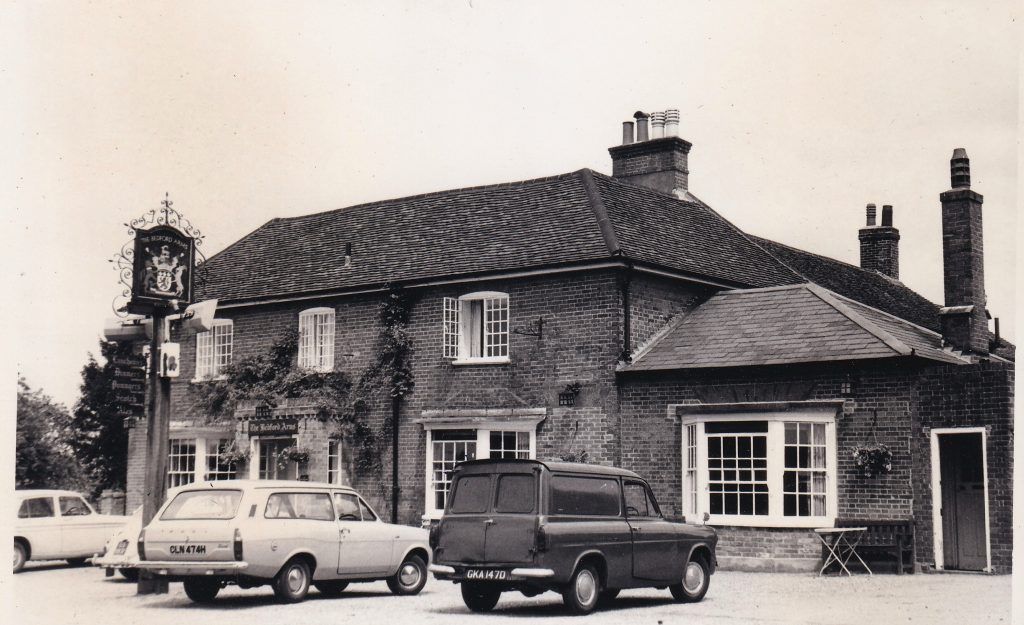
Memories of Frank Smith, early 1900’s, from The Changing Face of the Village J W Howie:
Rooms were always reserved for the Duke of Bedford’s guests in the fishing season when they-went down to the mill stream on the Chess.
The Berkeley Coach drawn by four horses stopped at the “Bedford” on its way from Croxley and Rickmansworth to Amersham. The single storey building at the side used to be the stables and coach house where there were broughams, victorias and waggonettes.
The old tap room (now the darts room) used to be frequented by the casual labourers who could not go home to lunch. They could cook their food on the fire; on wet days at harvest time they congregated in the tap room as there was nowhere else to go out of the rain. As casual labourers were often paid daily they would ask for a sub, because those who spent all their pay the evening before at the Bedford Arms would have nothing on the wet days for food or drink.
Number 30 and 31
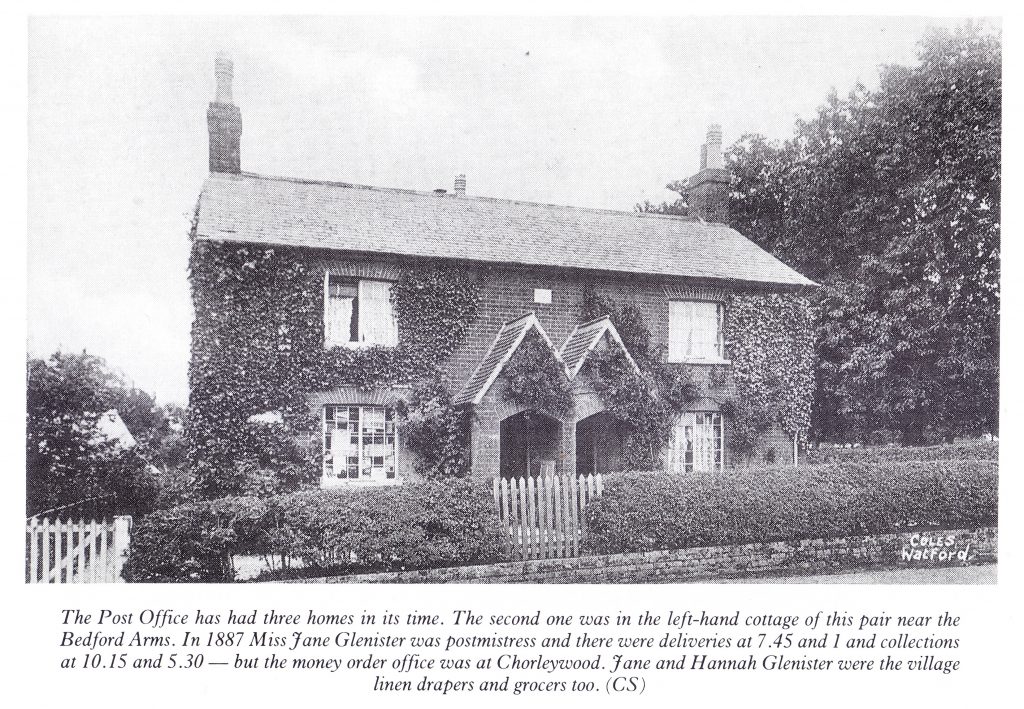
Memories of Frank Smith, early 1900’s, from The Changing Face of the Village J W Howie:
This (30) was the Post Office until 1910 and also sold sweets, soft drinks and some groceries and haberdashery; Miss Glenister who ran it often did not get up very early in the morning and on such occasions the maid would serve the children with sweets on the way to school when they received very good weight – she would tip up the jar to fill the bag – a good farthingsworth of “dolly mixtures”!
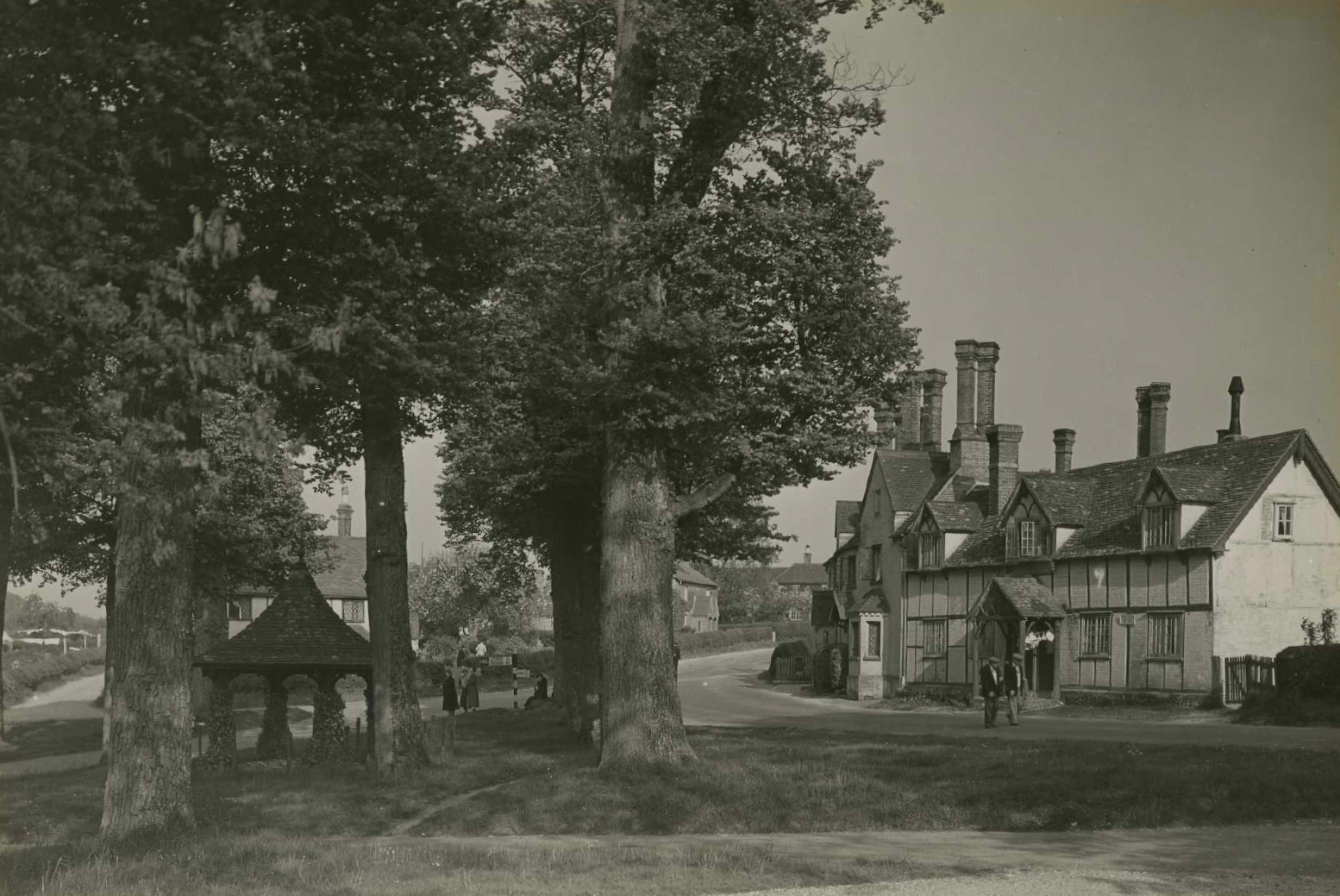
The Village Pump
Old Well Cottage
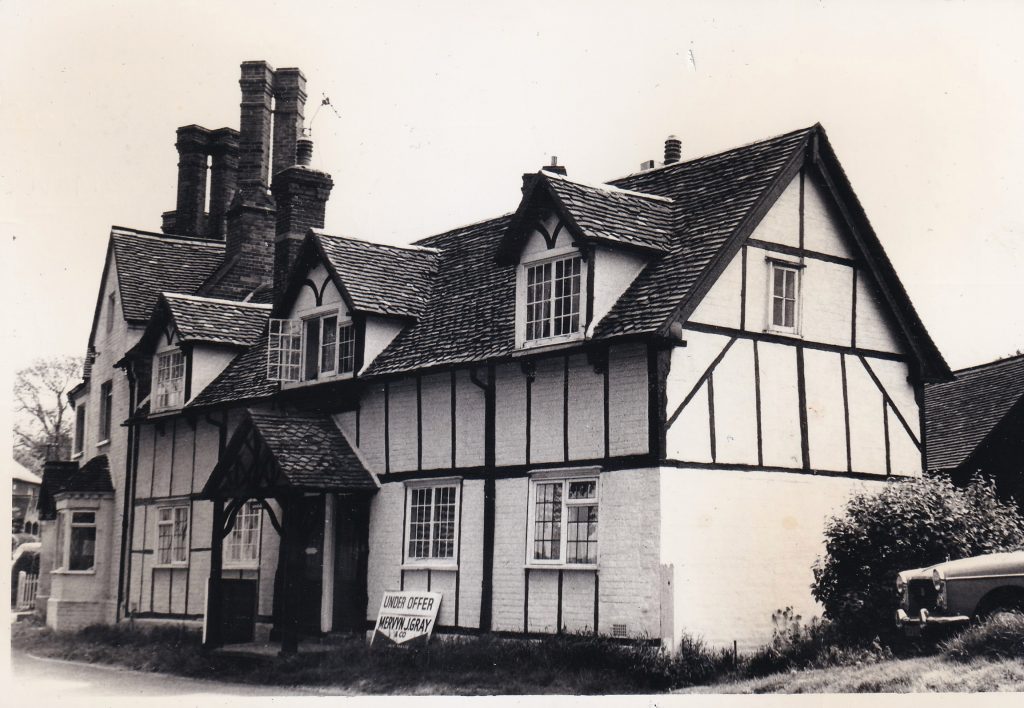
The Lodge
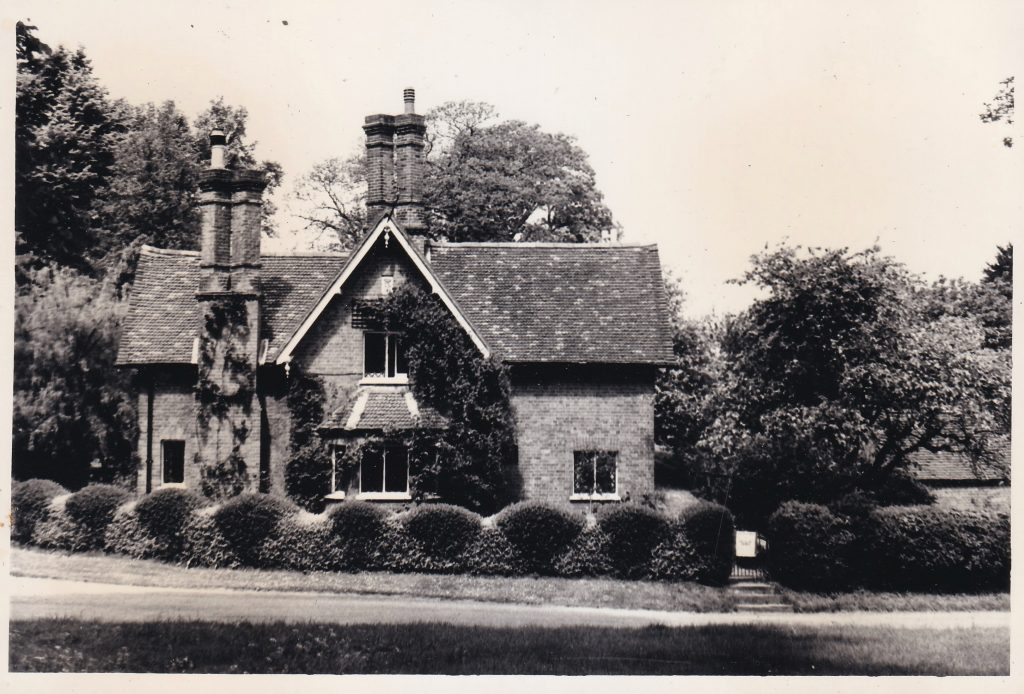
The Lodge was built on the site of the Old Goat – a medieval Inn that served travellers and villagers up until about 1820. Used by the crown courtiers during royal visits, it was also believed to be the location that started the outbreak of the plague that took 14 lives in 1603 due to the arrival of a traveller.
St Michael’s Church
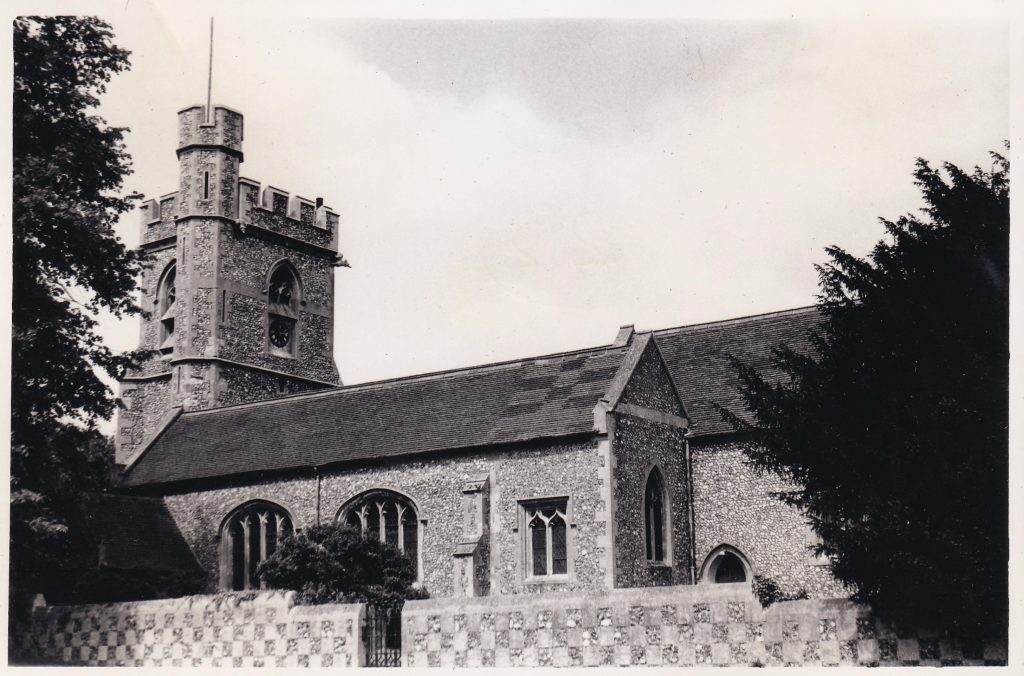
The church at Chenies, dedicated to St Michael, stands to the east of Chenies Manor. It is first mentioned in 1232, although elements of the current building date to the 12th century when John de Chednuit was appointed the first rector, including a carved font.
The 12th century Church was later replaced by the stone and flint building that we have today. It was built at the end of the 15th and the beginning of the 16th Century by Sir David Phelip, husband of Dame Agnes Cheyne.
The Bedford Chapel
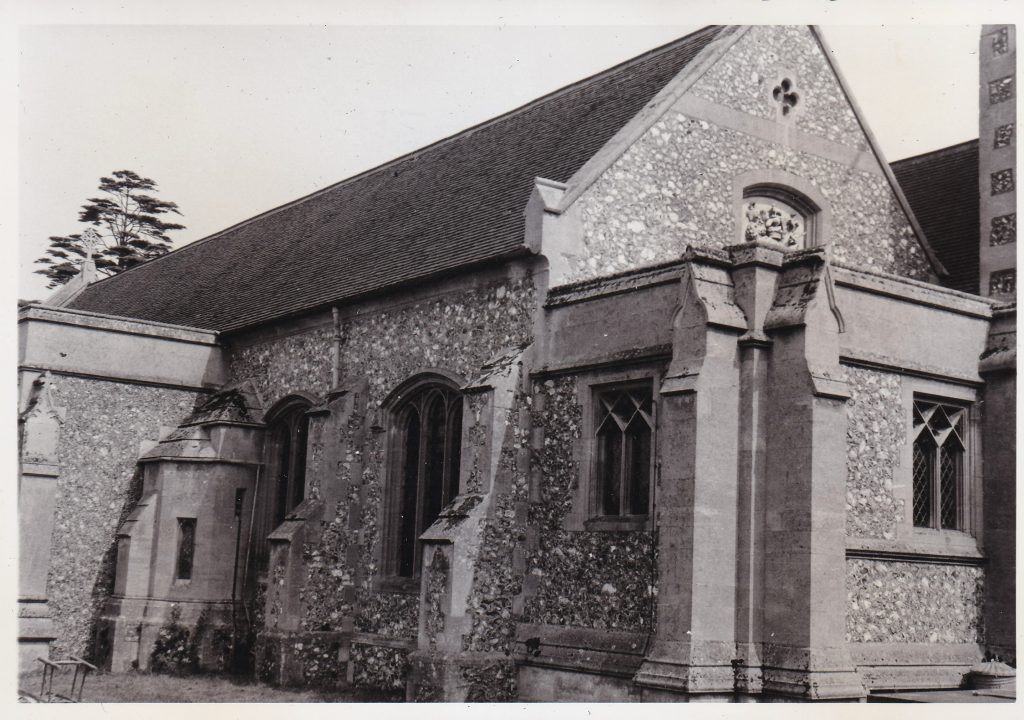
The Bedford chapel was built in 1556 by Anne, Countess of Bedford, widow of Sir John Russell who was created the First Earl of Bedford.
The chapel forms the whole of the north aisle of the church and is the private mausoleum of the Earls and Dukes of Bedford and their families. The chapel is not open to the public or the congregation.
The Platts
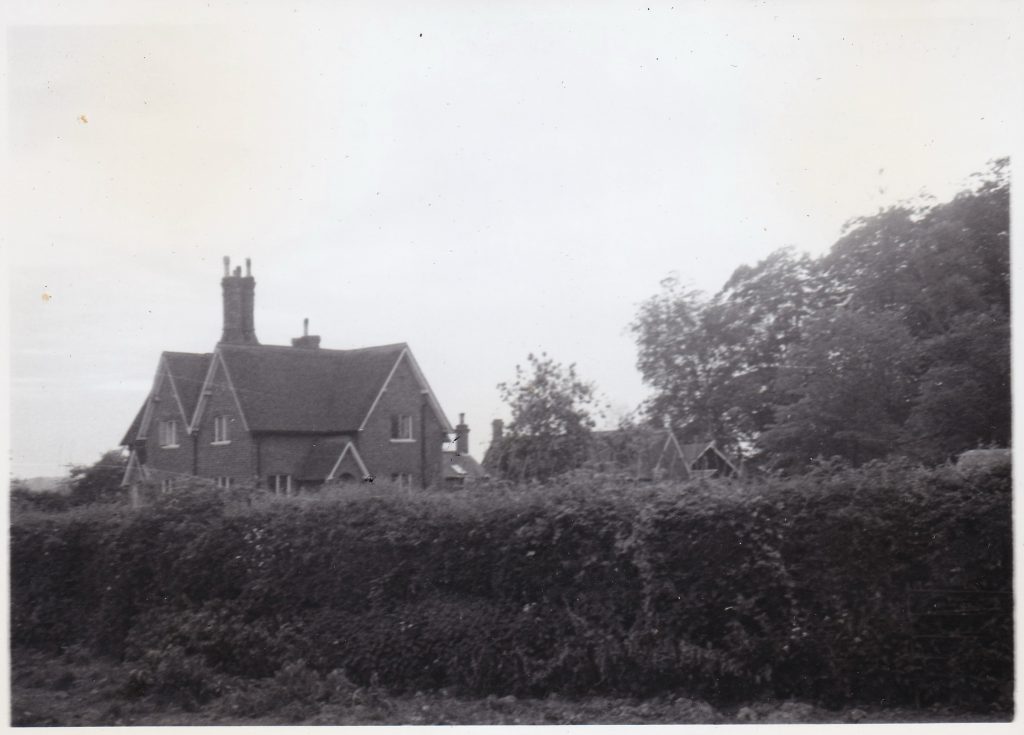
In 1840, an orphanage was established here close to the (old) cricket ground. Rations were poor, and a good meal only had when the Duke visited, but the ‘education was good and jobs found for all’. Later it was converted into these three cottages.
The doors, which were built in the Rev. Wriothesley Russell’s time, were unusual. The front doors of the two end cottages were at the sides, and the middle on it’s own to prevent gossiping.
Whitehill Cottage
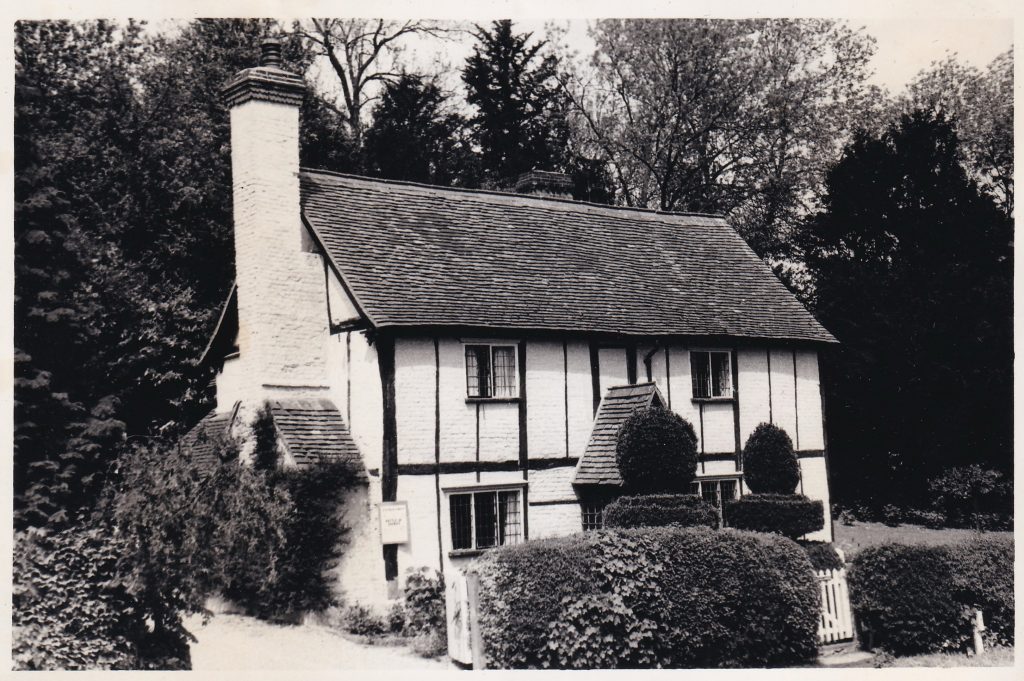
One of the best examples of timber and brick built tudor architecture in the village, other than the Manor House. The roof is tiled, and the brickwork is white. The Arnold family were tailors that lived for generations at Whitehill Cottage, so that it eventually became known as “Arnolds”.
Hillside Cottage
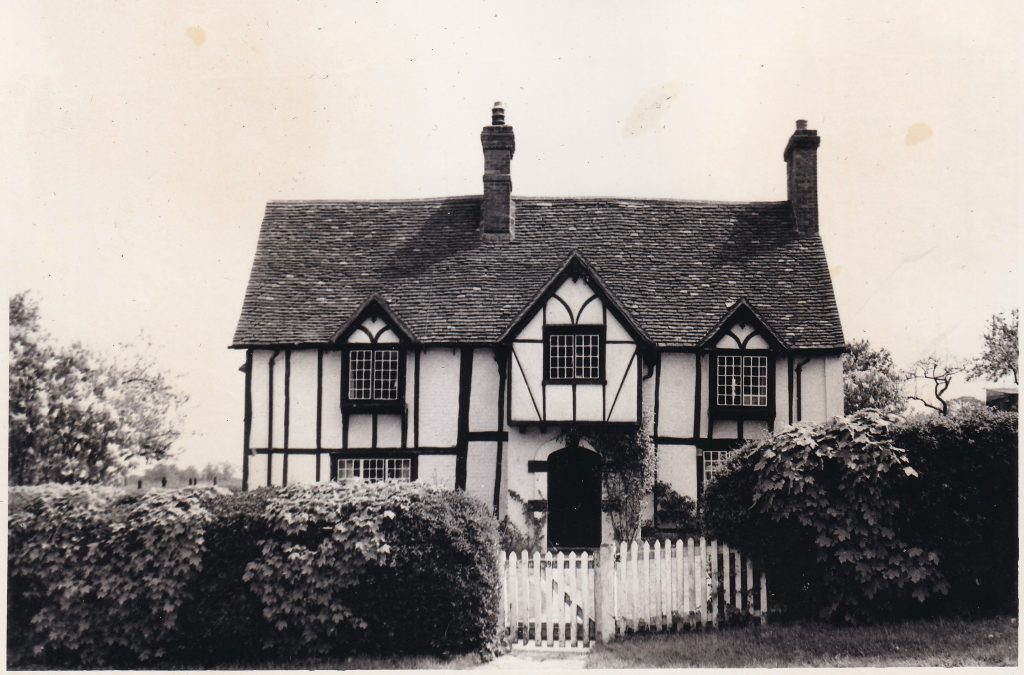
In 1802, Hillside, then called Port’s Farm, was described as ‘a brick and timber building, tiled, of old construction but in good repair. It had two barns, one thatched and one tiled. A cowhouse, carthouse and pigsties were of timber and thatch‘. In c.1821 the farm was rented by Samuel Clarke (II), previously a wheelwright located where Nos 8-11 are now.
The Court House
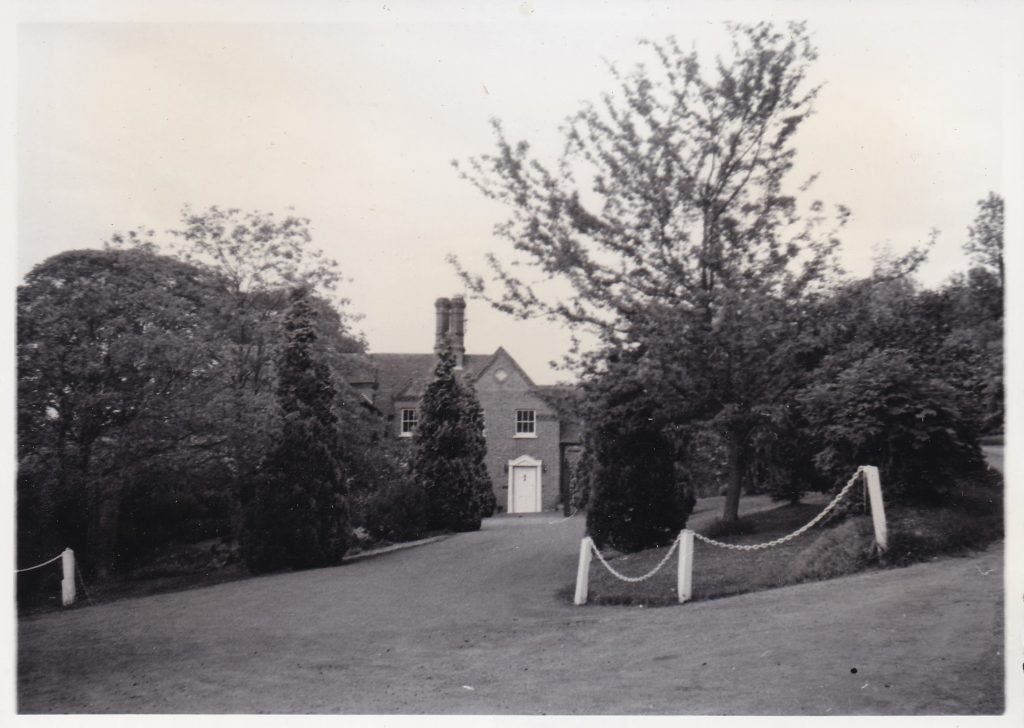
Built in 1894 to be a stable and carriage house for the Dowager Duchess as part of the larger property Woodside House. The house still features a walled garden that was installed for the Dowager which grew fruit and vegetables. It became a separate residence when the property was sold in 1954.
Chenies Place
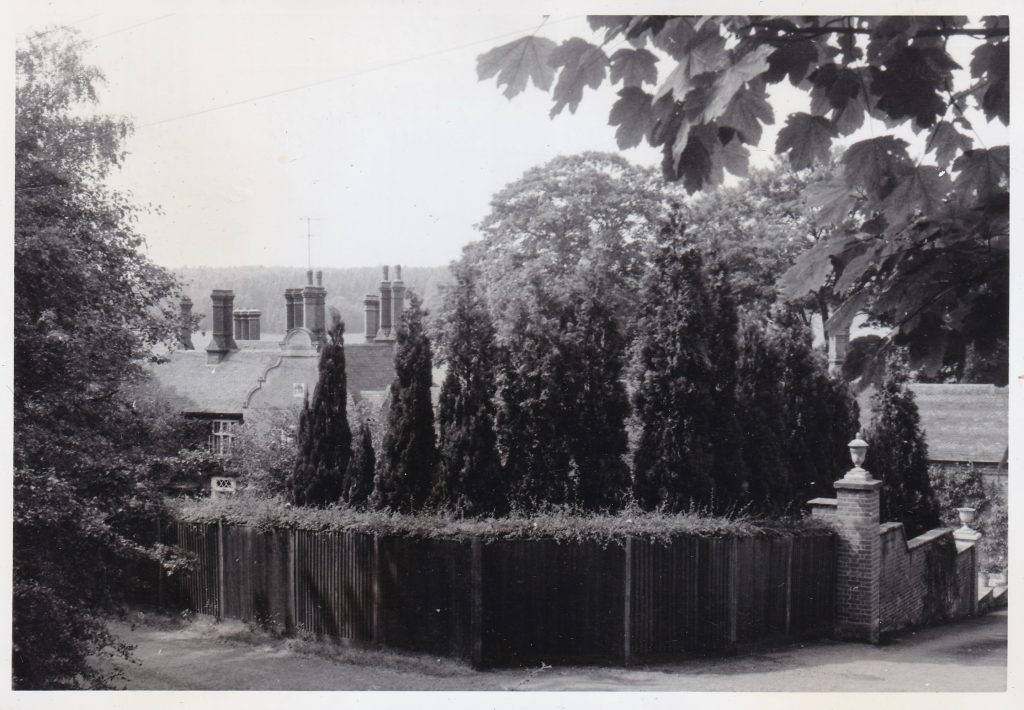
Once a part of Woodside House, and lived in by the Dowager Duchess Adeline Russell, this property includes much of the original garden designed and created by Lutyens and Jekyll.
Mill Farm
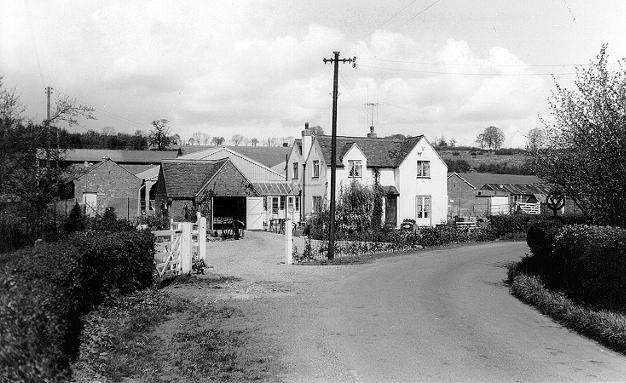
The Old Swimming Pool
Built in 1914, the swimming baths were in a meadow near the Chess
Betty Healing remembers: “The pool was pool was an antiquated corrugated iron building set on the river bank by Chenies Mill, it had twelve changing rooms each with a wooden seat and a door that neither reached top or bottom. Fed from the river it was always murky … The pool was demolished at the time of the second world war probably to help the war effort.”
A photograph of the baths can be viewed here.
The Pightle
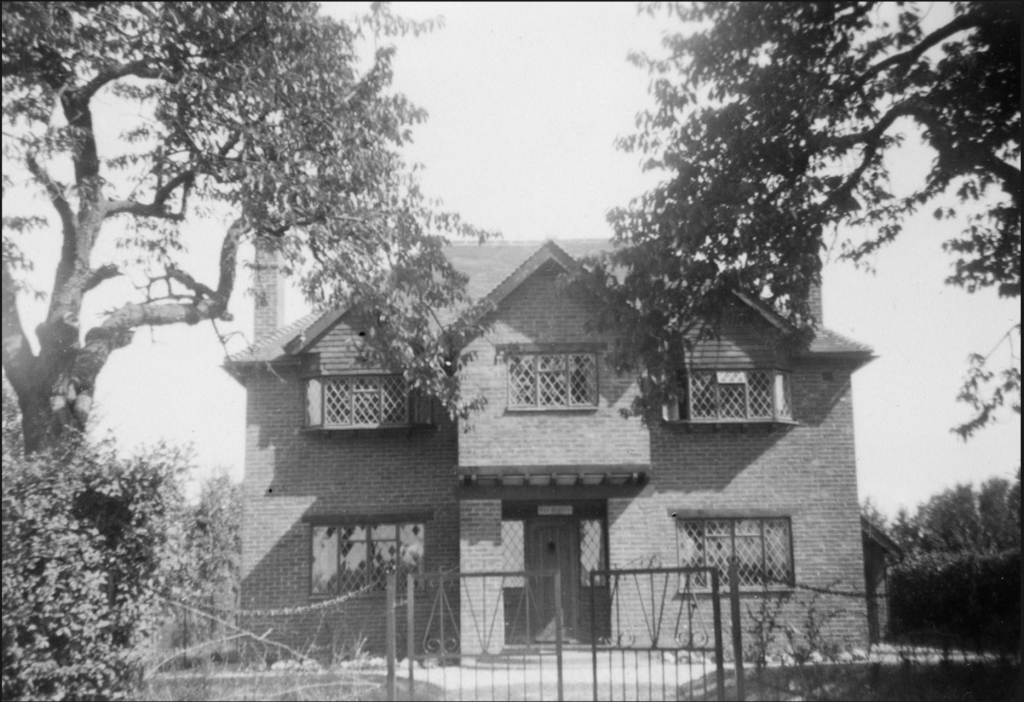
The Pightle was built by Ted Life in 1951, after he and his wife Emilie Life moved out of the schoolhouse on her retirement as headteacher.
One of the unique features of the Pightle is its commemoration of Emilie’s relationship with the village school. Each pupil personally laid a brick in the front wall of the house bearing their name.
Claypit Cottages (62-63)
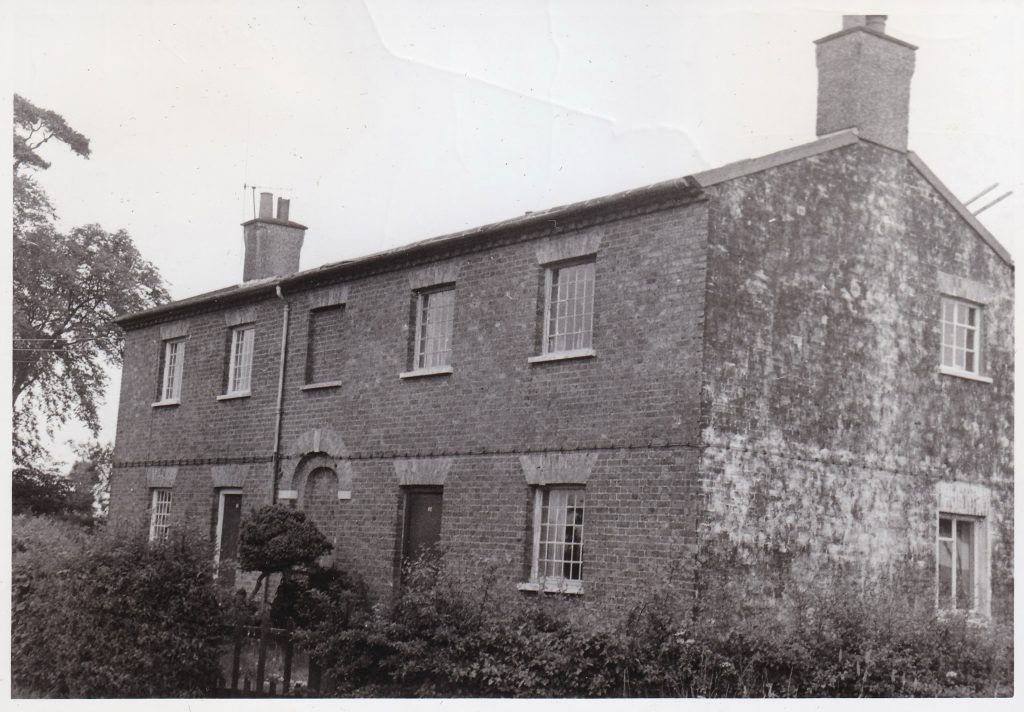
The bricks used to build the fireplaces in the manor were dug from a nearby field and are typical of that period, thin, and laid with blue diaper patterns at some points. This field gives its name to these cottages.
Memories of Frank Smith, early 1900’s, from The Changing Face of the Village J W Howie:
Previously called “Claypits Cottages” and were believed to have been occupied many years ago as a “Rest Housc”, the entrance of which was under the arch in the middle of the building and is now bricked up.
Roadside Milepost
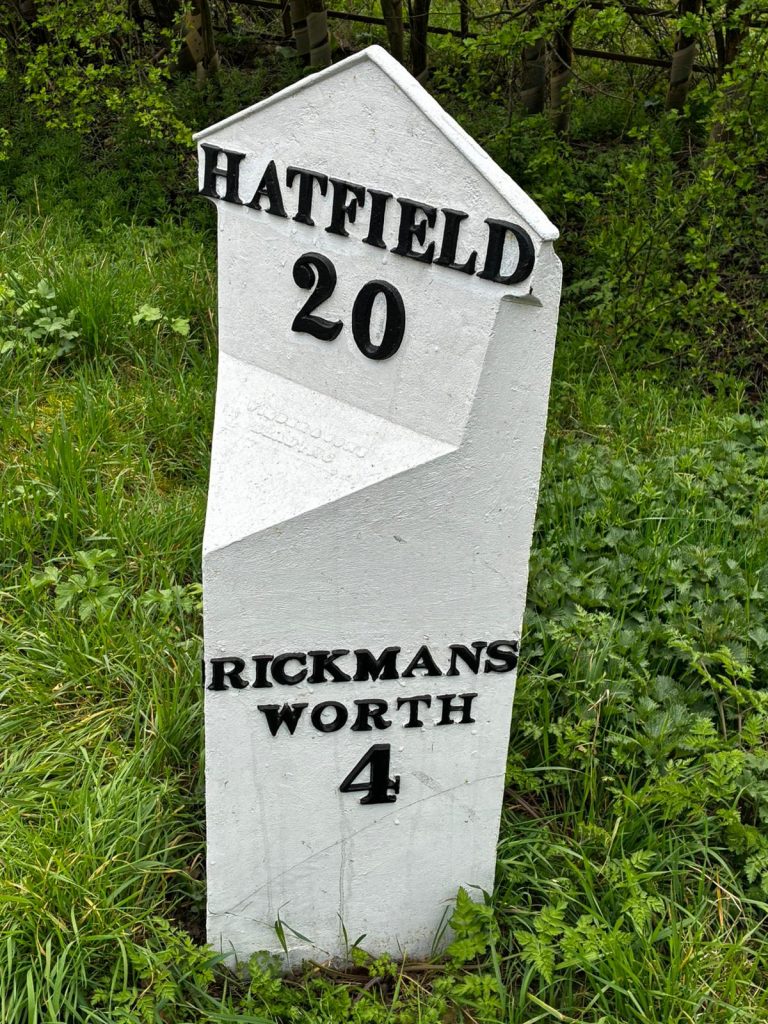
The Chenies Milepost is a significant historical marker located approximately 30 meters south of Chenies Village. It is a painted cast iron milepost with a triangular base, inscribed with the names of nearby towns and villages. The inscription includes ‘Hatfield 20’, ‘Amersham 4’, ‘Reading 30’, and ‘Rickmansworth 4’, indicating the route’s importance in the historical context of the area. The milepost is situated on the old Hatfield to Reading Turnpike Road and is listed as Grade II in England’s National Heritage List for its architectural and historic interest. Historic England
The milepost’s inscription and location reflect the historical significance of the route, which was part of the gout route to Bath. The milepost’s design and placement are indicative of the time, with thin stones and later cast iron posts being used for milestones. The milepost’s presence in the village and its inscription provide a tangible link to the past, showcasing the village’s historical importance and its role in the transportation of goods and people. Buckinghamshire Council
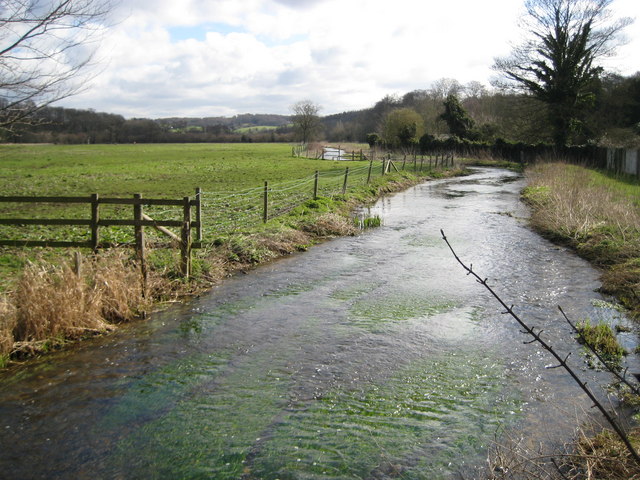
River Chess
Watercress Beds
During the early part of this Century, up until 1959, Chenies was noted for its watercress. This was grown in spring water in beds along the Chess Valley beside the river itself.
The exact location of the Chenies Watercress Beds is unknown, though they were likely to be near a ford. The late 19th century maps mark beds near to Latimer and Sarratt, but there are none marked in between.
The Liberty Tomb
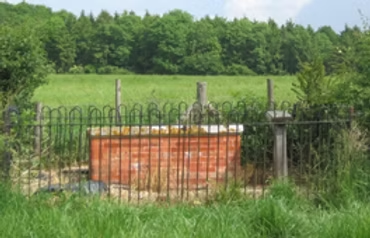
Adjacent to the Chess Valley footpath (Mill Farm to Latimer) is the tomb of William Liberty who died in 1777. A relative of the family of Liberty’s of Regent Street, London, he wished to be buried alone and near his mansion on the hill of which nothing remains.
Green Street
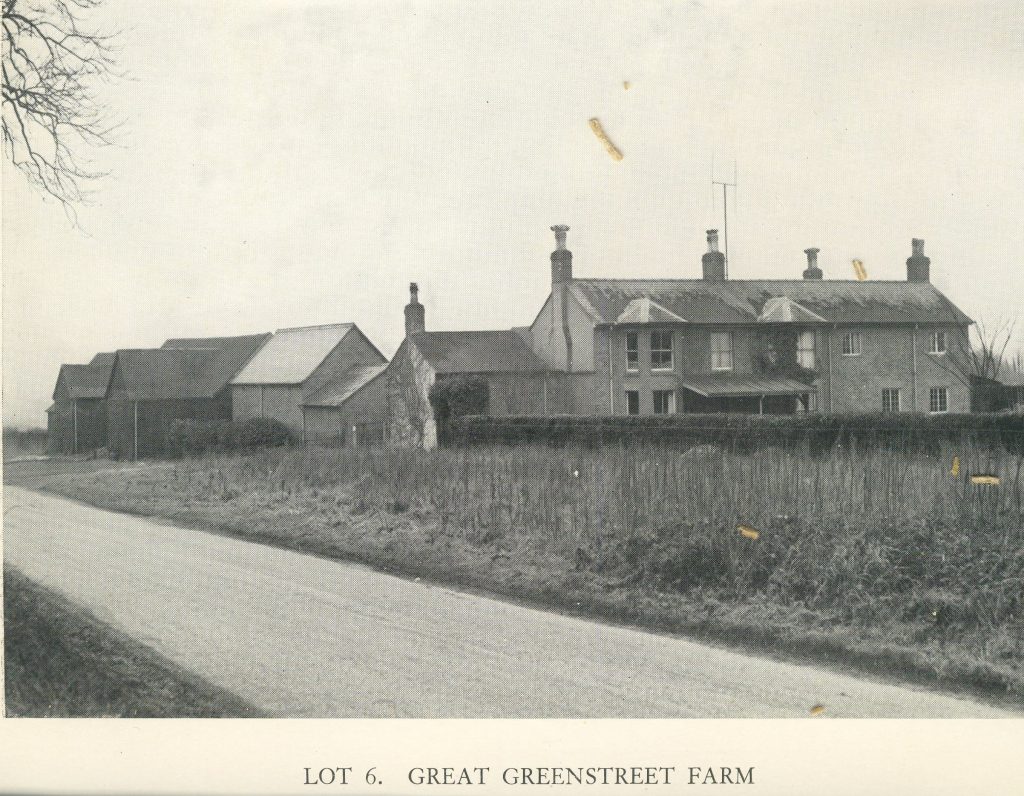
Green street was used as a meeting place for the Baptists in the area before the building of the Baptist Chapel in 1778, and the location of both Little and Great Green Street Farms
Chesscroft (number 58)
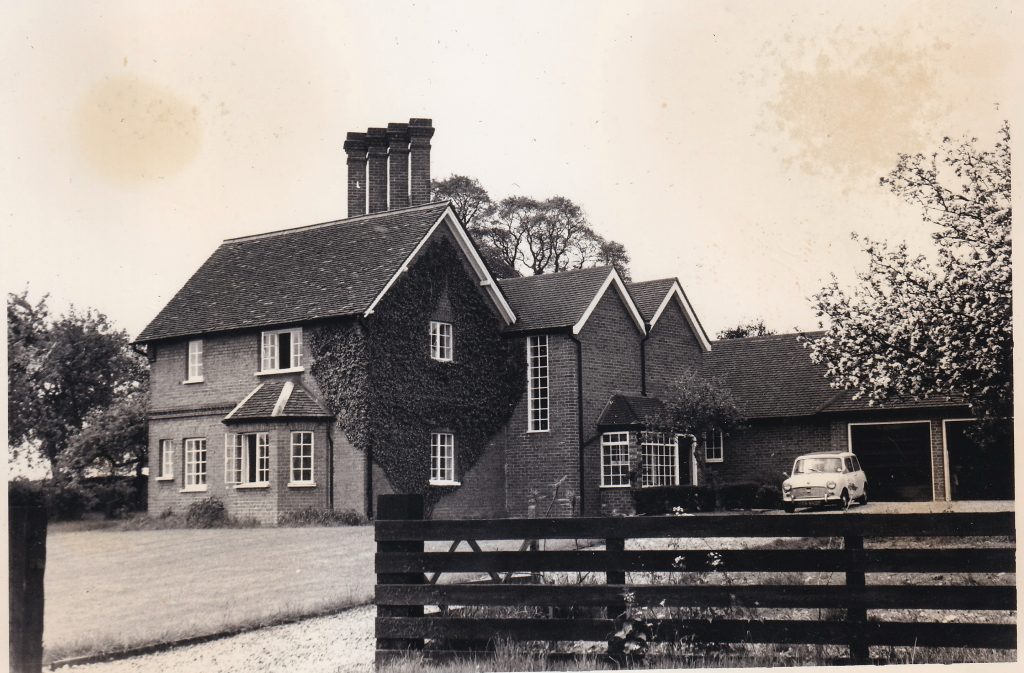
Memories of Frank Smith, early 1900’s, from The Changing Face of the Village J W Howie:
Mr. Salmon the baker lived here from 1905 to 1972. He served teas in summer in the front room and in the garden. He made bread (naturally). jam, lettuces (grown). milk and eggs (produced) – he oniy had to buy tea and sugar. It was a very pleasant walk across Chorleywood Common from the station – they were lovely teas.
Numbers 8-11
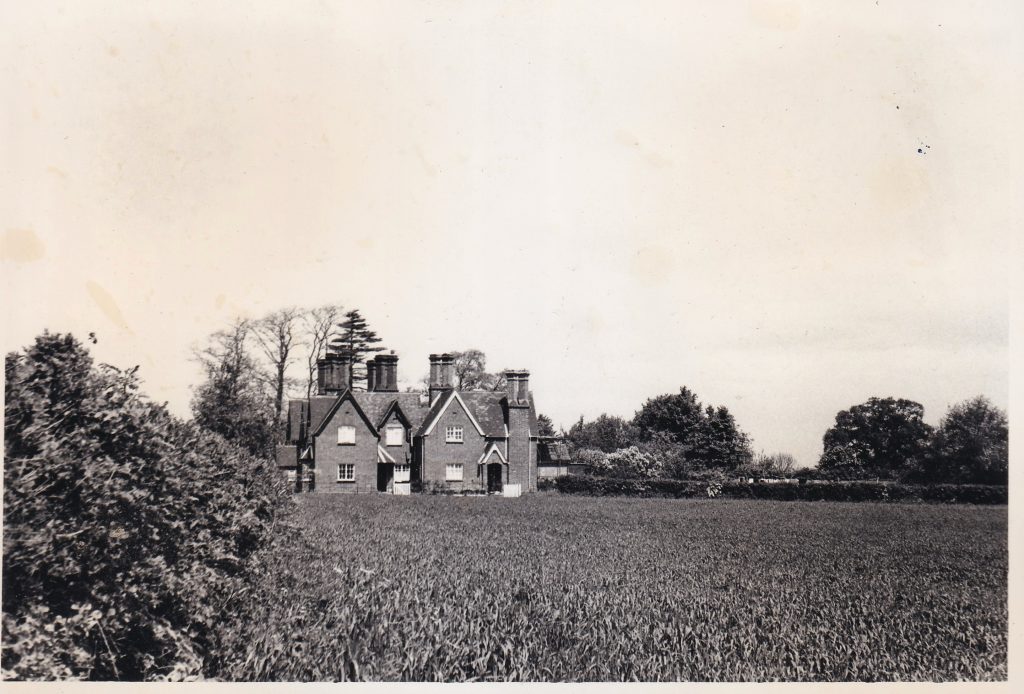
Memories of Frank Smith, early 1900’s, from The Changing Face of the Village J W Howie:
These four cottages were the last to be built by the Duke of Bedford in 1867.
Photo: Mrs Puddephatt stands before No 9, New Cottages. The Bedford coronet marks the date of the building, 1867. From the collection of Rose Maling. Used with kind permission from Carolyn Birch.
Number 53
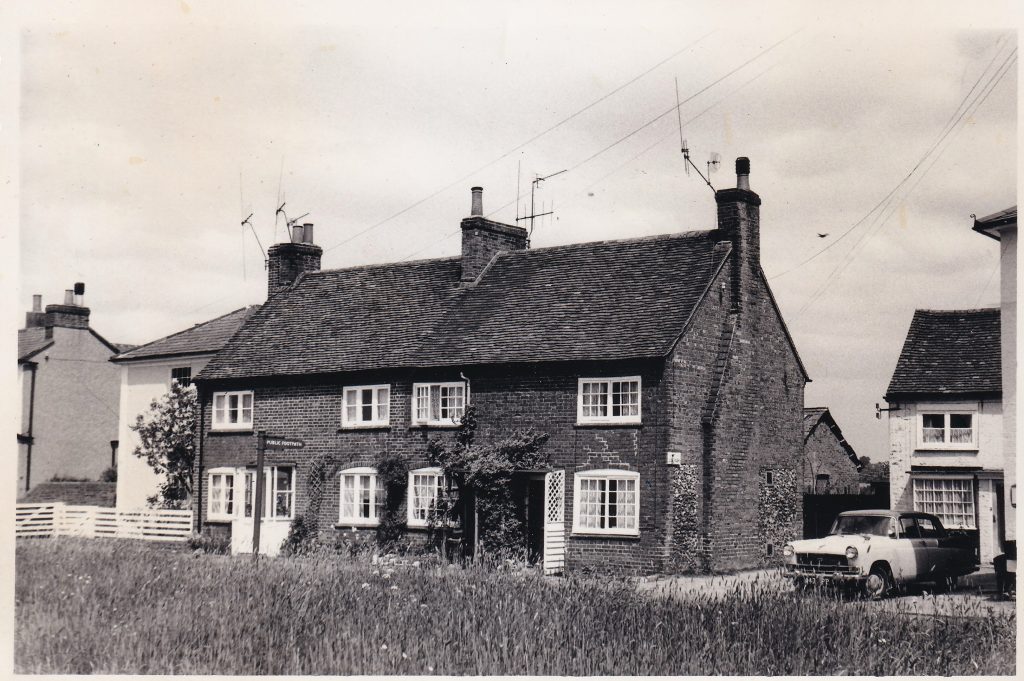
Left-most cottage.
Memories of Frank Smith, early 1900’s, from The Changing Face of the Village J W Howie:
I moved here when 1 was married in December 1932. It had a front and back room with kitchen at the rear; upstairs there were two bedrooms; stairs led down to the cellar: the loo was outside.
Number 28
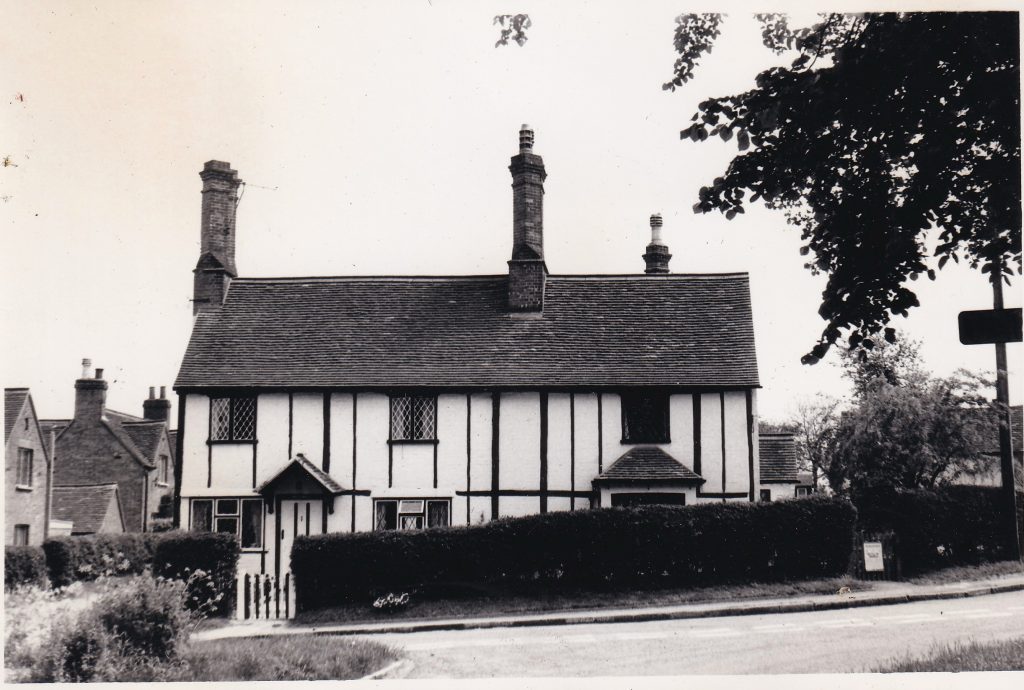
Memories of Frank Smith, early 1900’s, from The Changing Face of the Village J W Howie:
The blacksmith’s cottage which was occupied by Mr. Owl who was also the grave digger as he had the right name! He was unfortunately rather deal but his eyesight was good otherwise he could not have worked as a blacksmith – or been an owl! The foundry is the long brick building at the rear which still has the old forge chimney.
Number 41
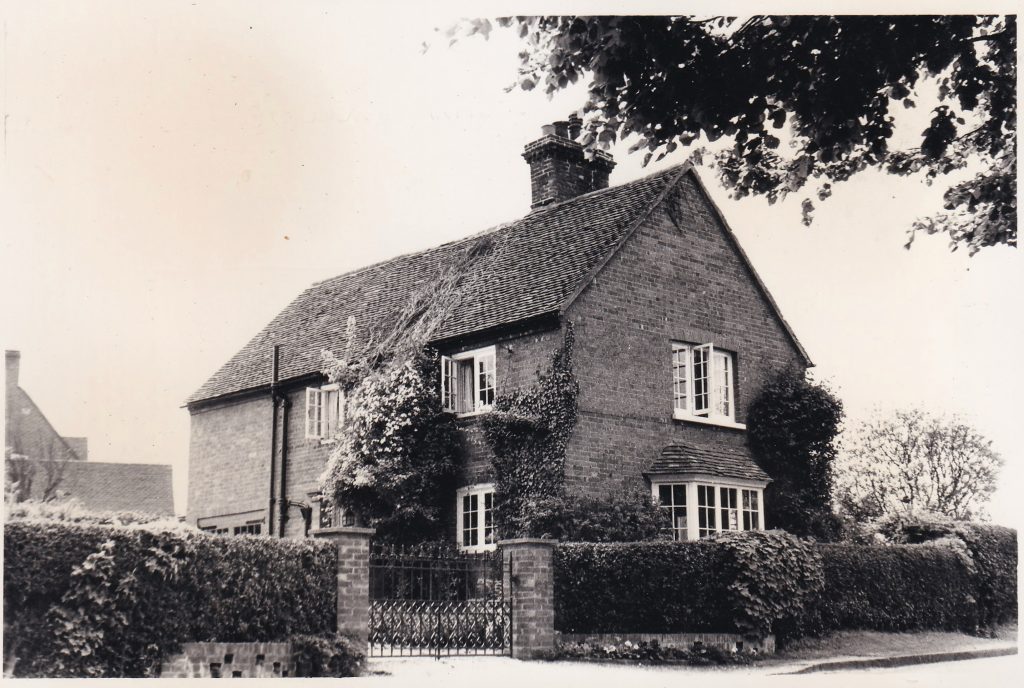
Frank Smith recalls of the early 1900’s ‘This used to be occupied by Mr. Kelly (Kilby?) the butler to Miss Russell‘.
Rose Maling remembers ‘Mr. Kilby at No. 41 had a smallholding and kept a pony and trap‘.
No. 1 Keepers Cottage
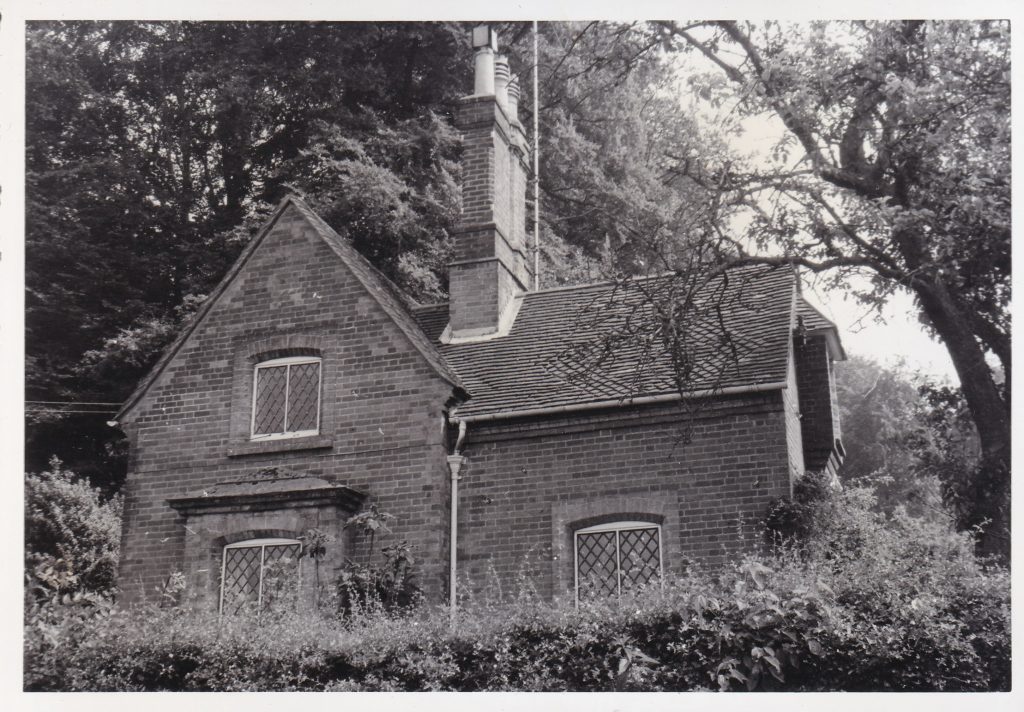
The gamekeepers cottage was built in 1868, and sometimes referred to as ‘The House in the Wood’. On the door is a metal plaque, with this message inscribed: ‘Take notice that from this date poachers will be shot on sight, and if practicable, questioned afterwards‘, signed the Duke of Grumby, Nov. 1sst 1868.
“The River keeper, Mr. King lived in the cottage at the corner of the wood and we would always look carefully to see if he was in sight when we went wooding, not that he would say anything to us, but he and Mr. Macgregor were always regarded with awe by the children“. Rose Maling
George King was the game and riverkeeper for the Chenies Estate at the turn of the century. He lived in Keepers Cottage along with his wife, Mary (née Simpson), and his seven children. All of his sons served during World War I in some capcity or another, and his daughter served in the Red Cross. His son Edward Lancelot King died of pneumonia on the Ist January 1919 and was buried in the Cairo War Memorial Cemetery.
In 1967, a tractor ran out
Nos. 2-7
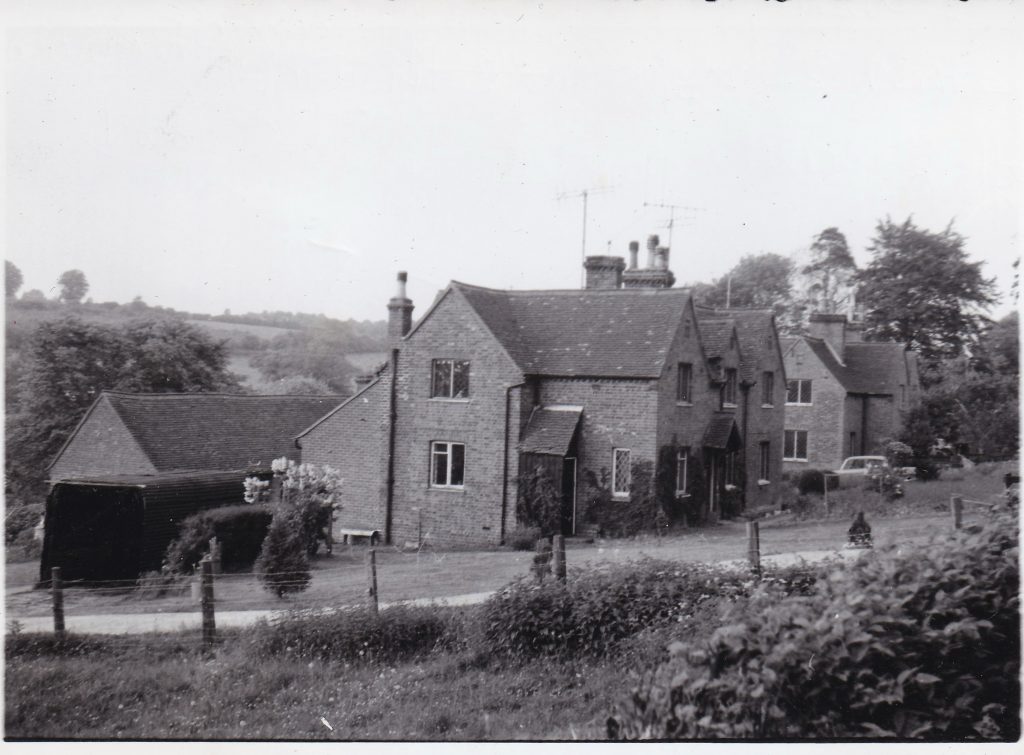
Built between 1852-3 to replace earlier cottages that stood nearer the river, recorded in the 1735 survey as timber framed brick cottages, with tiled roofs. It was mentioned in two late 17th century leases as ‘The Doghouse’ and the tenant in 1735 was Nathaniel Grover. These two blocks of cottages were extended towards each other in the 1970’s.
We have also been adding content behind the scenes, and you will now find additional pages in the drop down menu including Chenies At War, The Old Goat and additional content for the Red Lion and the Bedford Arms.
Leave a Reply